

Introduction
August is the quiet hinge of the year. The garden is still full, the evenings are still light, and your home has just come through months of sun, sudden downpours and open windows. A little august home maintenance now catches small jobs while the weather is kind, instead of leaving them to become cold, wet problems in October.
Most take under an hour, and many need only a bucket, a brush, or a notebook for jobs you will book in.
If your outdoor space needs attention first, these ideas to maximize small backyard space pair well with the garden jobs below. In this guide you will find 20 practical tasks, each with a short checklist and a simple tip, so you can work through August one calm job at a time.
1) August Home Maintenance Starts With a Gutter Check
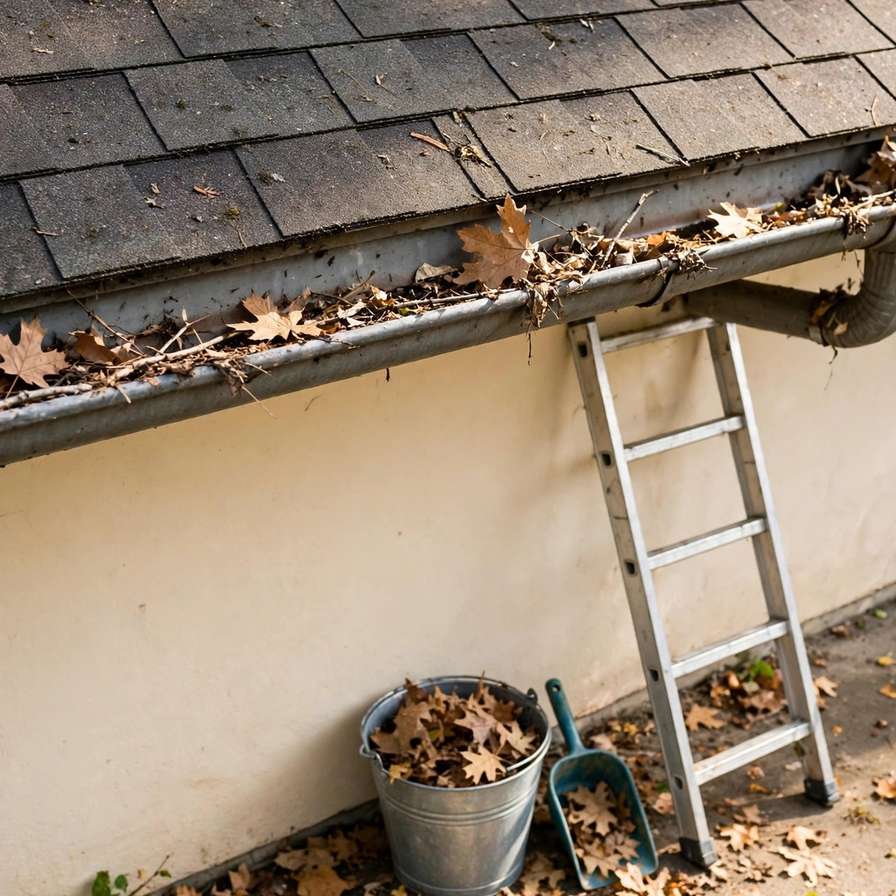
Summer storms wash leaves, moss and grit into gutters long before autumn adds its own load. A gutter already half full in August will overflow at the first heavy autumn rain, soaking walls and paths below. Work safely from a secure ladder, and hand this one to a professional if heights are not for you.
What to check:
- Scoop out leaves, moss and grit
- Look for sagging sections or loose brackets
- Check joints for drips after a hose rinse
Tip: photograph any damage from the ground afterwards, so you can show it clearly if you book a repair.
2) Clear Downpipes and Drainage Channels
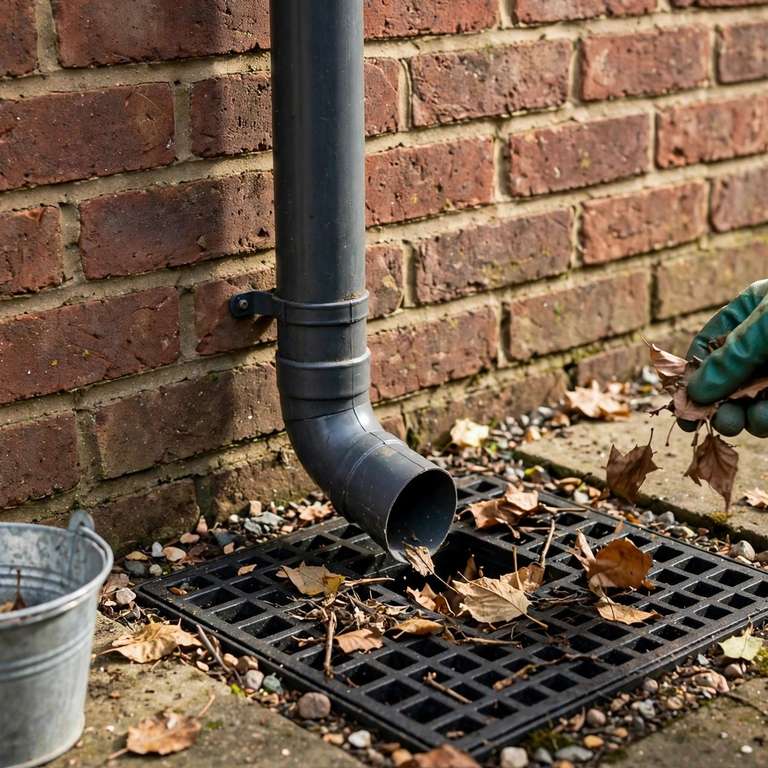
A clear gutter means little if the downpipe below it is blocked. Run water gently from the top and watch where it comes out: slow flow, bubbling or water backing up at a joint all point to a partial blockage worth clearing while the ground is still dry.
What to check:
- Lift grates and scoop out silt and leaves
- Watch the flow from a gentle hose test
- Check downpipe joints for leaks
Tip: clear drainage channels along paths too, so autumn rain has somewhere to go.
3) Give the Roof and Chimney a Ground-Level Glance

You do not need to climb onto a roof to give it an August once-over. From the garden, with binoculars if you have them, you can spot the obvious early warnings while any follow-up repair is still easy to arrange.
What to look for:
- Slipped, cracked or missing tiles
- Heavy moss patches holding moisture
- Gaps around chimney flashing
Tip: any roof or chimney repair belongs with a qualified roofer — your job is simply to spot and report it early.
4) Wash and Inspect the Deck or Patio
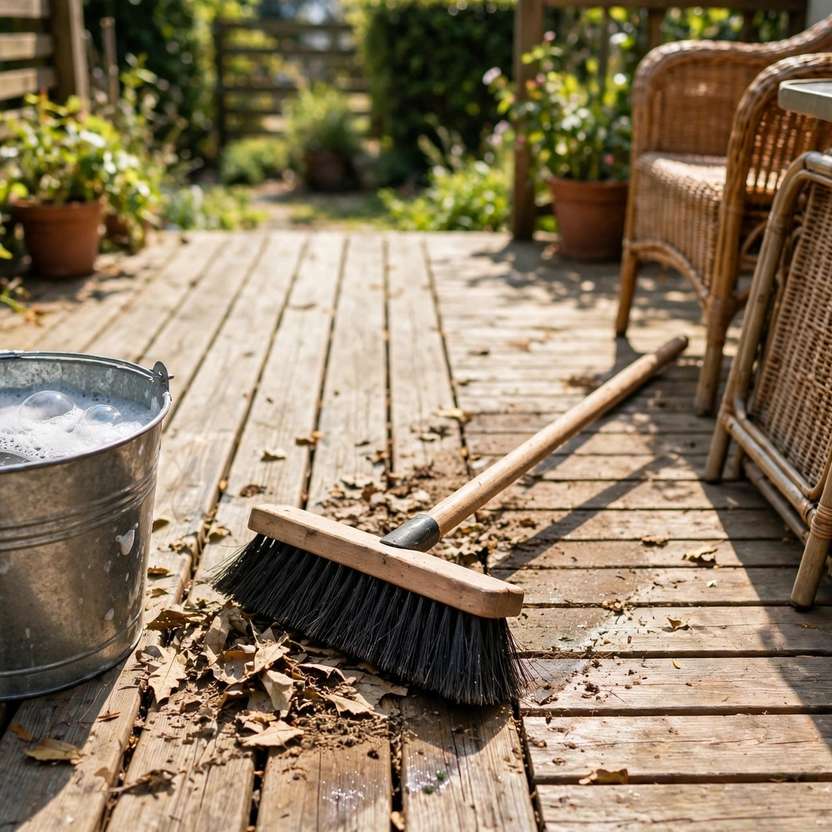
Months of barbecues, pollen and foot traffic leave decking and patio slabs dull, and sometimes slippery in shaded corners. Sweep first, then scrub a small area at a time with a stiff brush and plain soapy water. As you go, feel for damage the dirt was hiding.
What to check:
- Split, lifting or springy deck boards
- Cracked or rocking patio slabs
- Green slippery patches in shaded corners
Tip: let everything dry fully before judging the colour — wet timber always looks darker than it is.
5) Prep Outdoor Wood for Autumn Weather
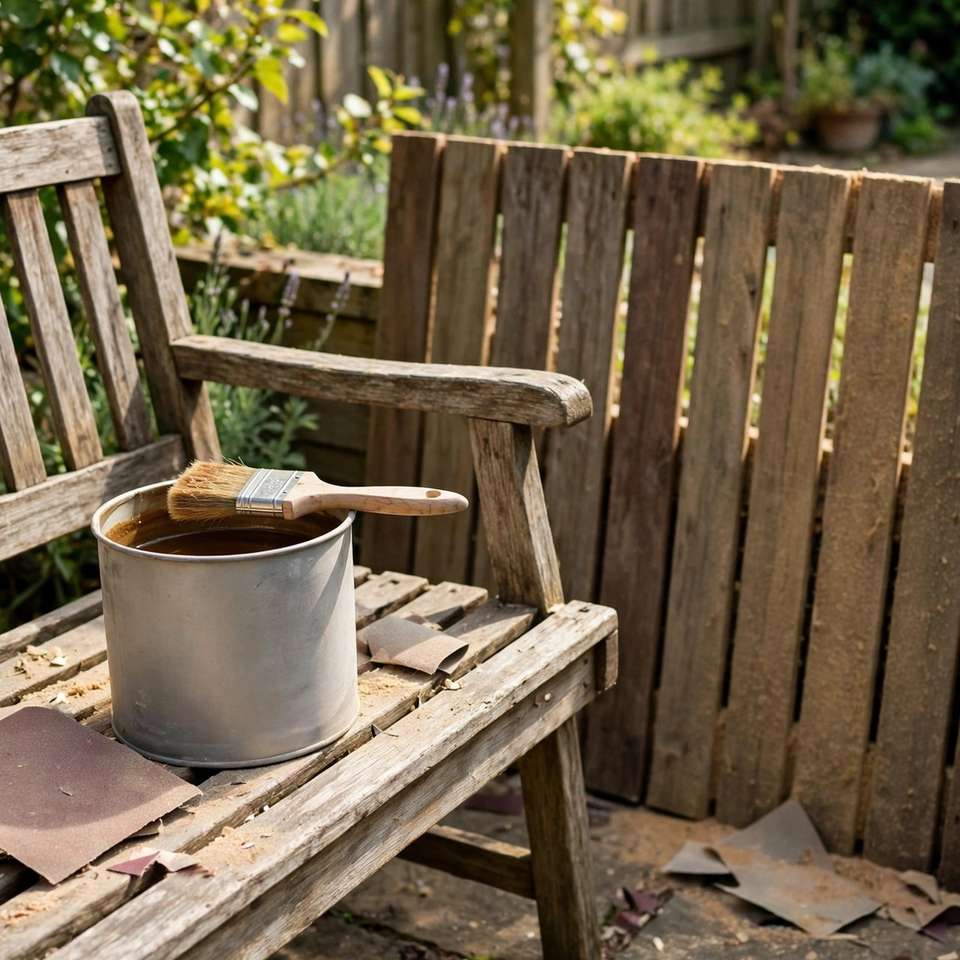
Once decking, fences and garden furniture are clean and dry, August warmth gives you the best window to prepare outdoor wood for the wet months. Preparation matters more than the finish itself: a clean, dry, lightly sanded surface takes any protective treatment far better.
How to prep it:
- Brush off loose, flaking finish
- Sand rough or splintered patches smooth
- Let wood dry fully after washing
Tip: work on a dry, still day, and keep it small — one bench or one fence run at a time is plenty.
6) Give the Lawn Gentle Late-Summer Care
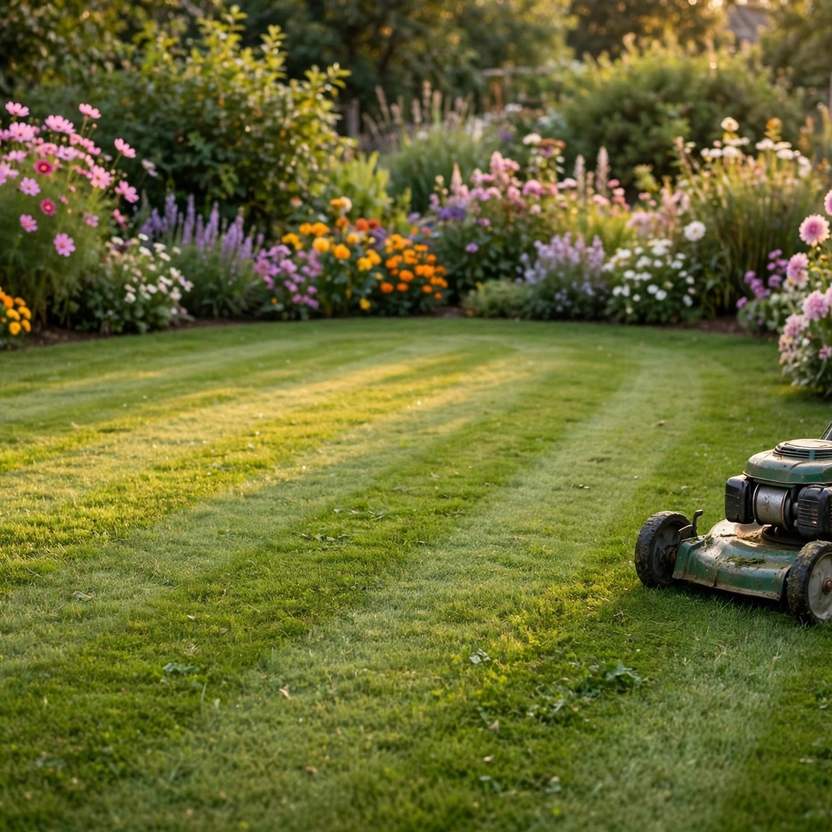
A lawn in August does not need drama; it needs kindness. Heat and holiday foot traffic leave it tired, and gentle, regular care now helps it recover strongly as cooler, wetter weeks arrive and growth picks up again.
Gentle care checklist:
- Raise the mowing height a notch
- Leave fine clippings to feed the soil
- Clear fallen fruit, toys and leaves promptly
Tip: avoid feeding or seeding in a hot, dry week — wait for cooler weather and rain in the forecast.
7) Trim Hedges, Shrubs and Climbers Back Neatly
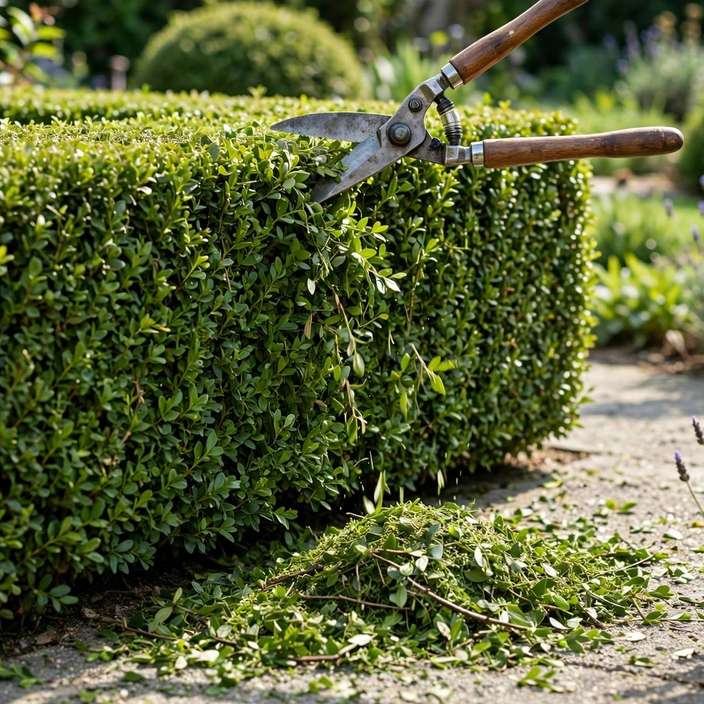
Late summer growth leaves hedges and climbers shaggy, leaning over paths, windows and gutters. A tidy August trim keeps shapes neat and stops stems rubbing on walls and paintwork through autumn winds. Before you cut, check carefully for active birds’ nests and leave that section alone if you find one.
What to trim:
- Straggly hedge tops and sides
- Climbers creeping over windows and gutters
- Shrubs blocking paths, gates or bins
Tip: stand back every few minutes — neat lines come from checking, not from cutting faster.
8) Touch Up Exterior Paint While It Is Dry
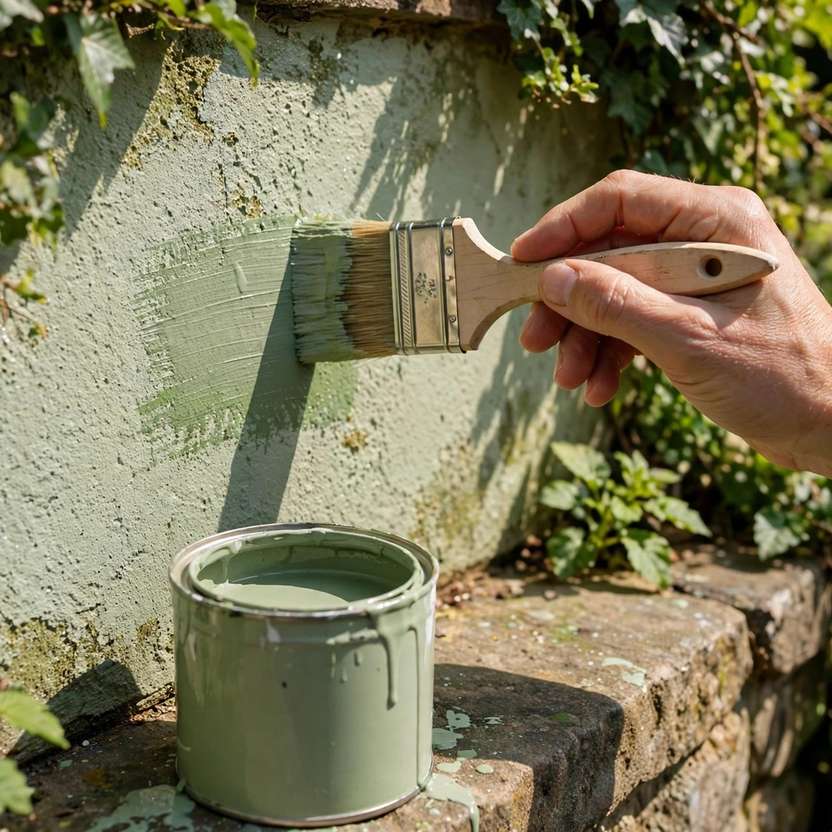
Dry August days are your best chance to fix the small paint failures that let water in all winter. A blistered windowsill, a peeling gate or a cracked spot on render is a quick job now and a bigger repair later. Scrape back only what is loose, sand the edges smooth, and let bare areas dry before you paint.
Where to look:
- Windowsills and door frame bottoms
- Gates, fences and painted garden walls
- Blisters or cracks on render
Tip: note the paint colours you use in a notebook by the door — future you will be grateful.
9) Check Window and Door Seals All Round

Seals work quietly until they fail, then they let in draughts and rain exactly where you least want them. Walk slowly round every window and outside door, pressing rubber gaskets to feel for brittleness and looking along sealant lines for cracks, gaps or shrinkage.
What to check:
- Cracked or shrinking sealant lines
- Brittle or flattened rubber gaskets
- Draughts felt on a breezy day
Tip: note any window that steams up between its panes and ask a glazing professional for advice — that one is not a DIY fix.
10) Clean Windows, Frames and Sills

Clean glass is not just about the view. Washing frames and sills clears the algae, dust and webs that hold moisture against seals and paintwork, and shows you any small crack or stiff hinge you missed earlier. A cloudy-bright day is best, so soapy water does not dry in streaks.
How to do it well:
- Wash frames and sills before the glass
- Use warm soapy water and a soft cloth
- Dry edges for a streak-free finish
Tip: a soft brush clears sill corners, where dirt gathers and paint always fails first.
11) Test Outdoor Lighting Before Darker Evenings

August evenings are still long, which makes this the perfect low-pressure moment to check the lights you will rely on in October. Wait for dusk, walk the whole route you use after dark, and clean covers and solar panels as you go — grime alone can dim a light noticeably.
What to test:
- Porch, path and step lights working
- Solar lights cleaned and in the sun
- Motion-sensor lights triggering properly
Tip: any wiring fault or new fitting is a job for a qualified electrician — testing and cleaning are yours, wiring is not.
12) Check Fences, Gates and Latches
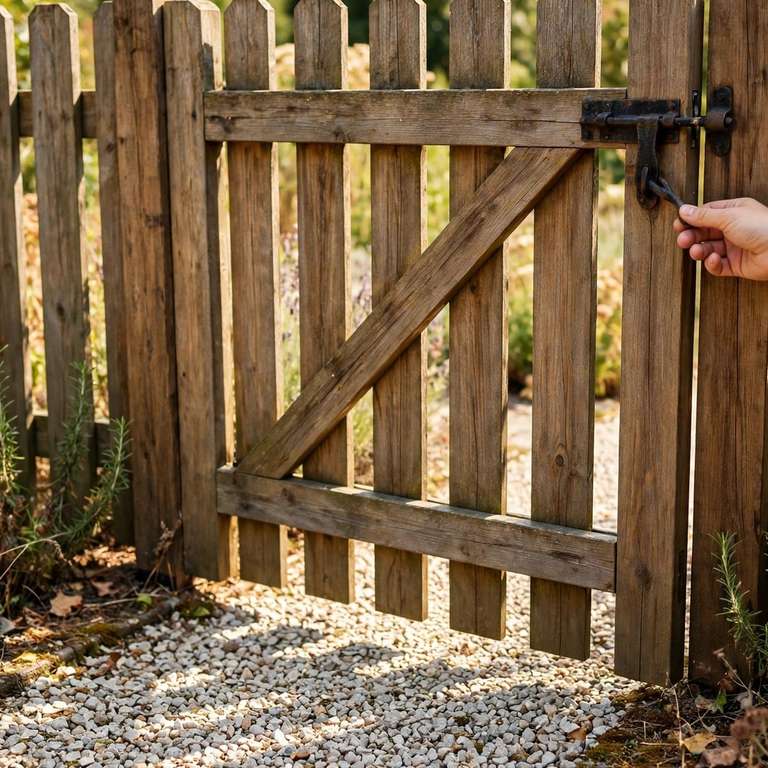
Fences rarely fail in summer; they fail in the first autumn storm, at the post that was already wobbling in August. A firm push on every post and panel tells you which ones need attention while the ground is dry. Check gates too — one that has dropped and scrapes will only get worse.
What to check:
- Posts that wobble when pushed
- Panels with loose or split boards
- Gates that drop, scrape or swing
Tip: a wobbly post is often a small job in August and a whole new panel run after a storm.
13) Sweep Paths, Steps and the Driveway Clear
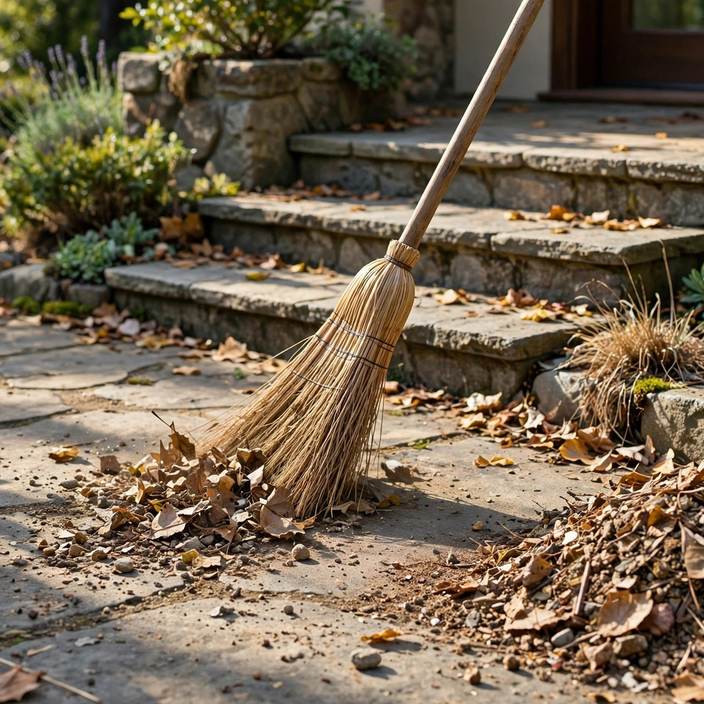
It sounds too simple to count as maintenance, but swept paths are safer paths. Grit, moss and early fallen leaves turn steps slippery, and a deep August sweep also reveals cracks, loose slabs and blocked drainage you would otherwise miss. Pull weeds from joints while they are still small.
What to clear:
- Moss starting in shaded corners
- Weeds sprouting in paving joints
- Soil and gravel creeping over edges
Tip: after sweeping, look again with fresh eyes — one raised slab suddenly stands out on a tidy path.
14) Tidy the Shed and Service Garden Tools
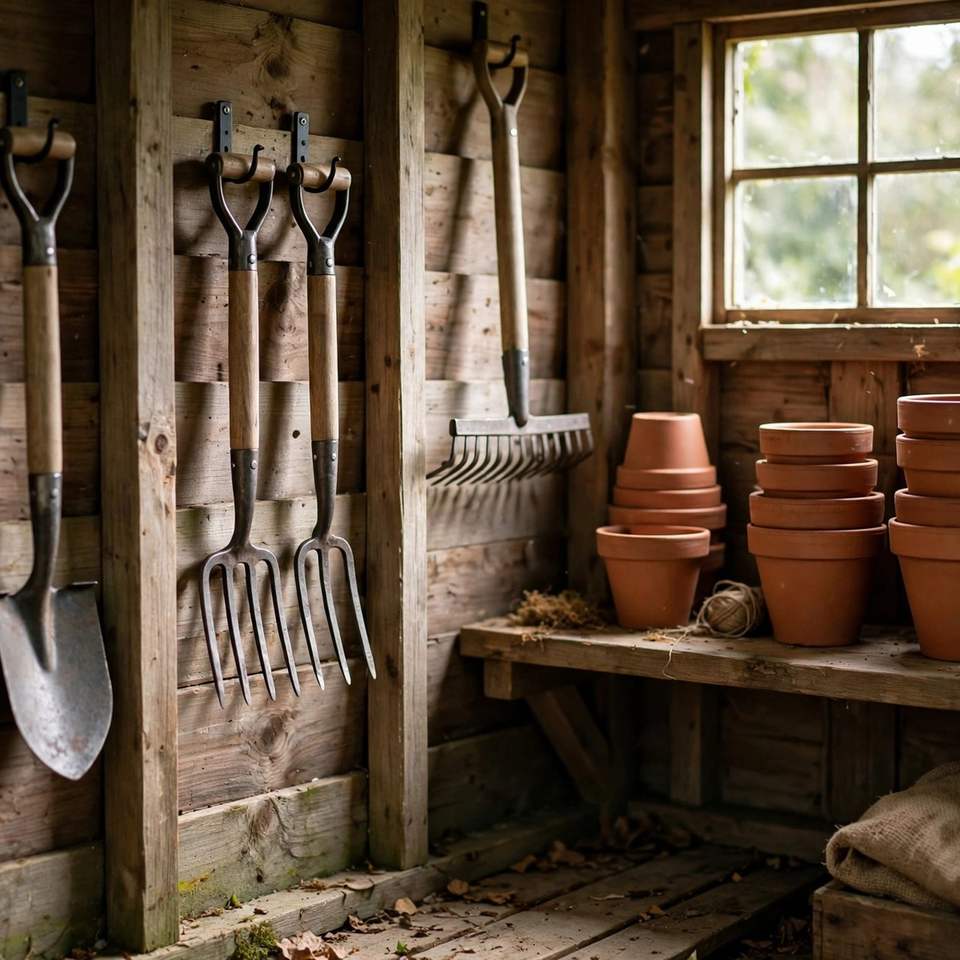
A shed tidy in August saves you twice: now, when you can find everything for the jobs on this list, Work through one shelf at a time, clean soil off tools, wipe metal parts dry, and store anything sharp safely.
Shed tidy checklist:
- Clean and dry tools before hanging them
- Check handles and blades for damage
- Group pots, ties and supports together
Tip: store any forgotten garden products upright and sealed together, rather than scattered on the floor.
15) Sort the Garage and Win Back Floor Space

Garages collect a summer of camping gear, paddling pools and half-finished projects. An August sort returns the floor space you will want in autumn, when bikes and wet-weather kit need to come in out of the rain. Work in zones and get everything you can off the floor.
How to sort it:
- Group outdoor gear, tools and seasonal items
- Move everything possible onto shelves or hooks
- Check for leaks or damp patches
Tip: finish by imagining the space on a rainy winter night — if it works then, it works.
16) Clear Air Bricks and Outside Vents
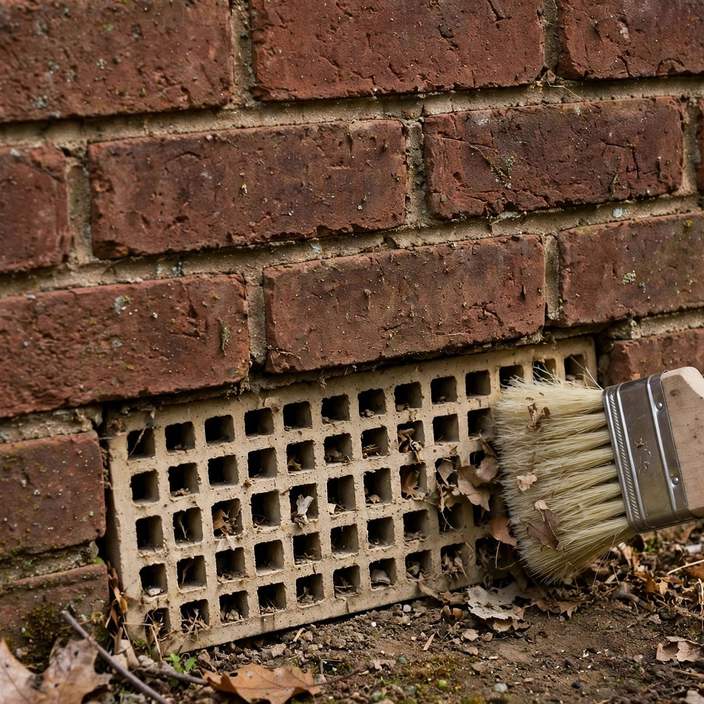
Air bricks and vents do an invisible but vital job, letting air move under floors and through walls so moisture does not build up. In summer they quietly fill with soil, leaves, webs and garden growth. Walk the outside walls at low level with a soft brush and clear every one you find.
What to clear:
- Soil and mulch piled against air bricks
- Leaves and webs in vent covers
- Climbers growing over low vents
Tip: never paint over or block an air brick to stop a draught — the airflow is there on purpose.
17) Test Smoke and Carbon Monoxide Alarms

This is the quickest task on the list and the most important. Test every smoke and carbon monoxide alarm, dust each one gently, and note any that need replacing — before heating season puts them back on duty full time. Replace a whole unit, not just its battery, if it fails the test or sounds weak.
Quick alarm routine:
- Press the test button on every alarm
- Dust covers gently with a dry cloth
- Check alarms on each floor
Tip: write the test date in your notebook and set a reminder to test again through the heating months.
18) Dust Radiators and Let Trapped Air Out

Radiators sit ignored all summer, gathering dust that smells faintly scorched at the first autumn switch-on. Dust them now, while the system is cool and off, and they will wake up clean. If you let trapped air out, keep a cloth and small container ready and stop the moment water appears.
Radiator checklist:
- Dust top, back and between panels
- Check for cold spots at the top
- Let trapped air out gently
Tip: if a radiator stays cold, leaks, or the system loses pressure, stop and call a heating professional.
19) Book a Boiler and Heating Forward Check

This is the one task you should book rather than do. Heating engineers are busiest in the first cold snap, so arranging a service in August usually means a calmer appointment and a system ready before autumn. Leave all gas and heating work to a qualified professional; your part is simply to book early.
Your part of the job:
- Book before the autumn rush
- Clear safe access around the boiler
- Note noises or cold rooms to mention
Tip: in the same round of calls, book any other professional jobs from your notes — roofer, electrician or glazier.
20) August Home Maintenance Ends With a Loft Check
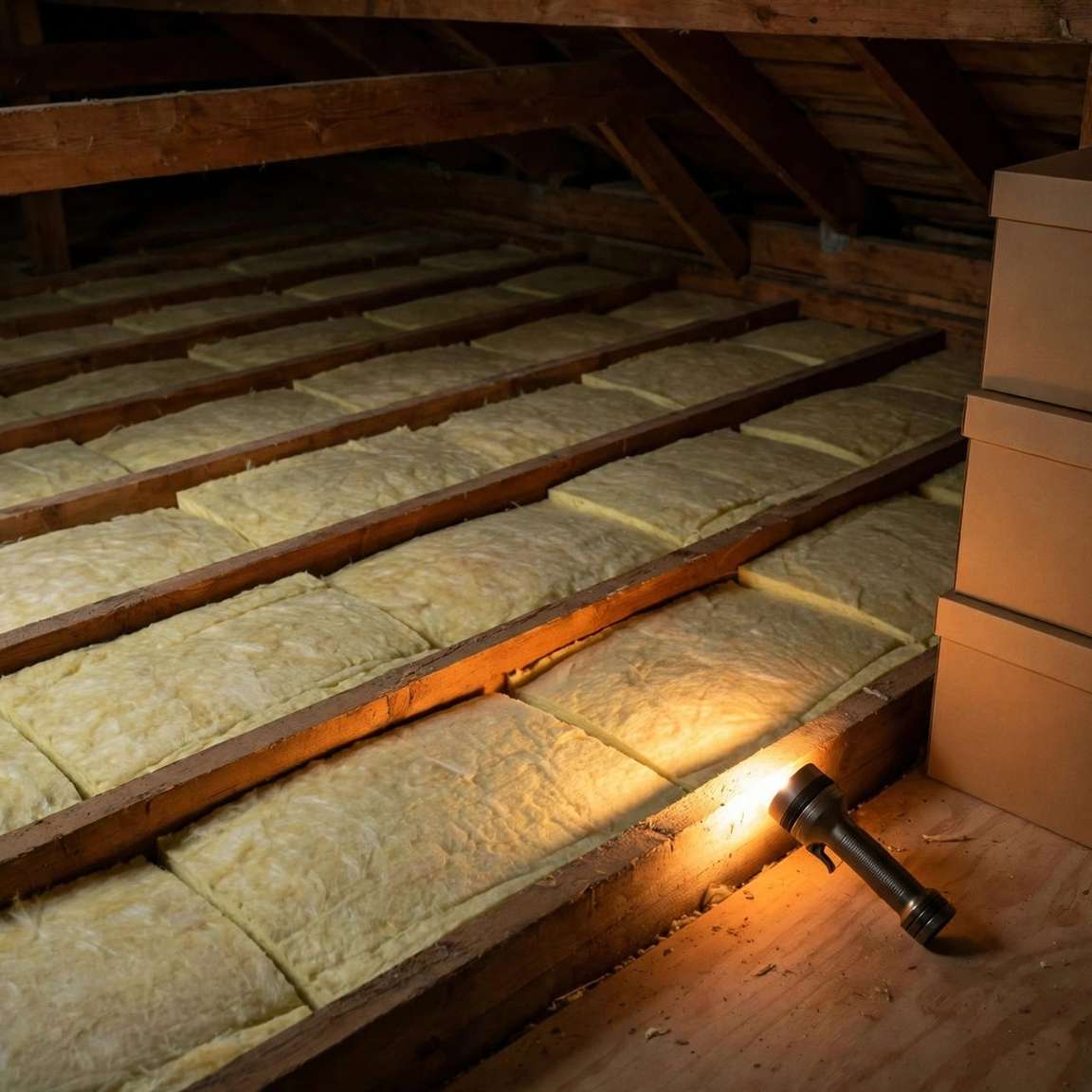
Finish the month at the top of the house. A brief August loft check, while the space is dry, shows whether insulation lies flat and even, and whether anything stored up there is damp or blocking airflow at the eaves. Take a torch, tread only on boards or joists you trust, and keep the visit short.
What to look for:
- Insulation flat, even and dry
- Daylight showing where it should not
- Stored boxes dry and clear of eaves
Tip: if anything looks damp or involves wiring, photograph it and ask a professional — never squash insulation down to make storage room.
How to Plan Your August Home Maintenance Jobs Through the Month
Twenty tasks sound like a lot until you spread them out. Split august home maintenance into four light weekends: outside water and roof jobs first, garden and wood next, windows, paths and fences after that, and the indoor checks last.
Keep one running note on your phone or in a hallway notebook: jobs done, jobs booked, and anything you spotted but did not fix. And if your living spaces need the same calm attention indoors, these home interior design ideas are a good place to plan autumn changes while you work.
What to Leave to Qualified Professionals
Some jobs on this list end at looking, testing and booking — and that boundary is a feature, not a failure. Gas and boiler work, anything involving wiring beyond changing a bulb, roof repairs and sealed window units all belong with qualified professionals who do them safely every day.
For general methods and background reading, Family Handyman is a useful source of plain, practical home-care guidance. And if you are settling into a cosy sitting room while you plan, these cozy home decor ideas show the warm end result all this upkeep protects.
Conclusion
A house looked after in small, regular passes rarely surprises you. Your august home maintenance does not need to be perfect or even complete — fifteen of these twenty tasks done calmly will carry your home into autumn in far better shape than none done in a panic later.
Start with the job nearest the front door. Gutters first if it has rained, the garden first if the sun is out.
Pick one task for this weekend, put the kettle on when it is done, and enjoy the quiet satisfaction of a home that is ready for the season ahead.




More Stories
18 Small Bedroom Decorating Ideas
17 Stunning Deck Stain Ideas to Transform Your Yard
15 Cozy Boho Living Room Ideas