
Introduction
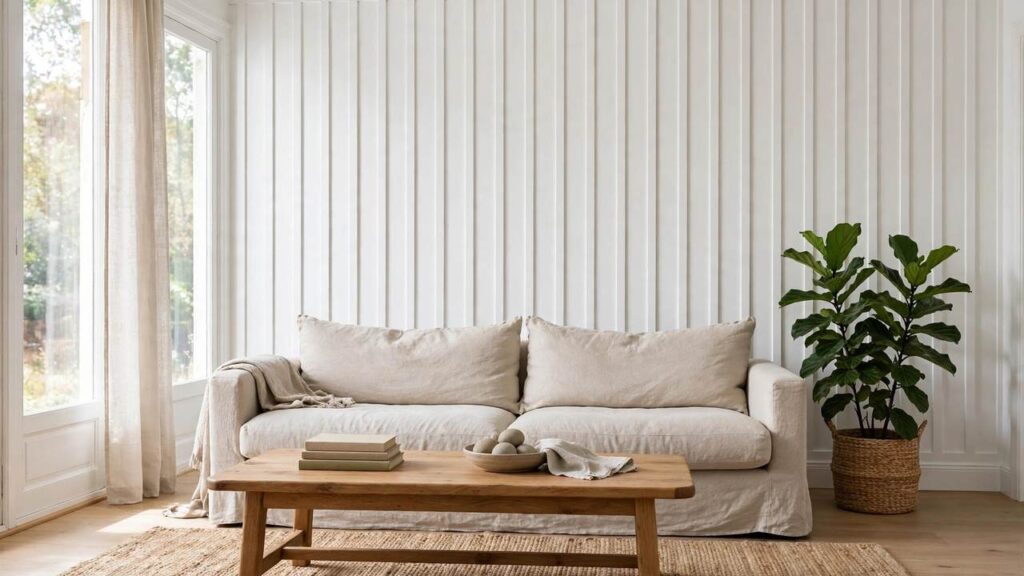
You know that one plain wall in your home that never quite looks finished, no matter what you hang on it? The right board and batten wall ideas give that wall a quiet structure of its own, with flat panels and slim vertical strips that catch the light and add depth without any fuss.
That is exactly why this look has become a favourite for living rooms, hallways and bedrooms alike. The look suits cottages and new builds, it works in soft neutrals or deep colours, and it makes even a small room feel more considered.
If you enjoy a strong feature wall, these black accent wall ideas show the bolder end of the same idea. Here the mood is calmer and more crafted.
In this guide, you will find 18 ideas for every room in the house. Each one comes with simple styling notes and a practical tip, so you can picture the look in your own home before you pick up a single tool.
1) Classic Full-Height Panels in the Living Room
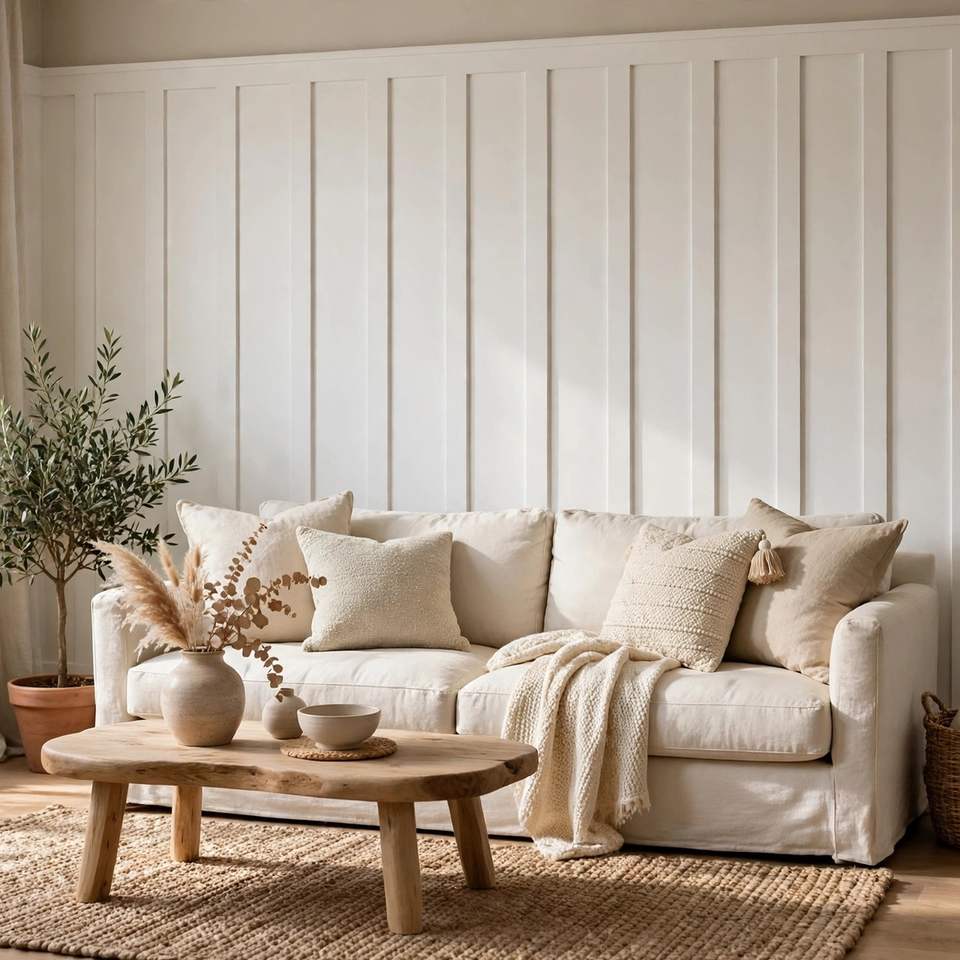
The classic version runs from skirting board to ceiling, with evenly spaced battens over a smooth wall. Painted in a warm white, it turns a plain living room wall into soft architecture that works behind almost any sofa.
Why it works:
- Vertical lines make the ceiling feel higher
- White keeps the texture gentle, not busy
- Suits both modern and traditional furniture
Tip: space the battens to land neatly behind your sofa’s edges so the pattern looks planned.
2) Half-Wall Wainscot Style in the Hallway
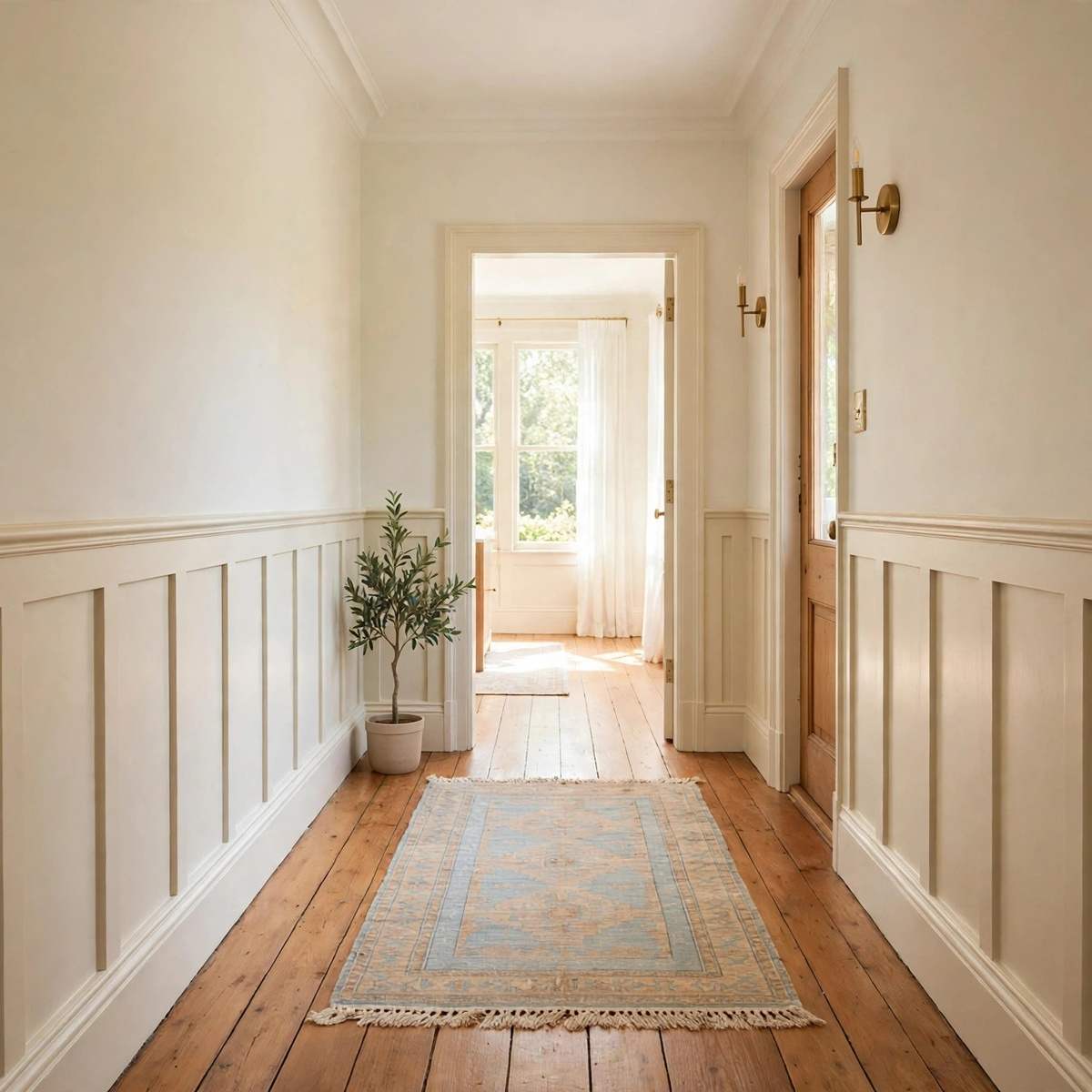
Stopping the panelling at chair-rail height gives a hallway protection and charm in one move. The lower half takes the knocks from bags and boots, while the plain wall above keeps the narrow space feeling open.
Best for:
- Busy hallways that scuff easily
- Showing off pictures or a mirror above
- Small spaces that need light colours
Tip: finish the top edge with a slim ledge strip so the line looks crisp and deliberate.
3) Deep Green Statement Wall in the Dining Room
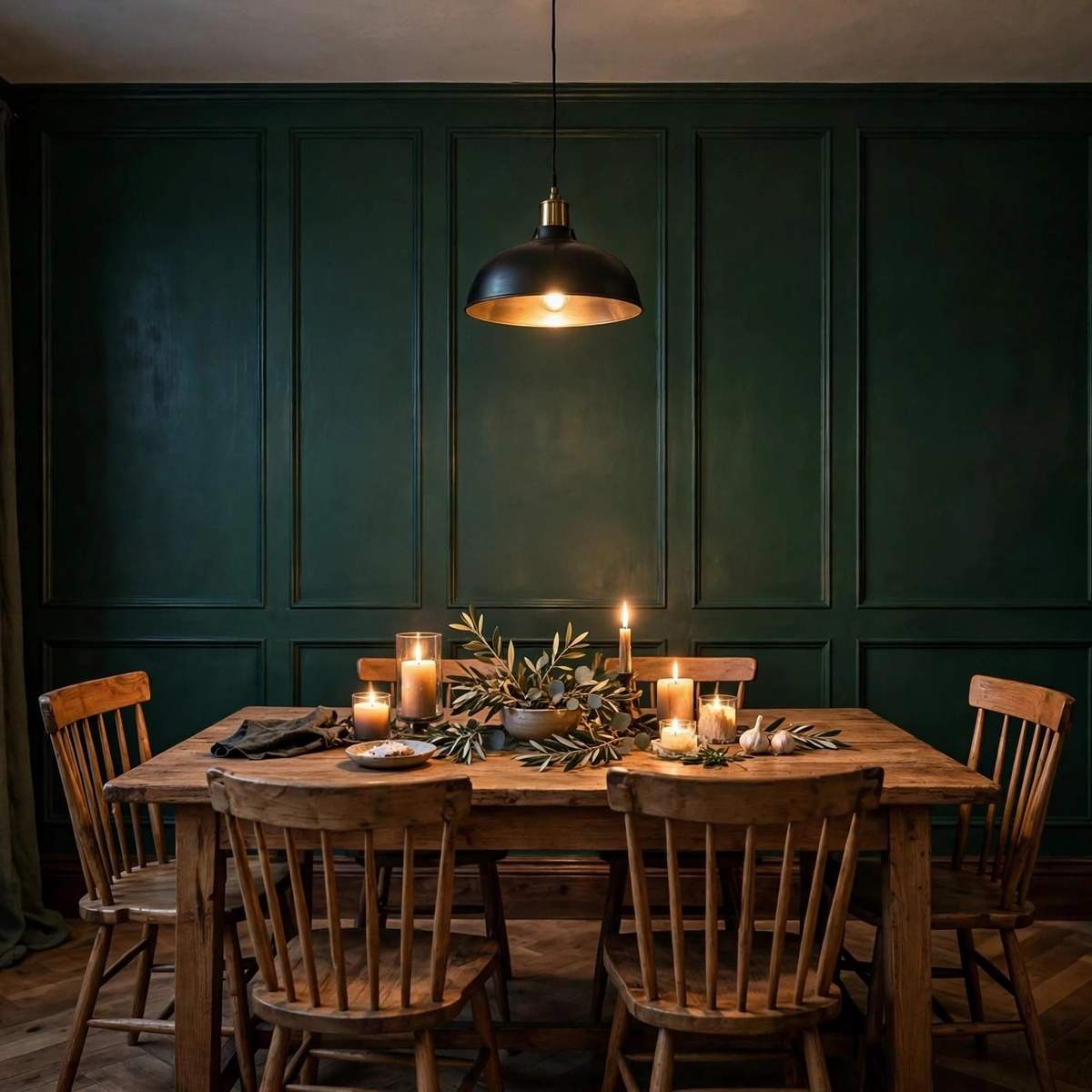
Deep green and neat battens are a beautiful pairing. The colour feels rich at night under warm light, and the panel lines stop a dark wall from reading as one flat block.
Why homeowners love it:
- Green flatters wood furniture and brass details
- Panel shadows add depth after dark
- Makes everyday suppers feel like an occasion
Tip: keep the ceiling and side walls pale so the green stays dramatic, not heavy.
4) Soft Sage for a Calm Bedroom
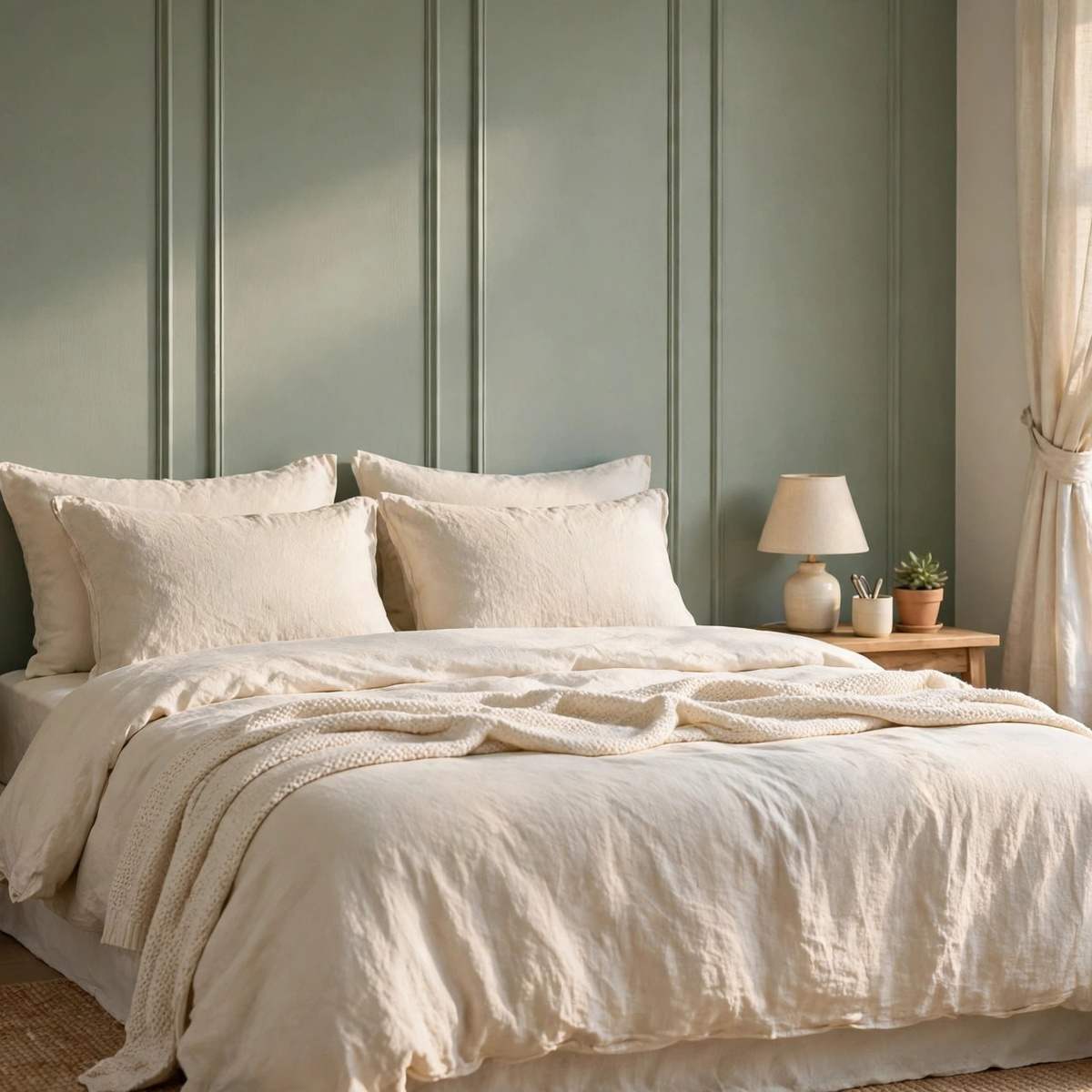
Sage is the colour of a deep breath. Behind a bed, low board and batten panelling in this soft green gives you the finished look of a headboard wall without buying new furniture.
How to style it:
- Pair with cream or warm white bedding
- Add natural wood at the bedside tables
- Keep the battens behind the bed low and wide
Tip: run the panelling just above pillow height for the neatest line.
5) Navy Blue for a Cosy Reading Corner
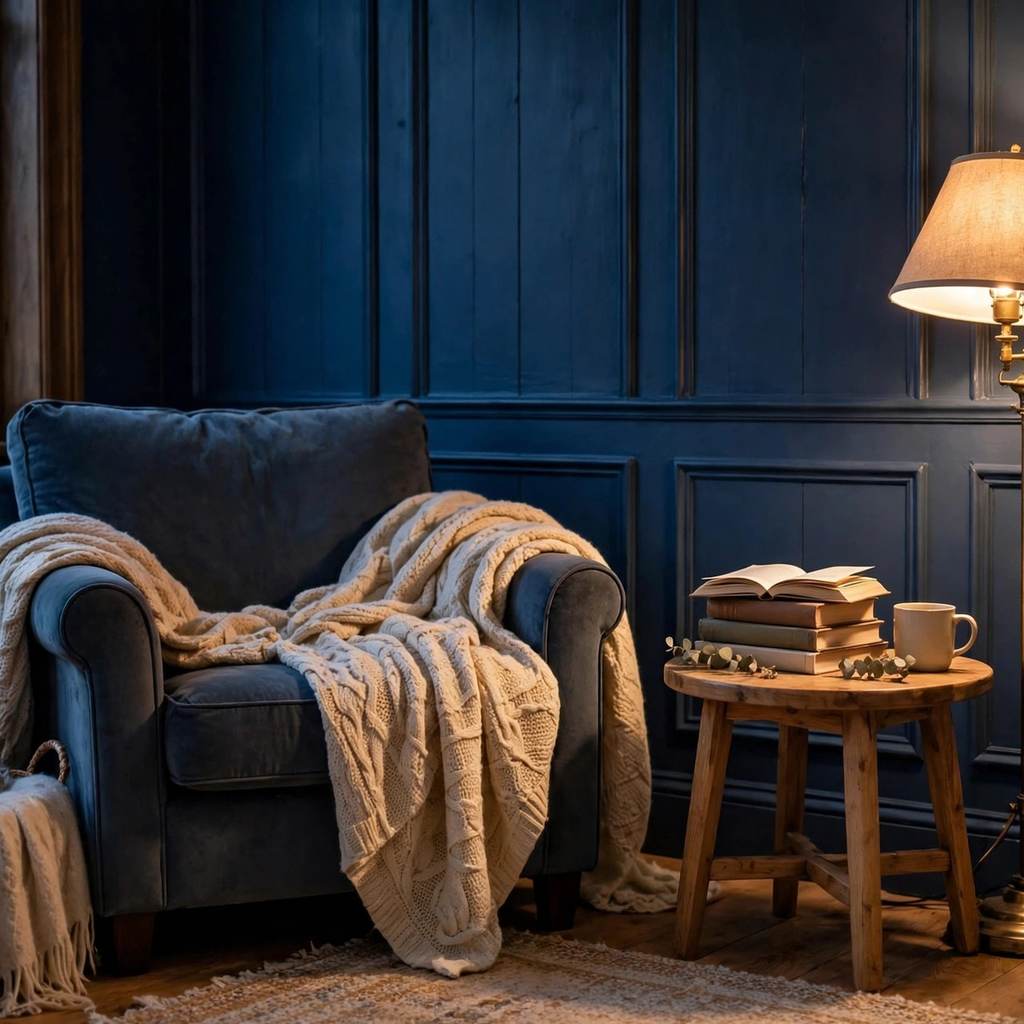
A small corner in navy feels like a hug. Board and batten stops the dark colour closing in, because the light catches each batten and breaks the wall into friendly stripes.
Best for:
- A forgotten corner that needs a purpose
- Teaming with tan leather or warm wood
- Evening rooms lit mostly by lamps
Tip: add one pale cushion or throw so the corner glows against the navy.
6) Warm Wood Tones for a Rustic Entryway
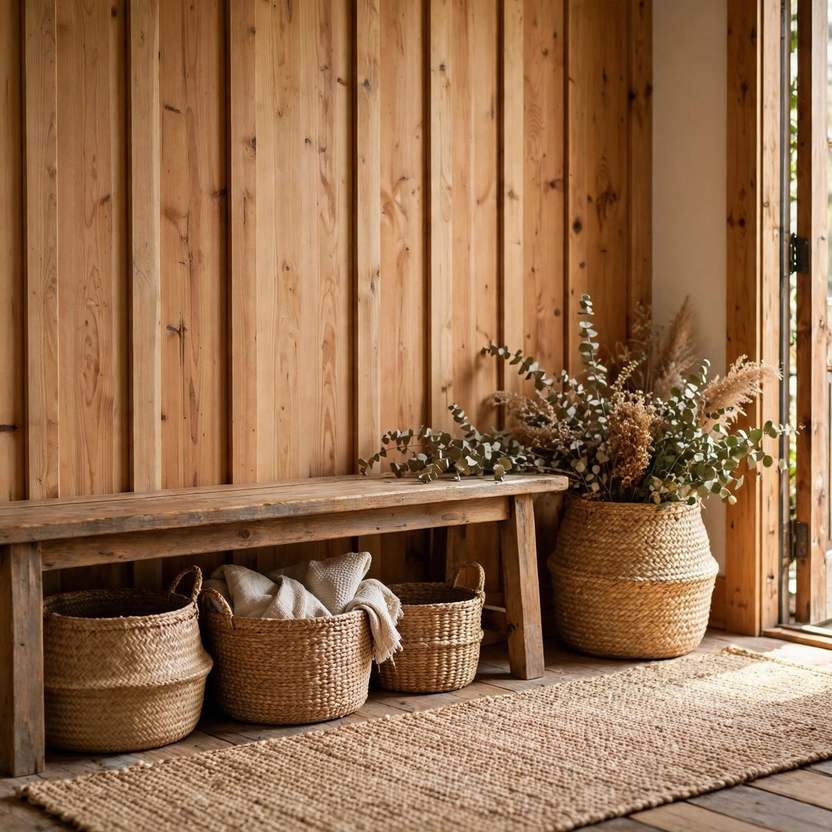
Leaving the wood visible, or choosing a warm wood tone, brings a relaxed country feel to the entrance. It hides scuffs gracefully and greets you with texture the moment you step inside.
Why it works:
- Natural grain forgives everyday marks
- Warm tones suit boots, baskets and benches
- Pairs beautifully with stone or wood floors
Tip: keep nearby walls plain and pale so the wood stays the star.
7) Board and Batten Wall Ideas Behind the Bed
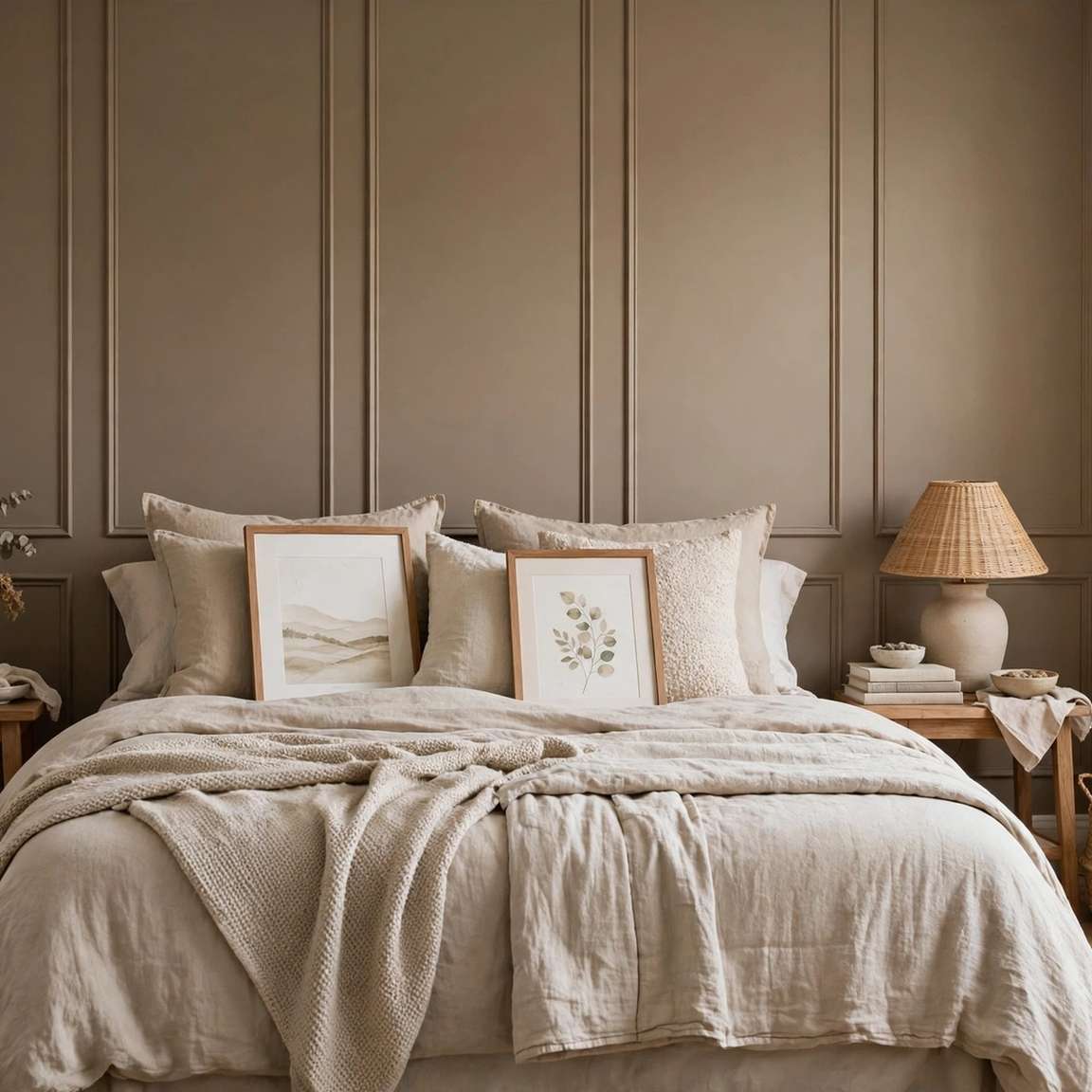
Some board and batten wall ideas earn their keep by replacing furniture, and this is one of them. A full-height panelled wall behind the bed does the job of an oversized headboard, framing the whole sleeping area.
How to style it:
- Centre the middle batten behind the bed
- Choose a tone slightly deeper than the bedding
- Hang nothing — the panels are the picture
Tip: add small wall lights on the outer panels to free up bedside table space.
8) Narrow Battens for a Modern Look
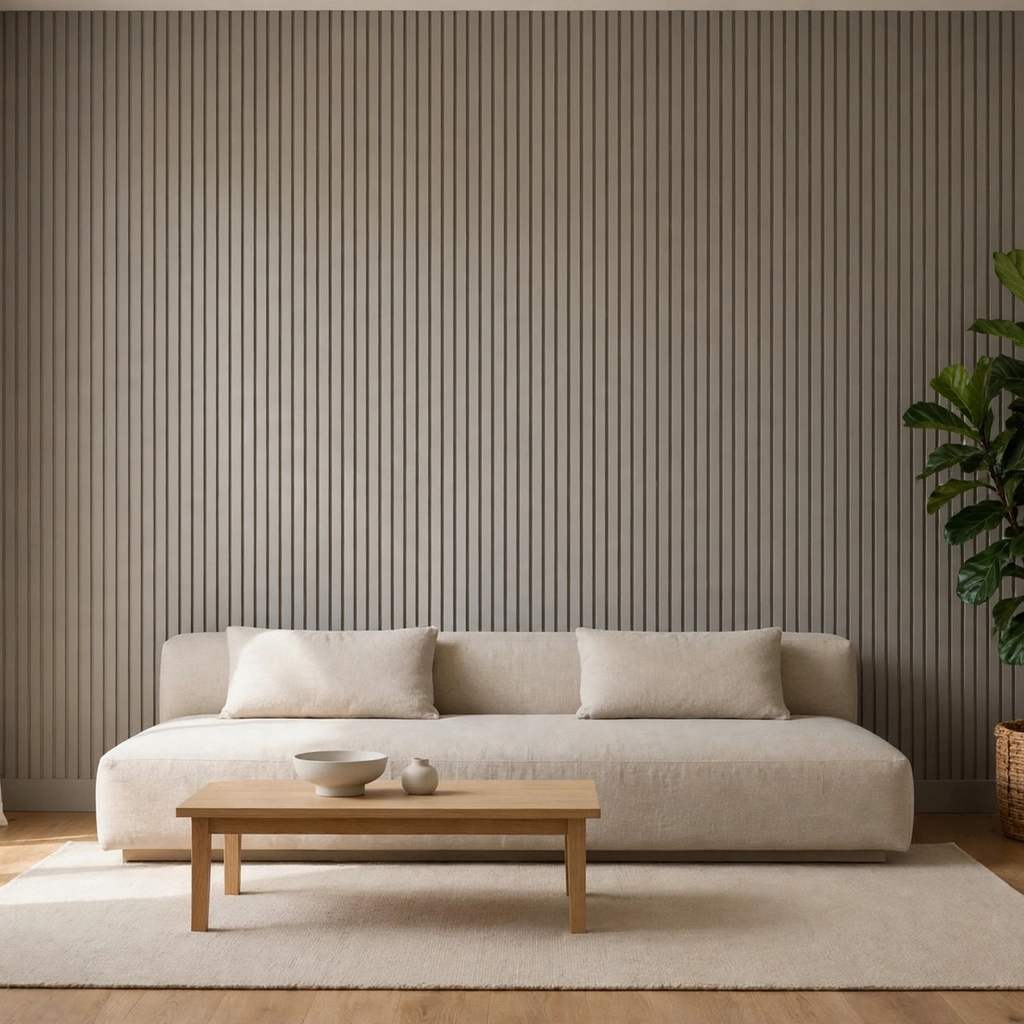
Closely spaced, slim battens feel crisp and contemporary. The fine rhythm of lines suits simple furniture and uncluttered rooms, and it photographs beautifully in flat daylight.
Best for:
- Newer homes with clean lines
- A subtle texture behind a plain sofa
- Grey, greige or soft black paint
Tip: keep ornaments few and large — small clutter fights the fine pattern.
9) Wide Panels for a Calm, Spacious Feel
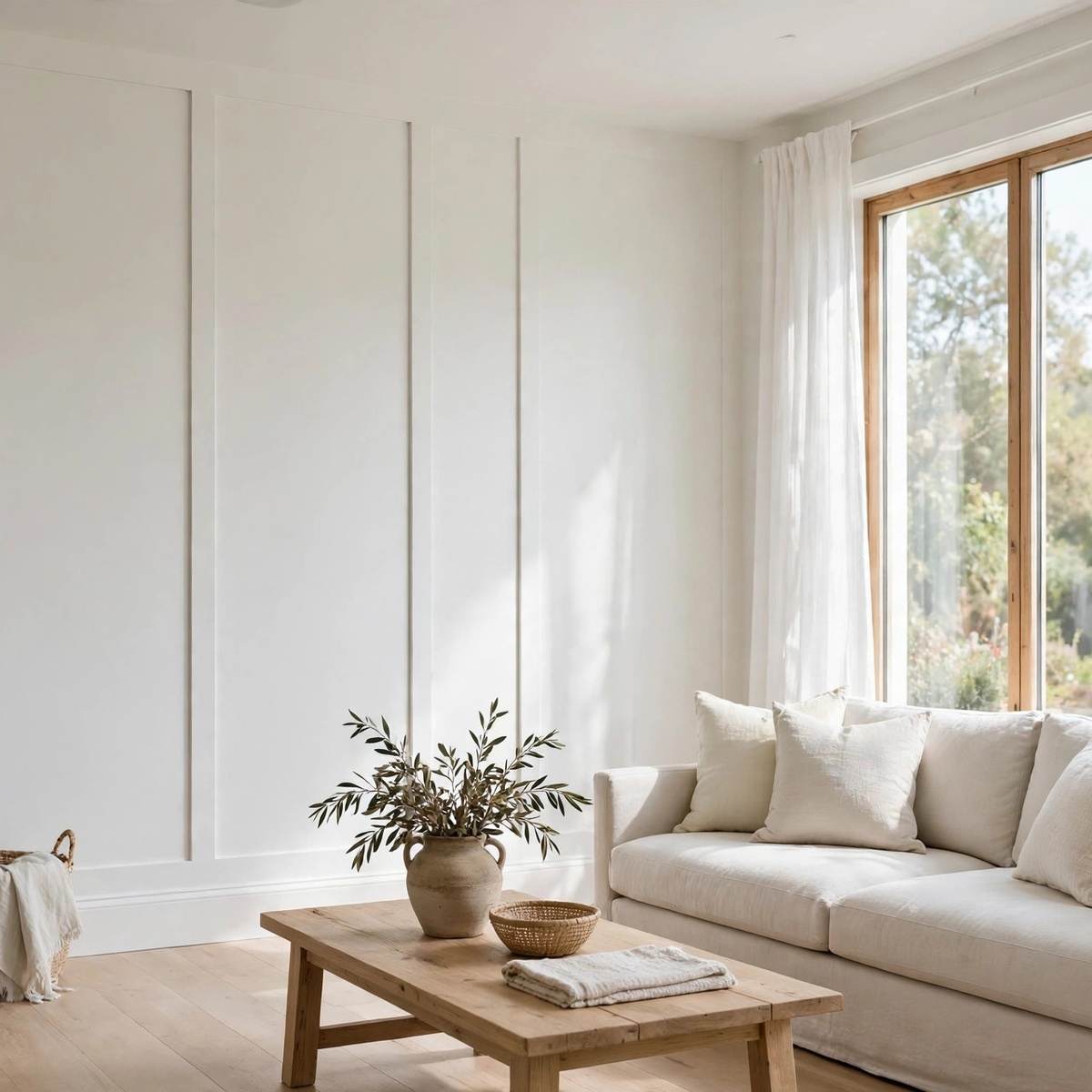
Wide spacing does the opposite job: fewer lines, more calm. Big calm rectangles of wall suit larger rooms and anyone who loves the panelled look but not the busyness.
Why it works:
- Broad panels make small rooms breathe too
- Fewer battens means a quicker, simpler project
- A gentle backdrop for colourful furniture
Tip: match the panel width roughly to your largest picture frame for easy harmony.
10) Two-Tone Paint for Gentle Contrast
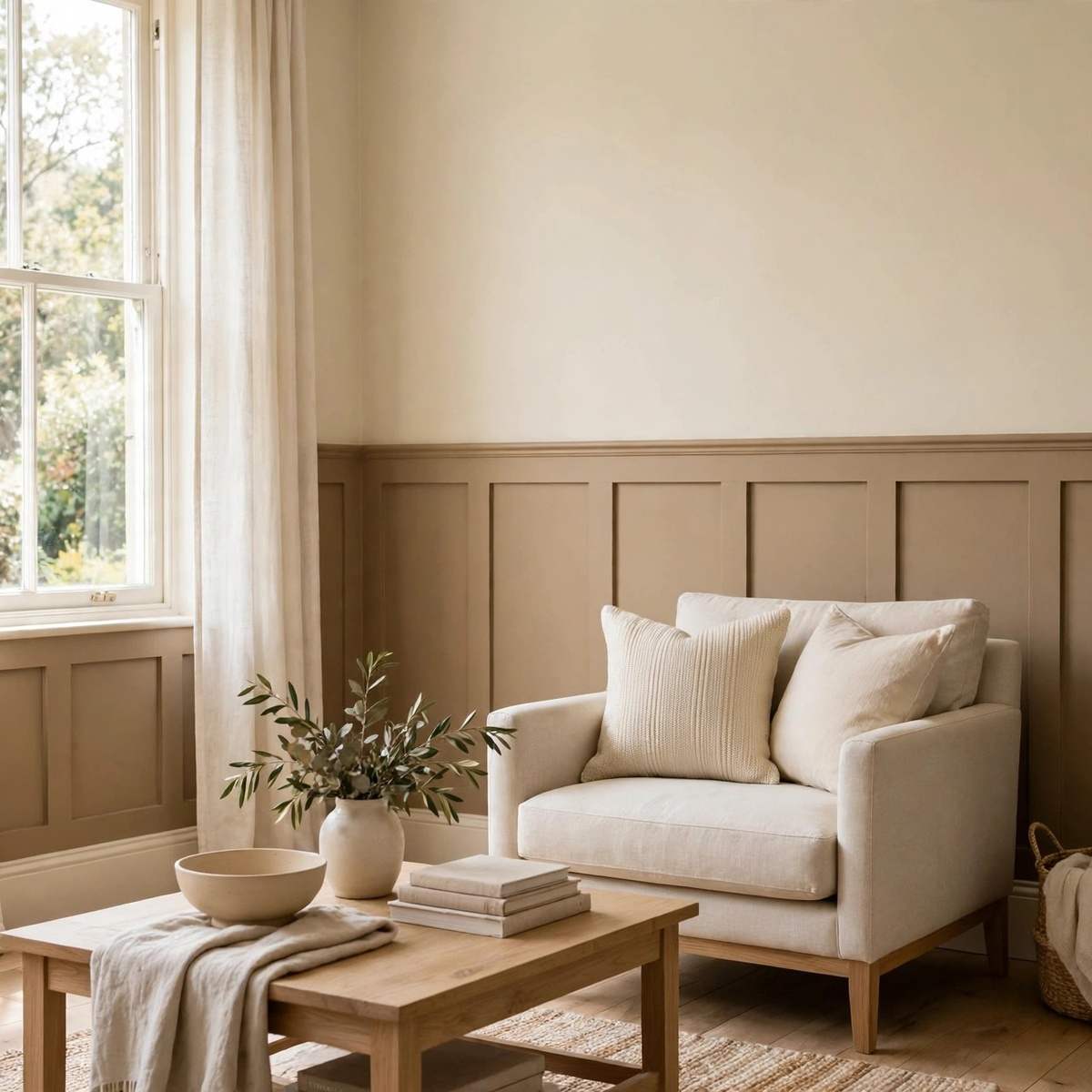
Painting the panelling one shade and the wall above a lighter tint of the same colour gives you contrast you cannot get wrong. The family resemblance keeps everything calm while the line between them does the decorating.
How to style it:
- Pick two shades from the same colour strip
- Darker below grounds the room
- Repeat the lighter shade in cushions or curtains
Tip: test both shades together at dusk — that is when two-tone walls show their true mood. For stronger contrasts, browse these stunning accent wall ideas.
11) Board and Batten Wall Ideas Around a Fireplace
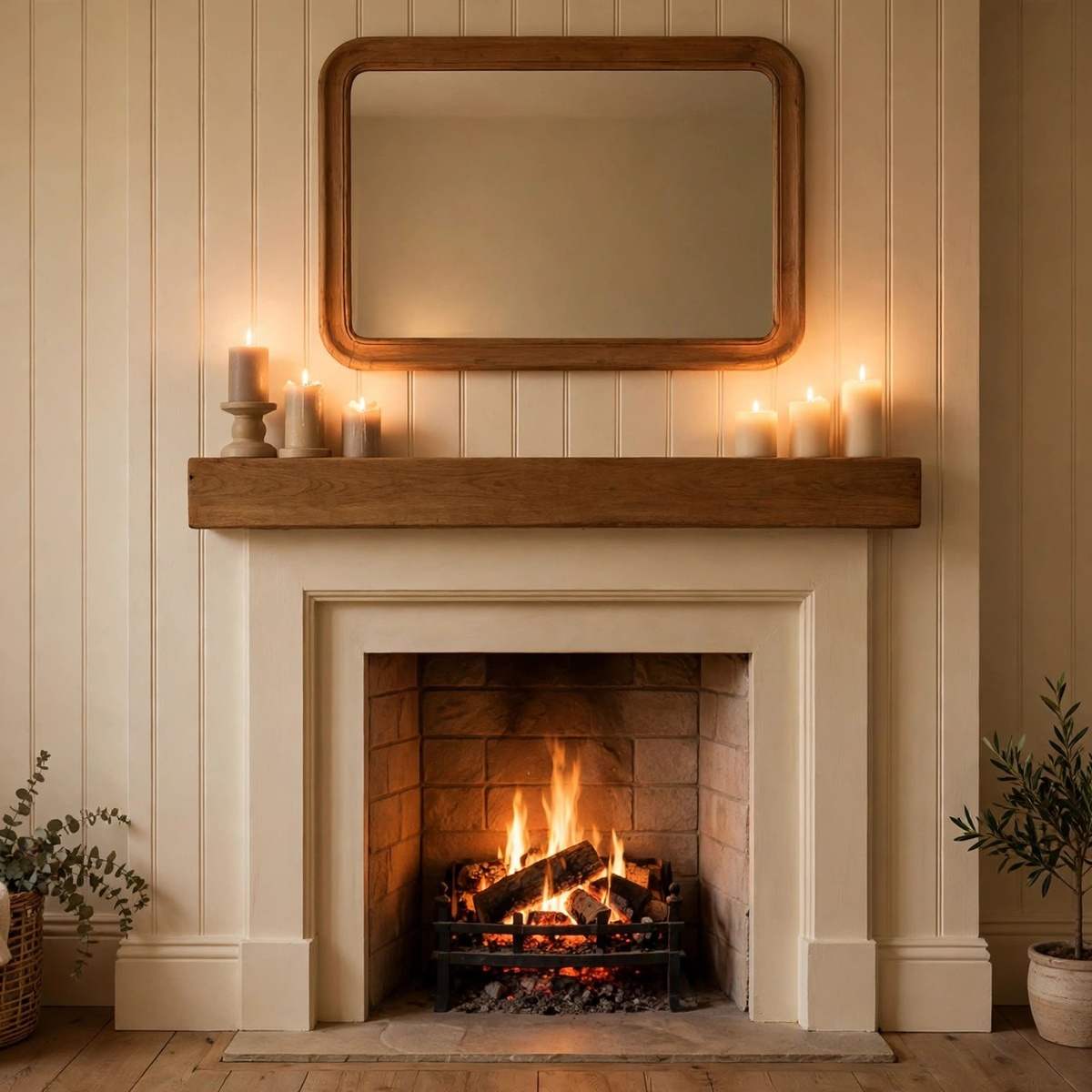
A fireplace wall can look oddly bare at the sides. Framing it with board and batten wall ideas gives the chimney breast company and makes the whole wall feel built-in and intentional.
Best for:
- Balancing a small fireplace on a big wall
- Creating symmetry for shelves or lights
- Traditional rooms that need a focal point
Tip: stop the battens at the mantel line so the fireplace keeps the leading role.
12) A Slim Picture Ledge Along the Top Rail
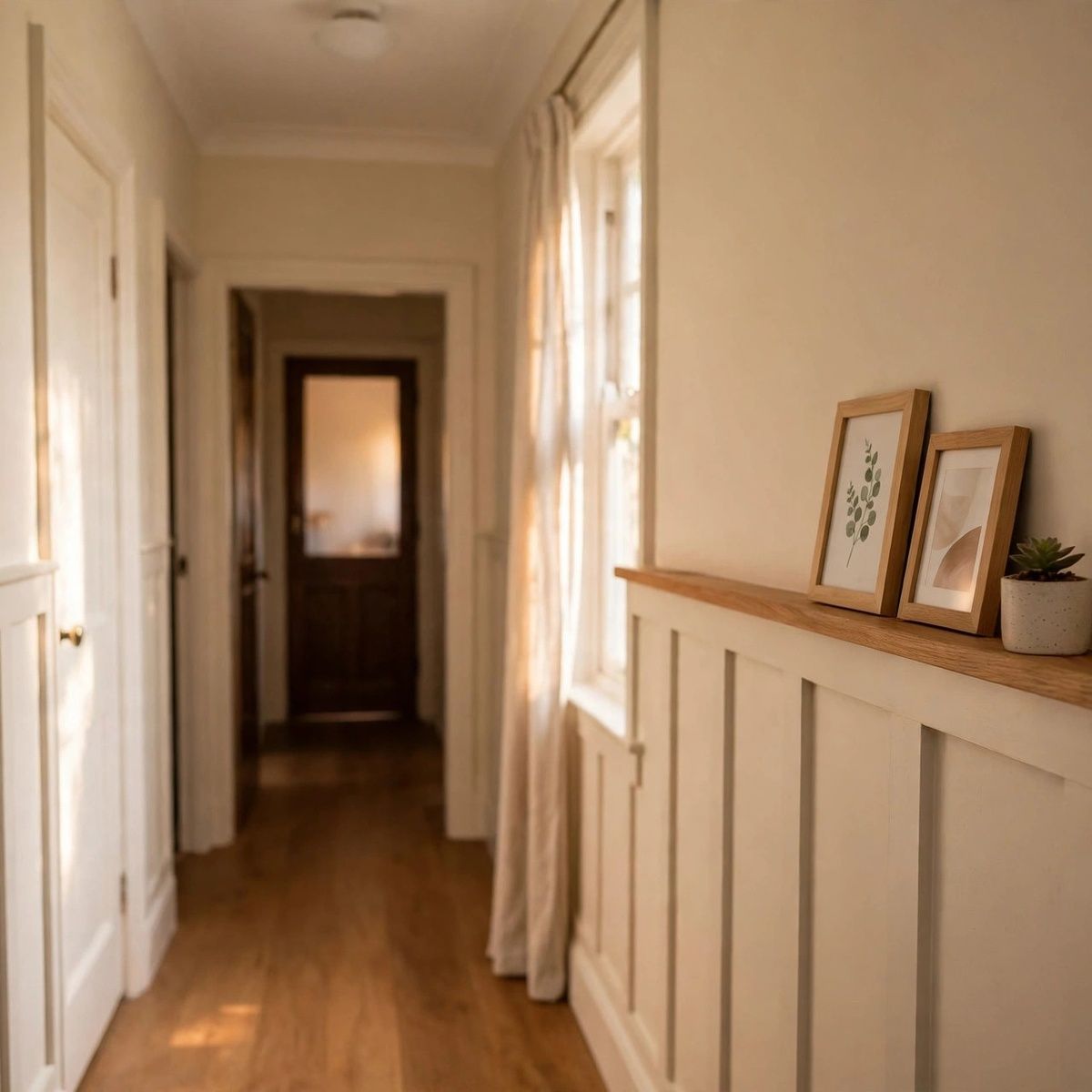
If your panelling stops halfway, give the top rail a second job as a display ledge. Small frames, a tiny plant and a candle can lean there in a row that you can rearrange in minutes.
Why homeowners love it:
- Art without drilling new holes
- Seasonal swaps take five minutes
- The ledge line tidies the whole wall
Tip: keep frames in one colour family so the ledge reads as one calm display.
13) Hooks Between the Battens in the Boot Room
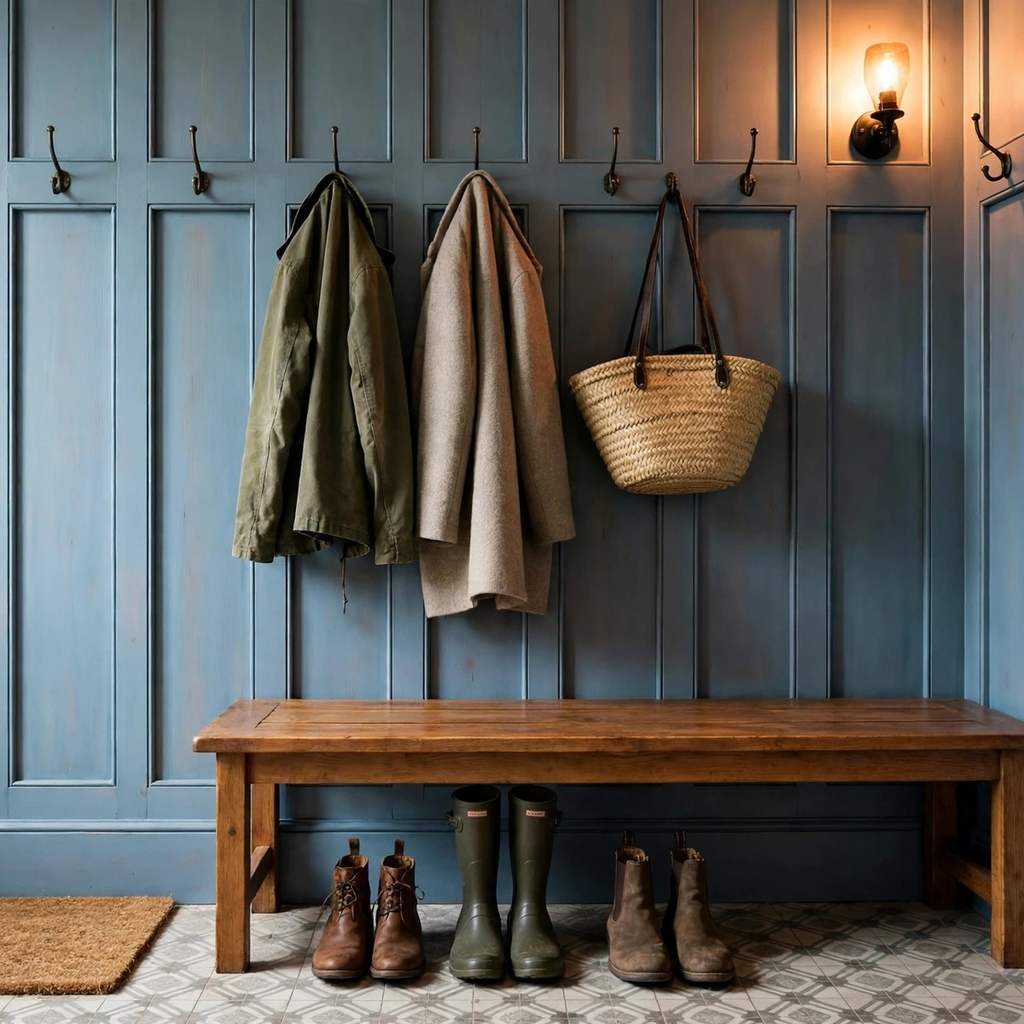
In a boot room or mudroom, the flat spaces between battens are perfect homes for hooks. Coats hang in a tidy rhythm, the panelling protects the wall, and the whole room suddenly works harder.
How to use it:
- Place hooks at two heights for adults and children
- Choose strong hooks in a warm metal finish
- Leave one panel hook-free for a mirror
Tip: paint the panelling in a mid tone that hides mud splashes between cleans.
14) Soft Pink Panels for a Child’s Bedroom
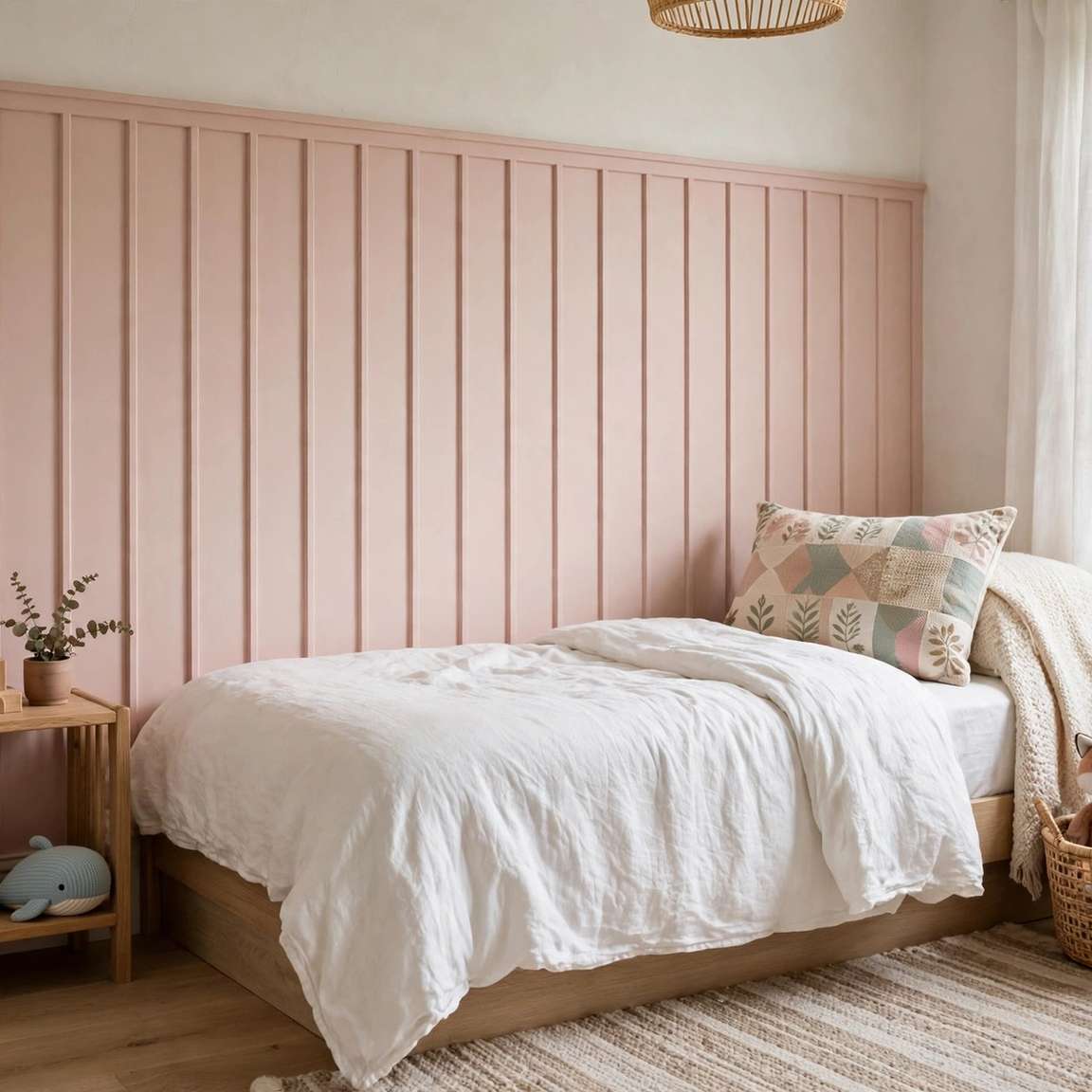
Blush pink panelling gives a child’s room a storybook feel that plain paint cannot match. The battens add just enough grown-up structure to carry the room from toddler years to early teens.
Best for:
- Half-height panels that protect play-worn walls
- Pairing with white furniture and natural wood
- A backdrop for bunting or framed drawings
Tip: keep the pink soft and dusty so it stays restful at bedtime.
15) Charcoal Panels for a Smart Bathroom
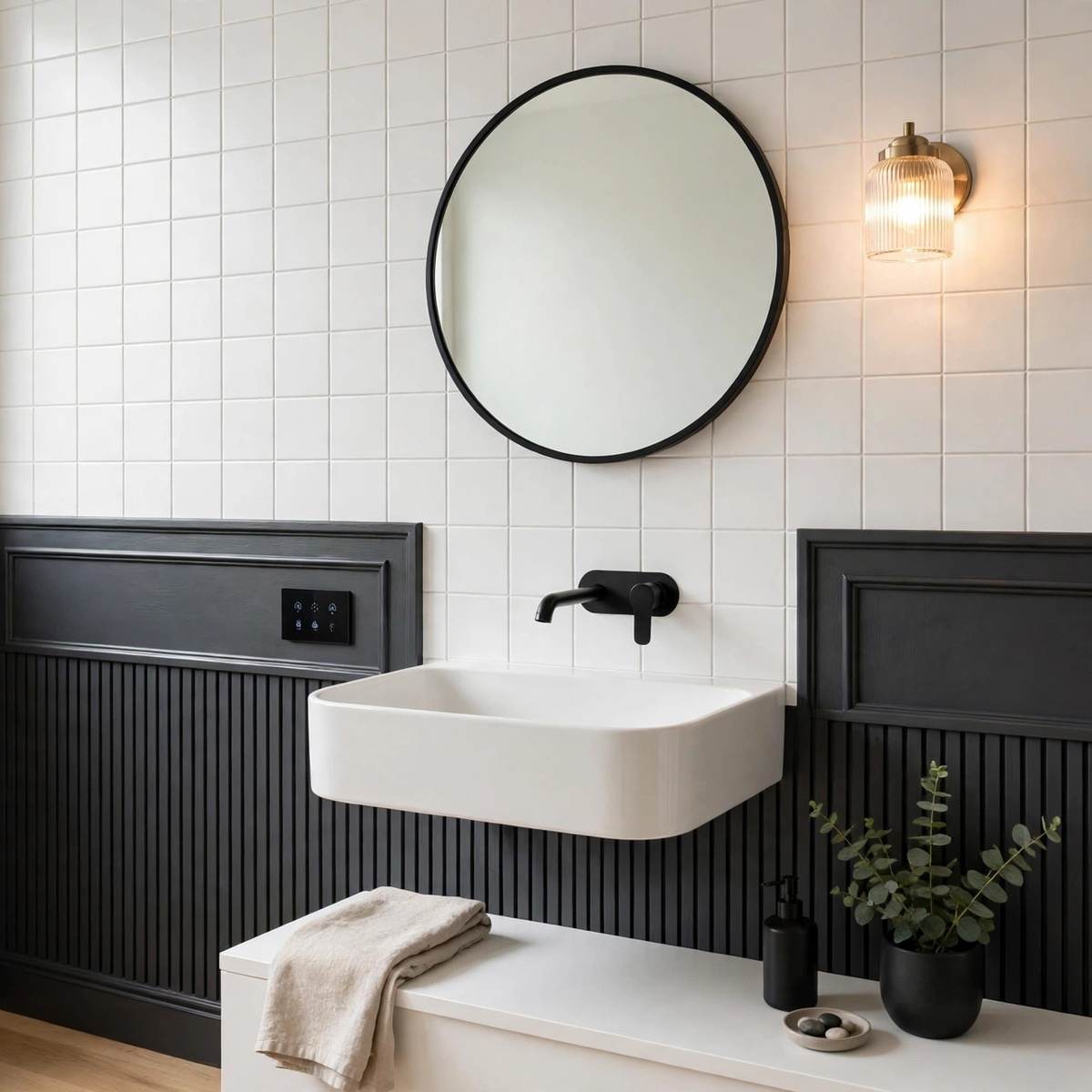
Bathrooms love a wipeable lower wall, and charcoal panelling delivers it with style. Against white tiles and a white basin, the dark panels look tailored rather than gloomy.
Why it works:
- Dark lower walls hide splashes and marks
- The contrast makes white fittings sparkle
- Works in even the smallest cloakroom
Tip: use bathroom-suitable paint with a soft sheen so steam and splashes wipe away easily.
16) A Grid Pattern for a Playful Twist
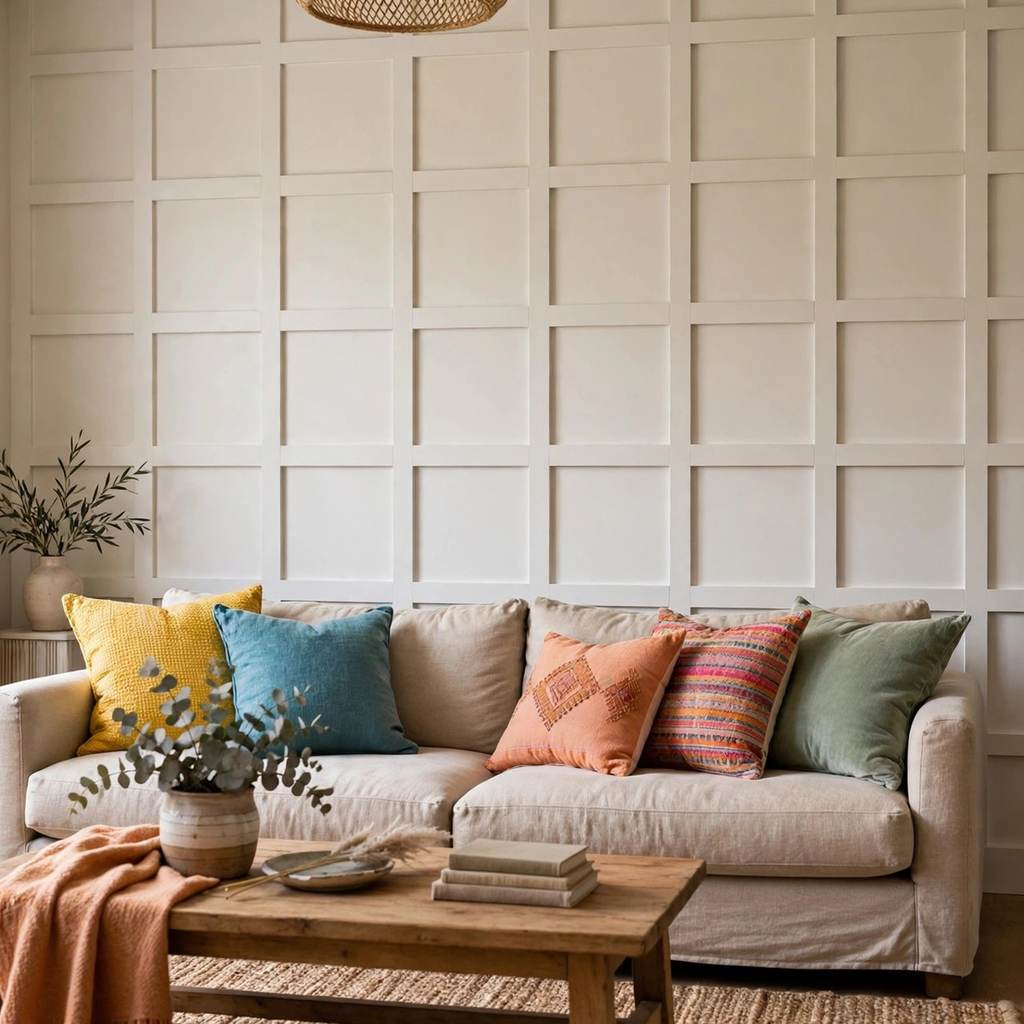
Adding horizontal rails across the battens turns stripes into squares. The grid feels playful and a little more tailored, and it is a lovely choice behind a sofa or in a family room.
How to style it:
- Keep the squares large for a calm rhythm
- One colour overall keeps the pattern tidy
- Let cushions carry the colour instead
Tip: plan the grid so a full square lands at seated eye level — it anchors the wall.
17) Panels That Climb the Staircase Wall
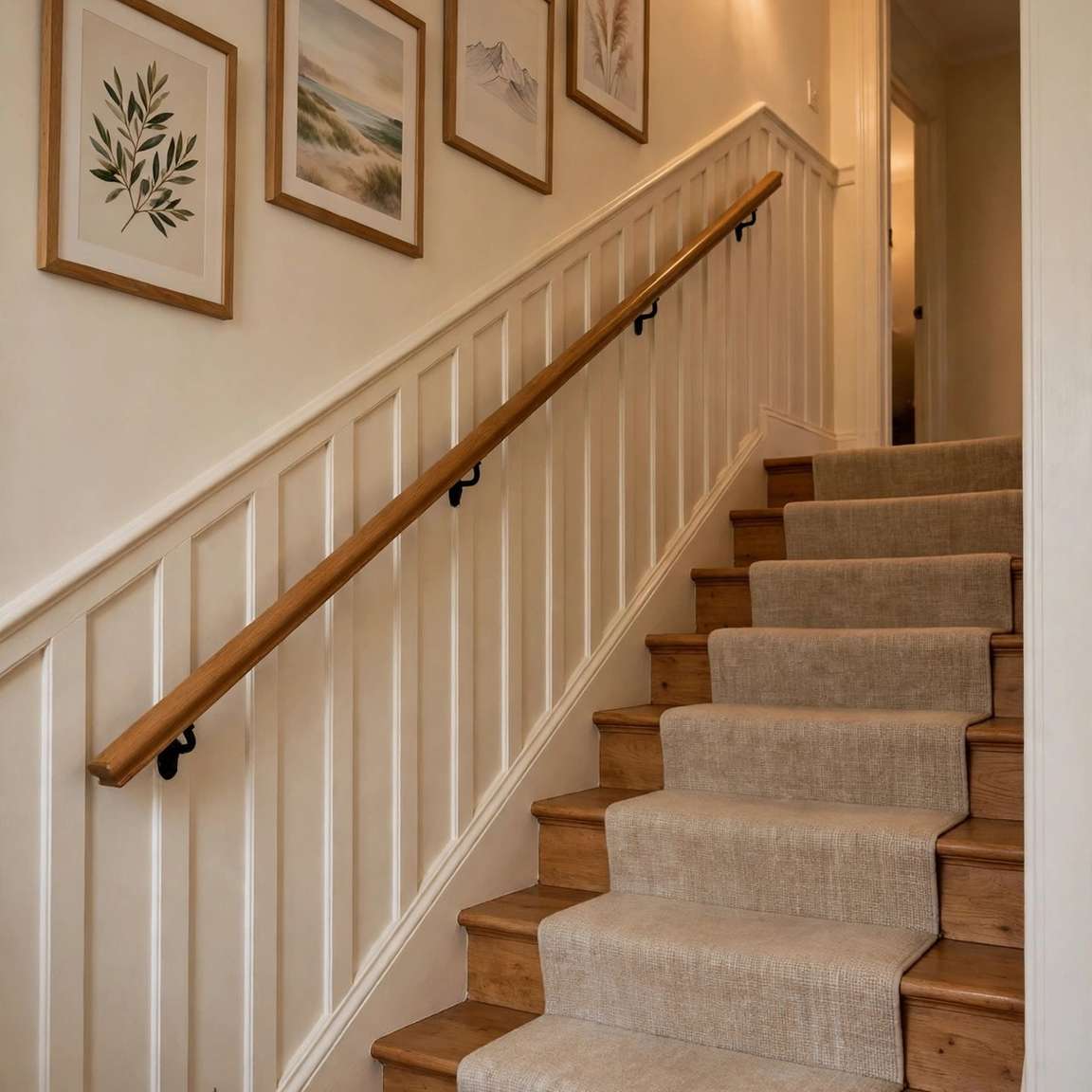
The staircase wall is the biggest blank most homes own. Panelling that steps up with the stairs turns a pass-through into a feature, and it protects the wall from a thousand passing hands.
Best for:
- Following the slope with angled top rails
- Half-height panels under a gallery of frames
- Making the hallway feel connected floor to floor
Tip: paint the handrail a shade deeper than the panels to draw the eye upward.
18) Ceiling-Height Panels That Lift a Small Room
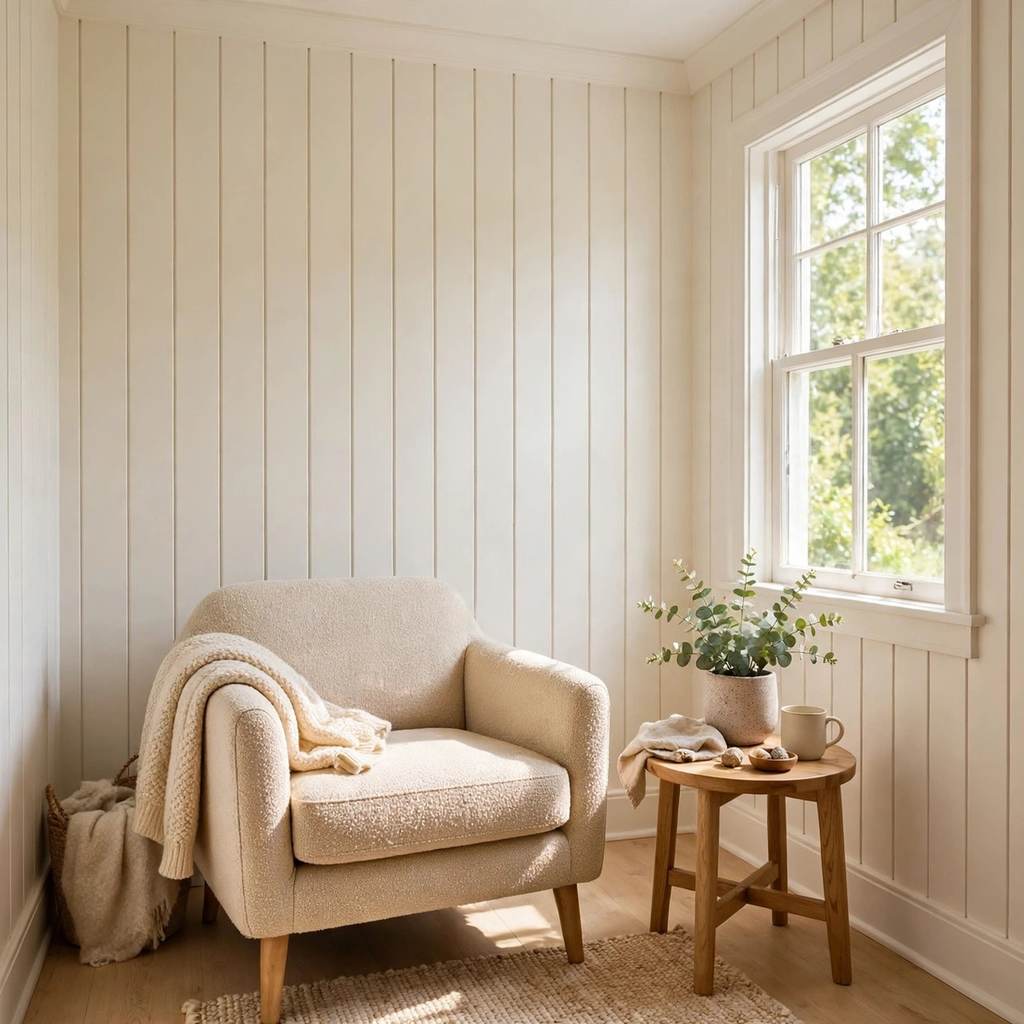
In a small room, fight the squeeze with height. Full-height battens pull the eye upward, and pale paint keeps the effect airy, so a box room or snug starts to feel taller than it is.
Why it works:
- Vertical lines are the oldest height trick there is
- Pale colours reflect light down the panel grooves
- One treated wall is enough for the effect
Tip: take the panels wall to wall — stopping short breaks the illusion.
How to Choose the Right Style for Your Room
Start with the room’s job. Busy spaces like hallways and boot rooms suit half-height panelling that can take knocks, while quiet rooms like bedrooms and dining rooms can carry full-height colour. Then look at your light: deep shades glow in lamplit evening rooms, while pale tones keep north-facing rooms bright.
Think about spacing too. Narrow battens feel modern and detailed, wide panels feel calm and simple, and the grid suits playful family spaces. If you are torn between shades, these cozy accent wall ideas show how warm colours behave on a single feature wall before you commit.
Finally, look at what already lives in the room. Panelling looks best when it agrees with your skirting boards, door frames and flooring rather than fighting them. A wall that echoes the wood tone of the floor, or the colour of a favourite rug, will always feel like it was meant to be there.
Simple Tips Before You Start
Measure your wall and sketch the batten spacing on paper first — even spacing is the whole secret of the finished look. Check where sockets, radiators and door frames fall, and adjust the spacing slightly so no batten lands awkwardly on an obstacle.
For step-by-step guidance from a trusted DIY source, Family Handyman is full of clear, beginner-friendly home project advice. Take your time with filling, sanding and the first coat of paint: with panelling, the preparation is what makes the lines look crisp.
One last kindness to your future self: paint a large sample of your chosen colour directly onto the wall and live with it for a full day. Colours shift between morning and lamplight, and the grooves of the panelling will deepen the shade a touch, so the colour you love at noon should still be the colour you love at nine in the evening.
Conclusion
A plain wall is only ever one pattern away from becoming the best thing in the room. Board and batten adds that pattern with simple lines, honest texture and a colour you already love.
You do not have to panel the whole house at once. Start with one wall — behind the bed, beside the fireplace or along the hall — and live with it for a while. One finished wall usually teaches you exactly where the next one belongs.
So pick your room, choose your shade and sketch your spacing this weekend. By Sunday evening, that blank wall could be the one everyone notices first.


More Stories
20 Deck Shade Ideas for a Dreamy Backyard
33 Stunning Kitchen Design Ideas
30 Area Rug Measurement Tips & Ideas