
Introduction
Every home makeover starts somewhere — very often with a sentence. The best interior design quotes cut through the overwhelm of paint charts and swatches and remind you what decorating is actually for: a home that works beautifully and feels unmistakably yours.
Long before mood boards, the most talented designers summed up their philosophy in a single line, and those lines still hold up today. If you enjoy other collections, this round-up of inspiring interior design quotes from famous designers is worth reading alongside this one.
In this guide, you will find 17 much-loved quotes from real designers, from William Morris in the 1800s to the names shaping homes today. Each comes with a beautiful room, a plain-English explanation, and simple ways to put the idea into practice.
1) William Morris — Useful or Beautiful
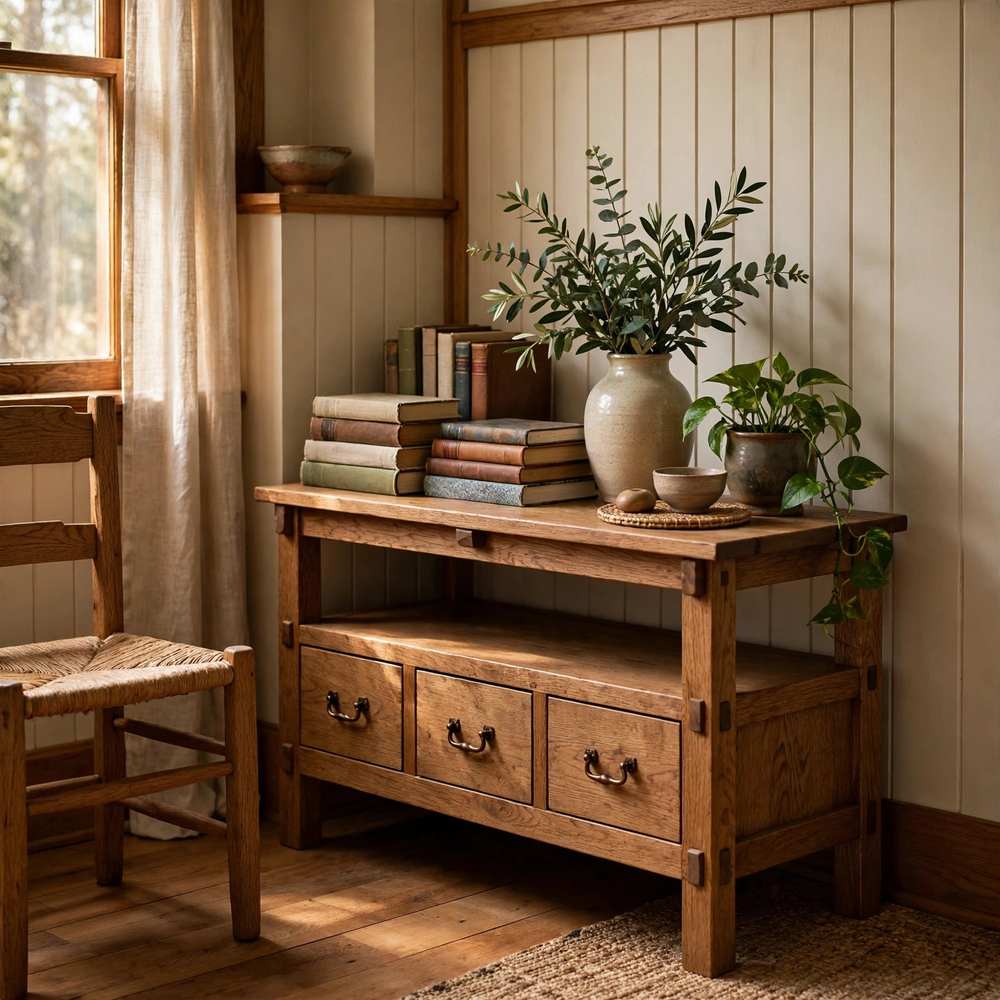
“Have nothing in your house that you do not know to be useful, or believe to be beautiful.” — William Morris
Morris, the great Victorian designer, gave us the golden rule of decorating over a century ago. Every object should earn its place one of two ways: it does a job, or it lifts your heart. Anything that does neither is just clutter.
How to use it:
- Walk one room with a box and remove anything neither useful nor loved
- Before buying, ask which of the two jobs the new thing will do
- Display beautiful things properly instead of hiding them away
Tip: Start with one shelf or sideboard, not the whole house.
2) Elsie de Wolfe — Make Everything Beautiful
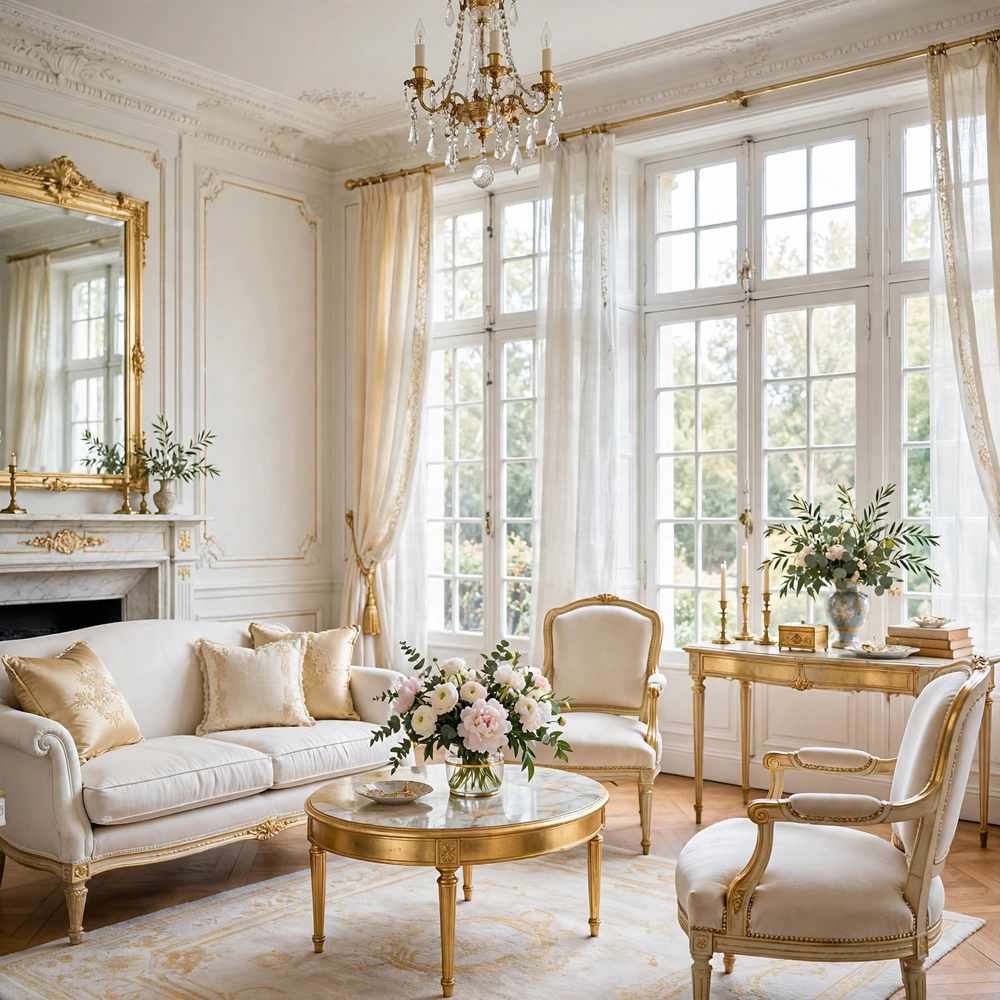
“I am going to make everything around me beautiful — that will be my life.” — Elsie de Wolfe
De Wolfe is often called the first professional interior decorator, and this joyful line sums up her approach. Beauty, for her, was no luxury for grand houses; it was a daily habit, applied to every corner, from her light, airy rooms to the tray for your morning tea.
How to use it:
- Choose the prettier option for everyday things: the nice jug, the linen napkins
- Add one beautiful moment to a practical space, like a plant by the sink
- Let in as much light and air as you can, as de Wolfe did
Tip: The corner that makes you sigh is your next mini project.
3) Dorothy Draper — Trust Your Eye
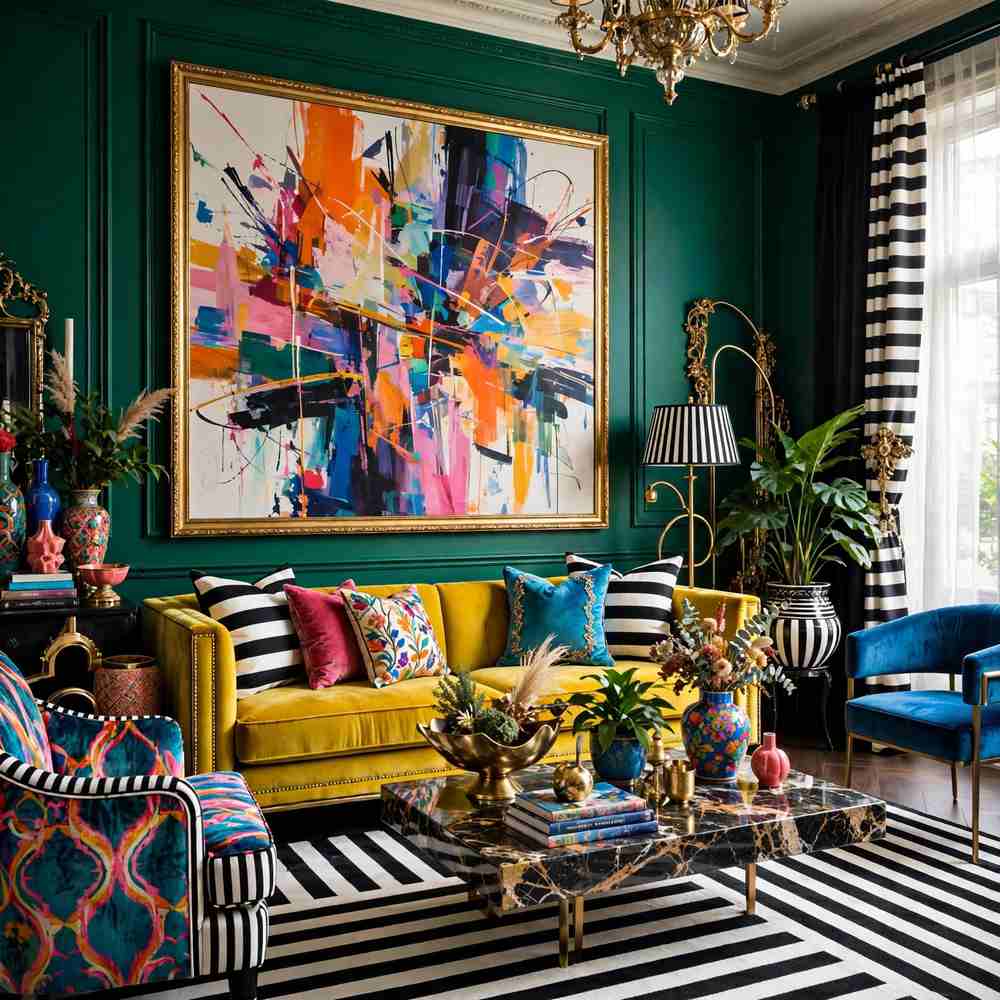
“If it looks right, it is right.” — Dorothy Draper
Draper decorated on a grand, fearless scale, with bold colour and huge confidence. Her rule frees you from anyone else’s checklist: if a combination delights your eye from the doorway, it needs no permission from a rule book.
How to use it:
- Arrange a shelf by eye, then live with it a day before adjusting
- Trust the colour pairing you keep returning to, even if it breaks the “rules”
- Go one size bigger with artwork and mirrors for Draper-style drama
Tip: Photograph the room; seeing it on a screen makes it far easier to judge.
4) Frank Lloyd Wright — Form and Function as One
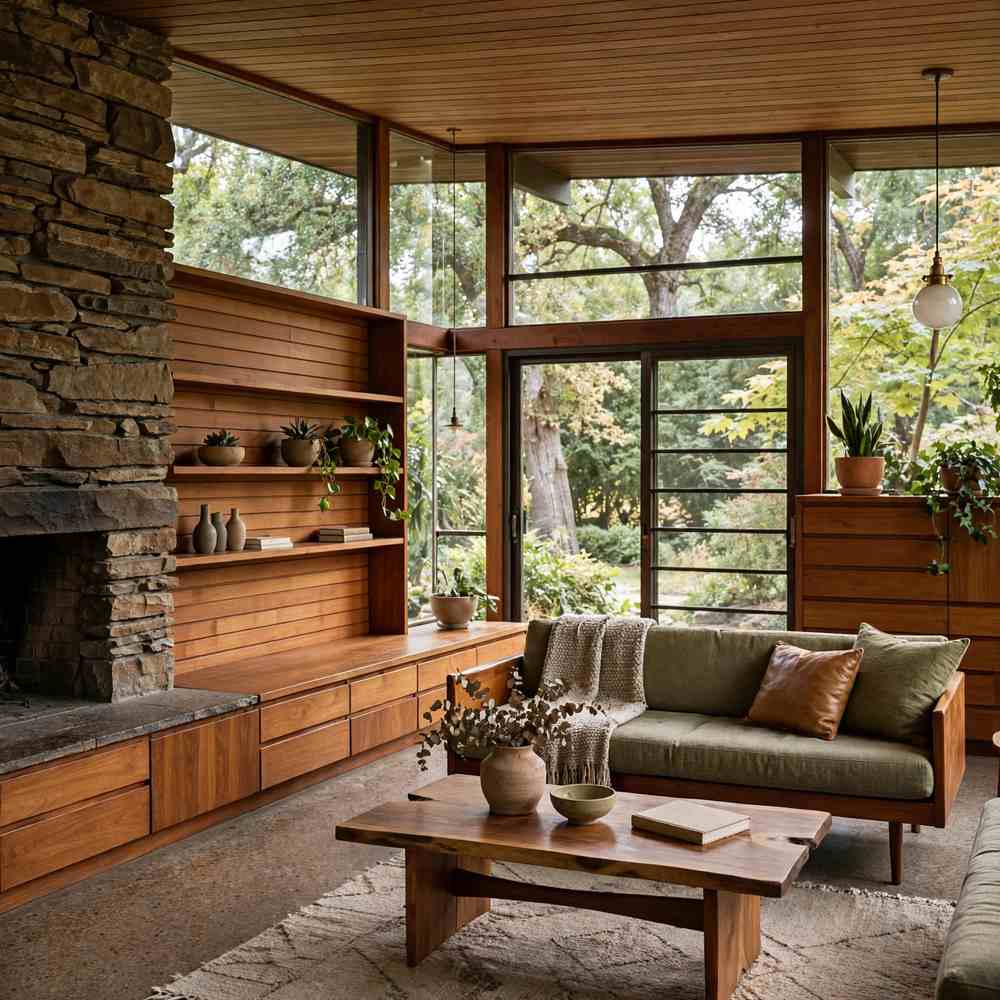
“Form follows function — that has been misunderstood. Form and function should be one, joined in a spiritual union.” — Frank Lloyd Wright
Wright is often quoted as if he wanted bare rooms, but his point was the opposite. A chair or a whole house should look the way it does because of how it is used — like his built-in furniture, made to fit the life inside.
How to use it:
- Plan each room around what happens there, not how it looks in a photo
- Choose furniture that solves a problem beautifully, like a storage footstool
- Let materials be themselves: real wood, stone and linen rarely date
Tip: If something is awkward to use daily, the layout is wrong.
5) Coco Chanel — The Soul of an Interior
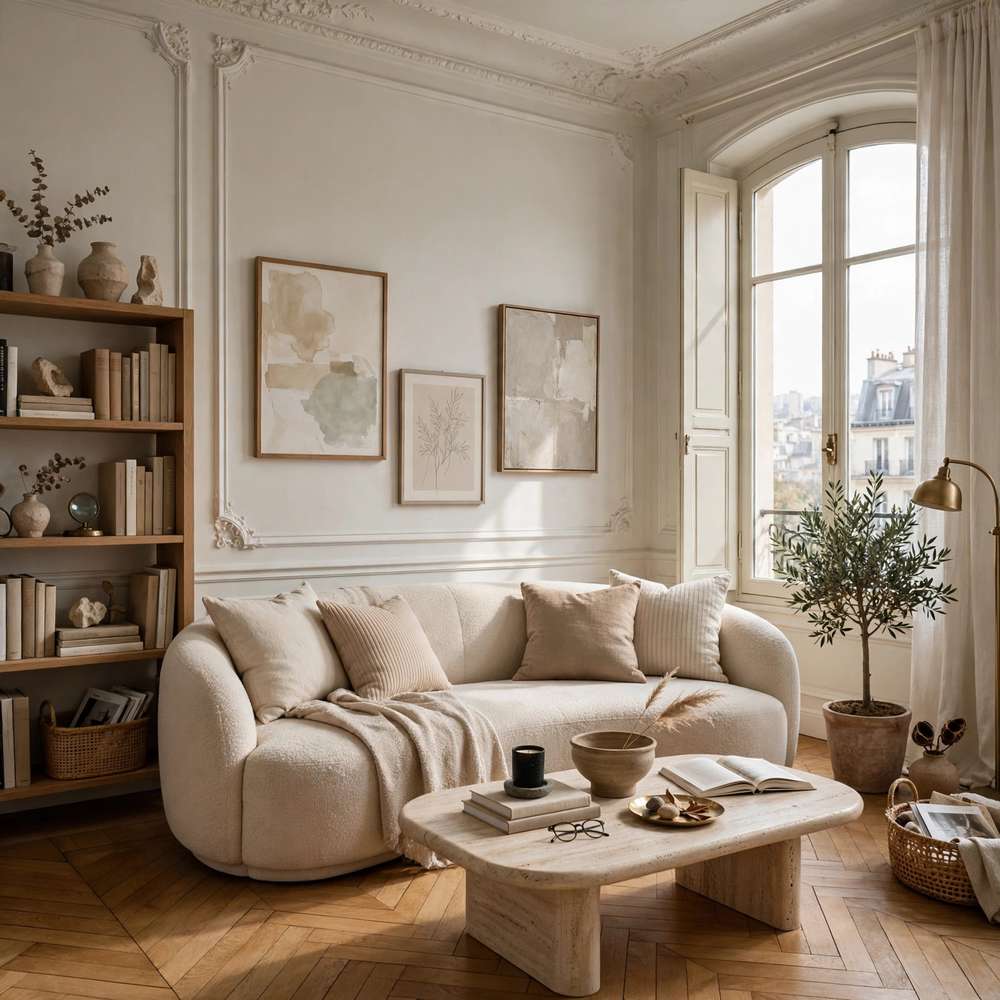
“An interior is the natural projection of the soul.” — Coco Chanel
Chanel dressed the world, but she understood rooms too. A home cannot help revealing who lives in it, so let it do so on purpose. The colours you reach for and the objects you keep are all part of your story.
How to use it:
- Pick a palette from the clothes you love wearing; it is probably already “you”
- Frame personal things — letters, tickets, sketches — as art
- Edit out anything bought only to impress others
Tip: Your best room is the one a friend walks into and says, “This is so you.”
6) Billy Baldwin — Trust Your Own Taste
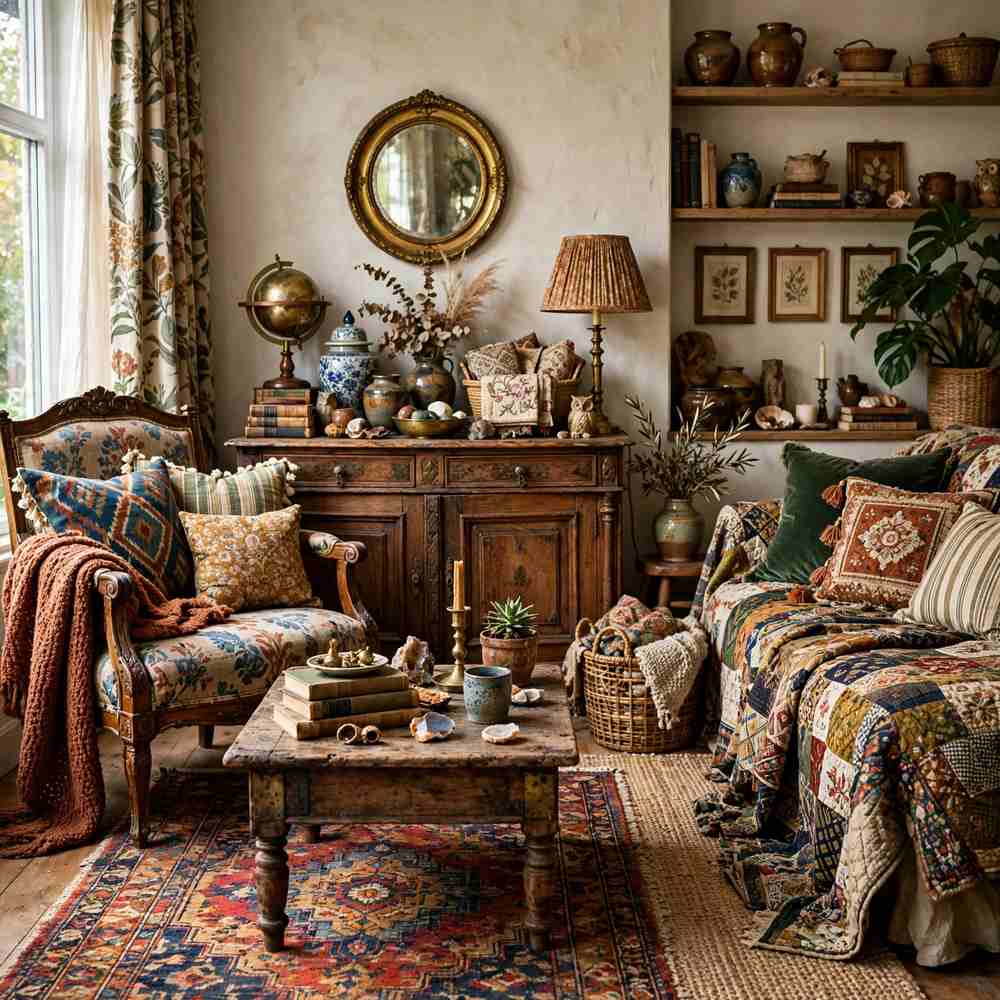
“Be faithful to your own taste, because nothing you really like is ever out of style.” — Billy Baldwin
Baldwin decorated for the most stylish people of the twentieth century, yet his advice is wonderfully democratic. Fashions circle round every decade or so, but things you genuinely love never embarrass you. A room built on real taste ages far better than one built on trends.
How to use it:
- Before following a trend, ask if you would still like it in five years
- Keep a phone list of colours and materials you always love
- Buy the best version you can afford of the things on that list
Tip: Trends are fine as seasoning; let lasting taste choose the big pieces.
7) David Hicks — Rooms That Speak
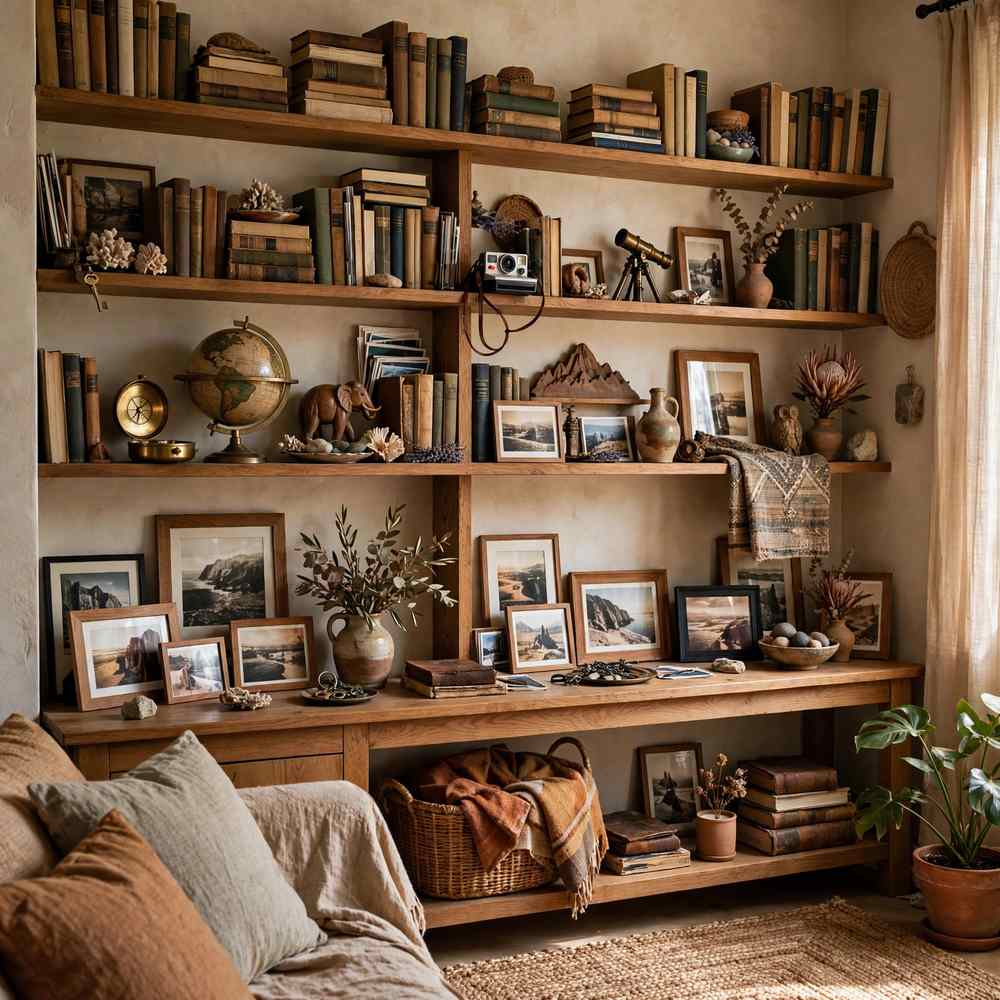
“The best rooms have something to say about the people who live in them.” — David Hicks
Hicks, the British designer who brought bold pattern into classic English rooms, believed a home should be a portrait. Books, travel objects, the chair inherited from your grandmother — these tell visitors who you are before you say a word.
How to use it:
- Give collections a proper home on open shelves, not in boxes
- Mix one or two inherited or second-hand pieces into every room
- Let hobbies show: instruments, cameras and craft tools all display well
Tip: If a stranger could guess nothing about you from a room, it needs more of you in it.
8) Albert Hadley — Design Is About People
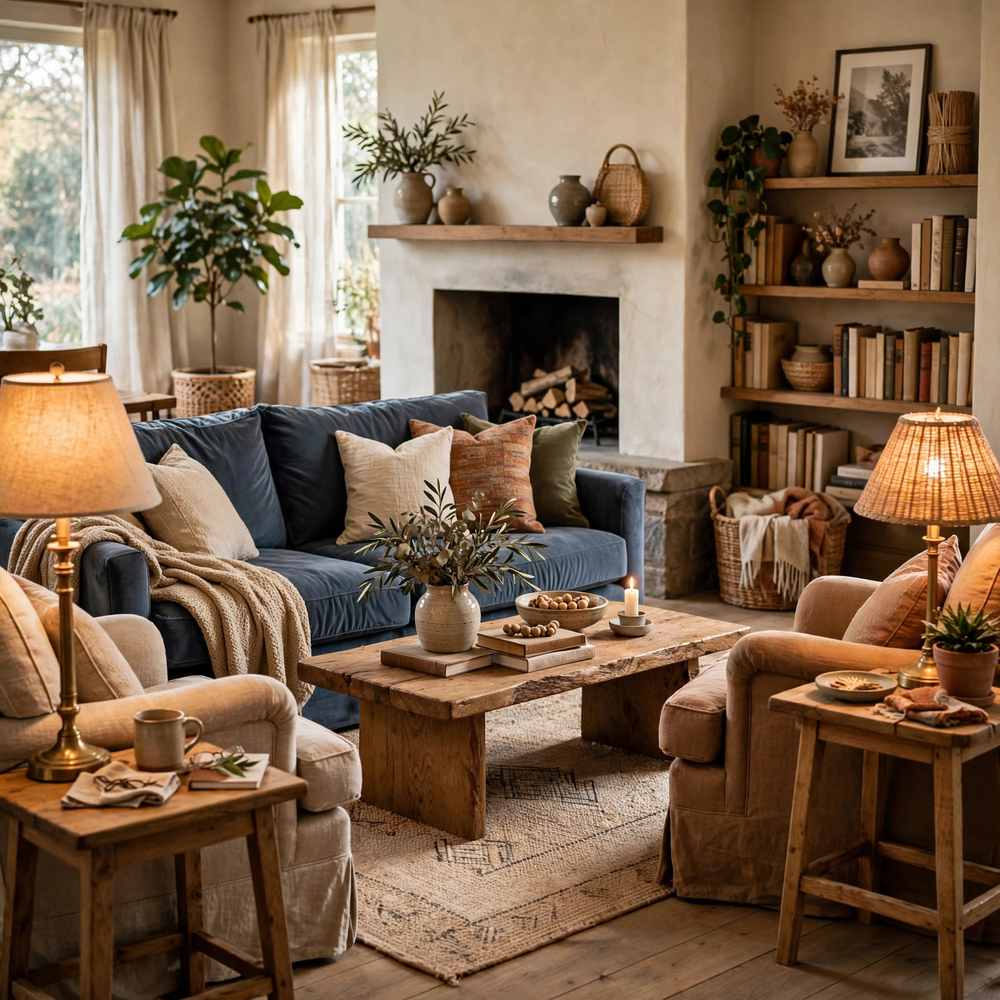
“The essence of interior design will always be about people and how they live.” — Albert Hadley
Hadley was one of America’s most respected decorators, and his wisdom corrects decorating for show. A beautiful room nobody dares sit in has failed; rooms that work are planned around real life. If you are planning a sitting room around that idea, these cosy living room ideas show comfort and style sitting happily together.
How to use it:
- Count the seats honestly: can everyone who gathers here sit down?
- Put a table and a lamp within reach of every favourite chair
- Choose washable, forgiving fabrics where children and pets rule
Tip: Watch how your family uses a room for a week before rearranging it.
9) Charles Eames — Details Make the Design
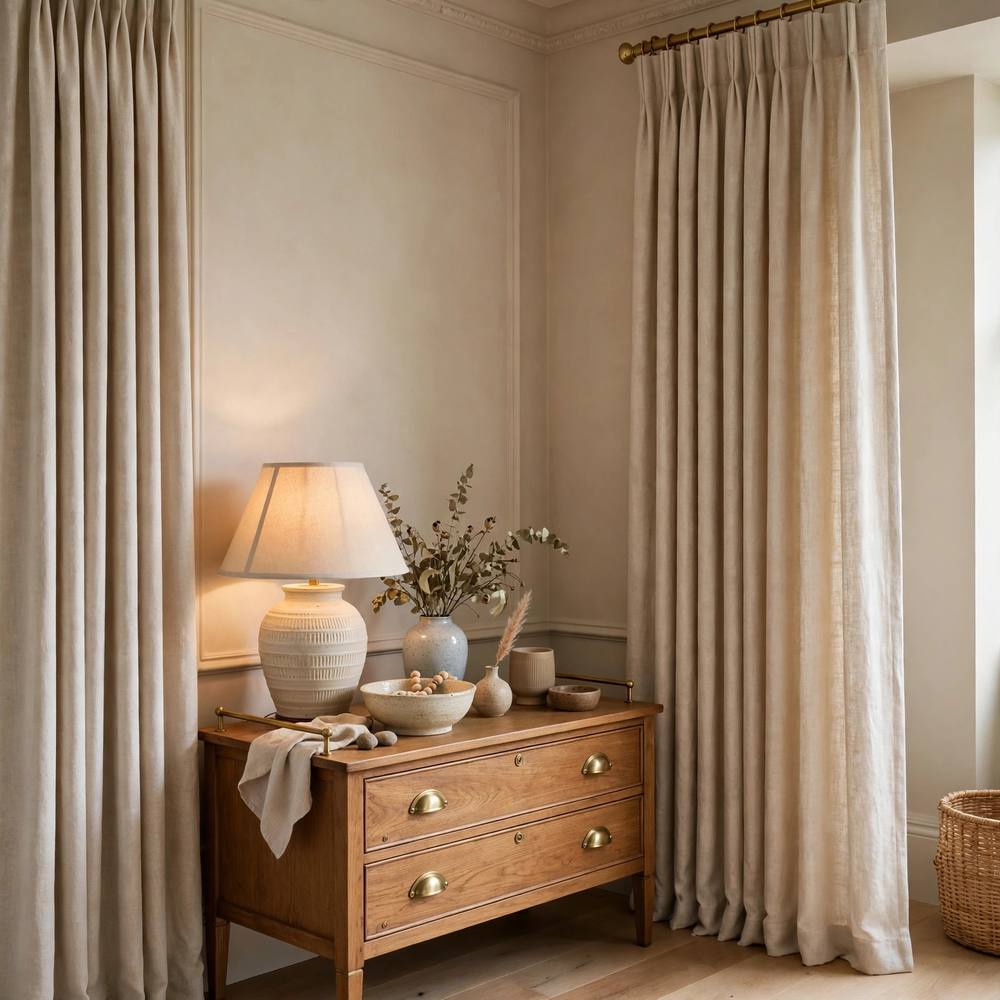
“The details are not the details. They make the design.” — Charles Eames
Eames and his wife Ray designed furniture the world still copies, and this line explains why it feels so right. A room is rarely ruined by its big pieces; it is let down by small ones nobody chose with care — the ugly switch plate, the short curtain, the trailing cable.
How to use it:
- Upgrade one small thing monthly: handles, lampshades, switch plates, cushion inners
- Hang curtains high and wide; it changes a room more than paint
- Tidy away cables and chargers so the eye can rest
Tip: Plump cushions are the cheapest detail upgrade there is.
10) Louis Kahn — A Room Needs Natural Light
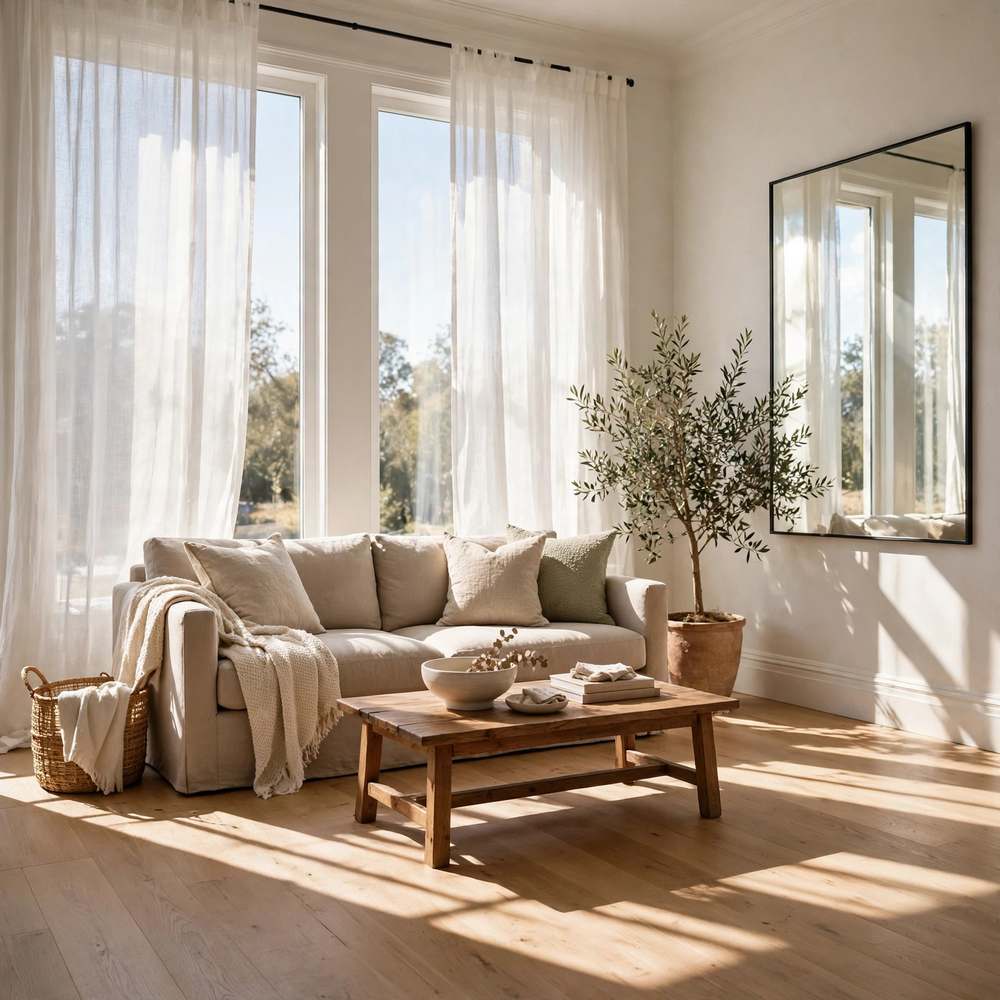
“A room is not a room without natural light.” — Louis Kahn
Kahn treated daylight as a building material, and he has a point for decorators too: no lamp does what a window does. Before spending on a dull room, check how much of its natural light is blocked or wasted — the fix is often free.
How to use it:
- Swap heavy curtains for sheers or blinds that pull clear of the glass
- Hang a mirror opposite a window to bounce light deeper in
- Keep windowsills clear and the glass clean, inside and out
Tip: Pale, soft-sheen ceiling paint transforms a north-facing room.
11) Ludwig Mies van der Rohe — Less Is More
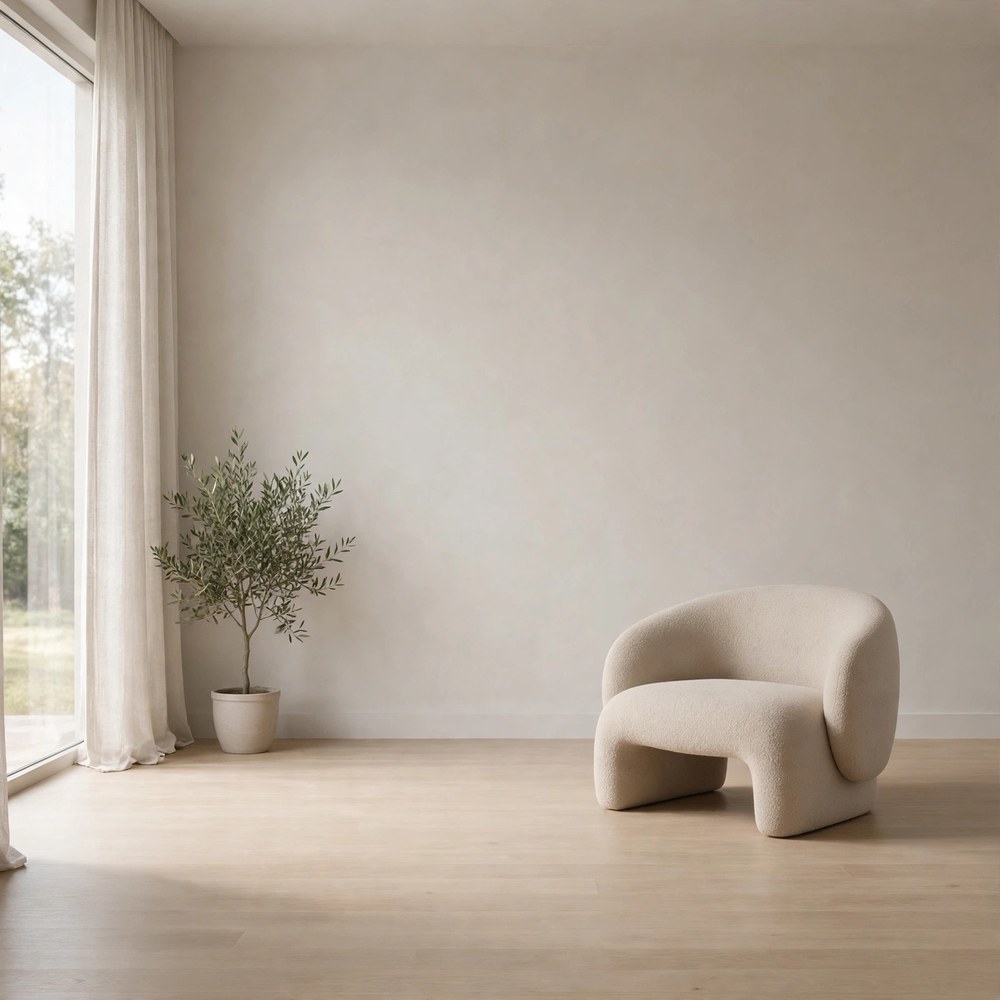
“Less is more.” — Ludwig Mies van der Rohe
Three small words that launched a thousand calm rooms. Mies, a pioneer of modern architecture, argued that removing the unnecessary reveals the beautiful. You do not need a stark white box to use his idea — it simply means every piece is there on purpose, with space to breathe.
How to use it:
- Clear every surface, then put back only a third of it
- Choose one statement piece per room and let the rest stay quiet
- Keep a clear path through every room; space to move feels luxurious
Tip: Photograph the room, remove three things, photograph again — the second picture usually wins.
12) Le Corbusier — A Treasure Chest of Living
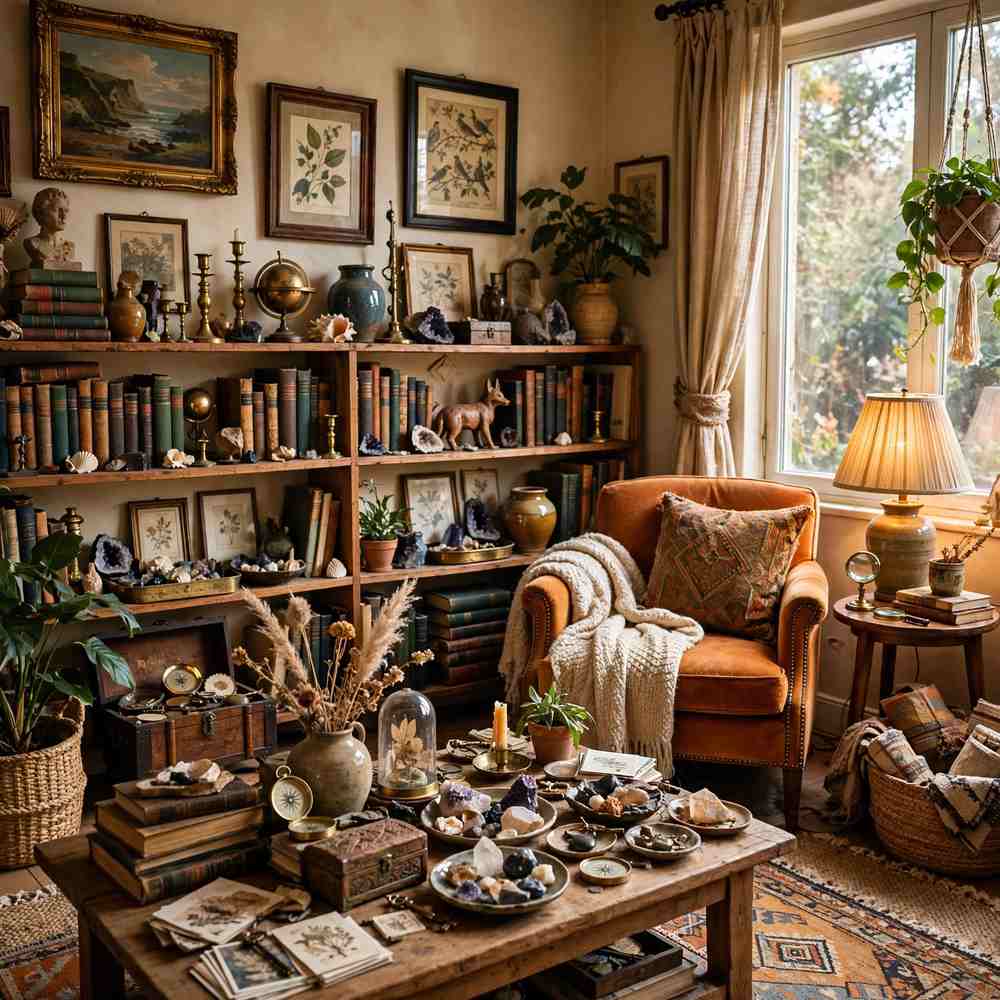
“The home should be the treasure chest of living.” — Le Corbusier
Le Corbusier is remembered for stark modern buildings, yet this tender line reveals a warmer truth: a home should hold your life like a treasure chest holds precious things. Books, music, art — a home that stores your living well beats any show home.
How to use it:
- Build storage around your treasures: shelves for books, a cabinet for china
- Keep things you use for joy — instruments, games, craft kit — easy to reach
- Add one small luxury to a daily ritual, like a beautiful coffee tray
Tip: A home full of life also needs good hiding places for the clutter.
13) Nate Berkus — Tell Your Story
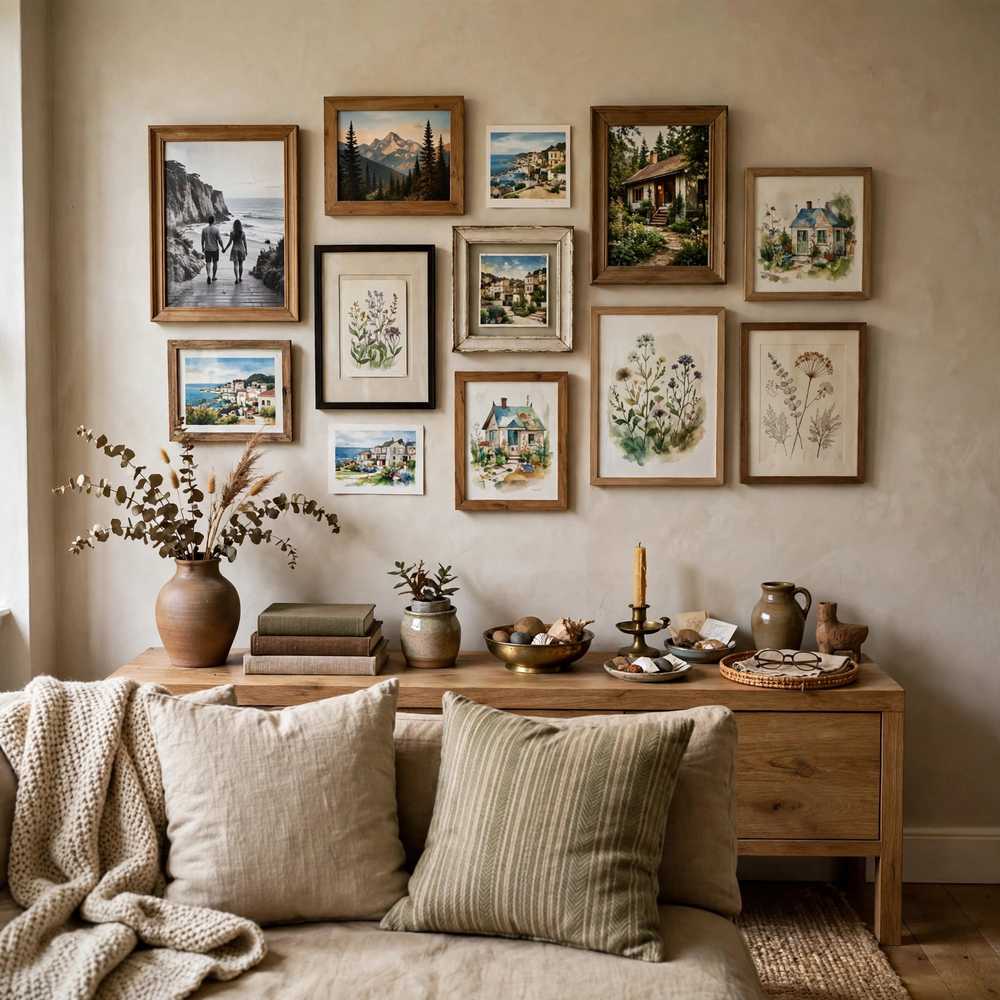
“Your home should tell the story of who you are, and be a collection of what you love.” — Nate Berkus
Berkus built his career on this generous idea. A home is not a showroom or a copy of someone else’s feed; it is your autobiography in objects. The shell from a beach holiday, the poster from your first flat, the bowl a friend made — together, they are the décor.
How to use it:
- Start a small gallery wall of your own photos and postcards
- Buy souvenirs you will actually display, not trinkets you will ignore
- Between the fashionable piece and the meaningful one, choose meaning
Tip: Group collected objects in threes or fives to turn a jumble into a display.
14) Kelly Wearstler — Live With Colour
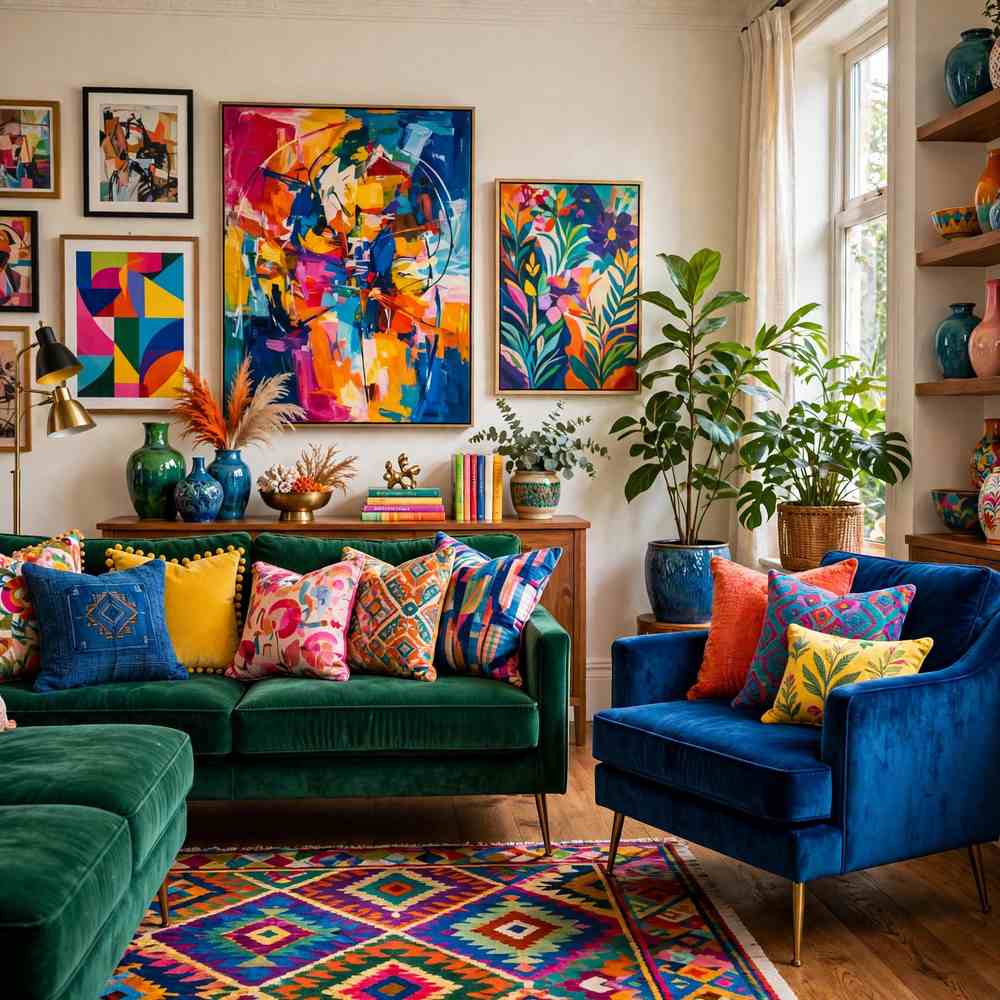
“Living without colour is like living without love.” — Kelly Wearstler
Wearstler’s rooms are famous for their courage: jewel tones, bold pattern and glamorous finishes. Her rallying cry is for anyone who painted everything safe beige “for resale” and ended up in a home that stirs nothing. Colour is emotion in a room; even a little changes its feel.
How to use it:
- Introduce colour in changeable layers: cushions, throws, art, then paint
- Try one brave colour in your smallest room first, like a hallway
- Repeat a colour three times in a room so it looks deliberate
Tip: Nervous about bedroom colour? Borrow the palette from these earthy bedroom decorating ideas — warm, natural shades are brave but gentle.
15) Miles Redd — Buy the Best
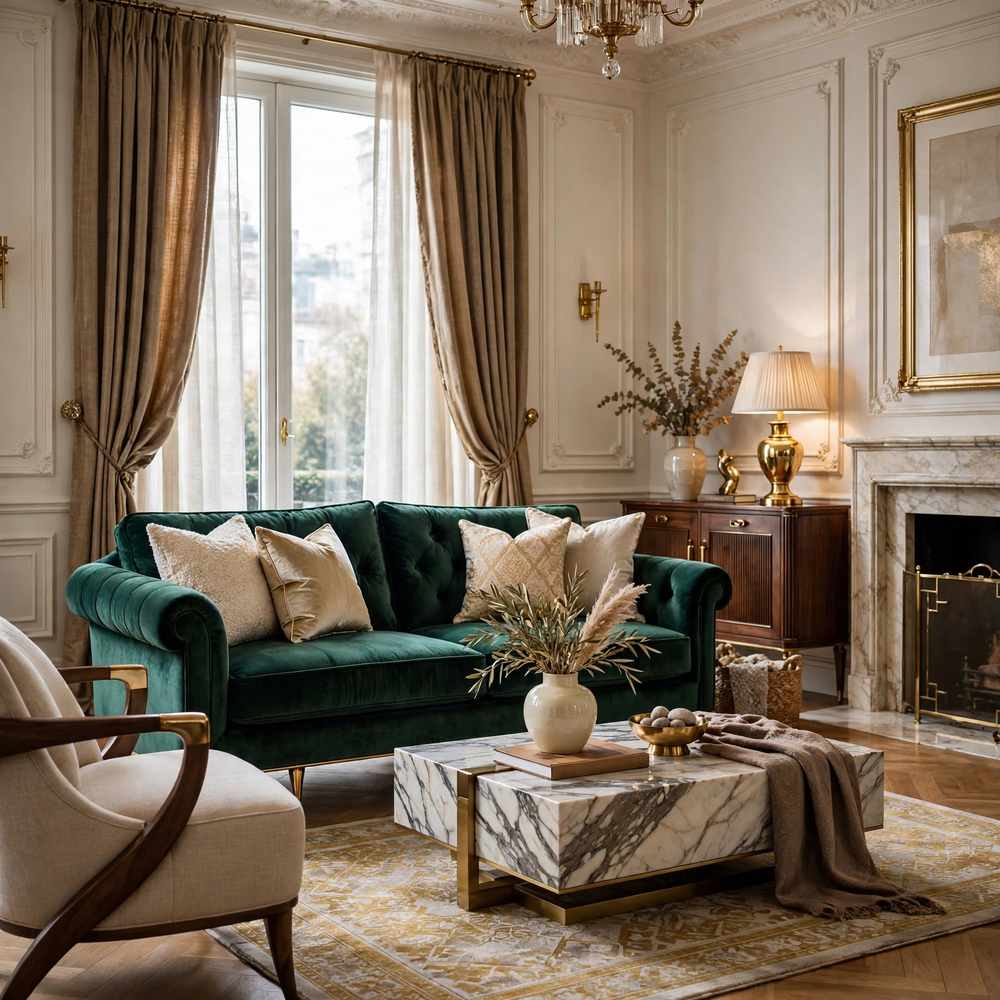
“Buy the best, and you’ll only cry once.” — Miles Redd
Redd, known for glamorous, joyful rooms, is refreshingly honest about money. His point is not that every home needs expensive things; the cheapest version of a big item often disappoints and gets replaced, costing more than the good one would have. One excellent sofa beats three mediocre ones.
How to use it:
- Spend first on pieces you touch daily: sofa, mattress, dining chairs
- Save on things easy to change, like cushions and lampshades
- Wait and save for the right piece rather than a “for now” buy
Tip: An empty corner for months beats the wrong piece for years.
16) Bunny Williams — Love It and It Works
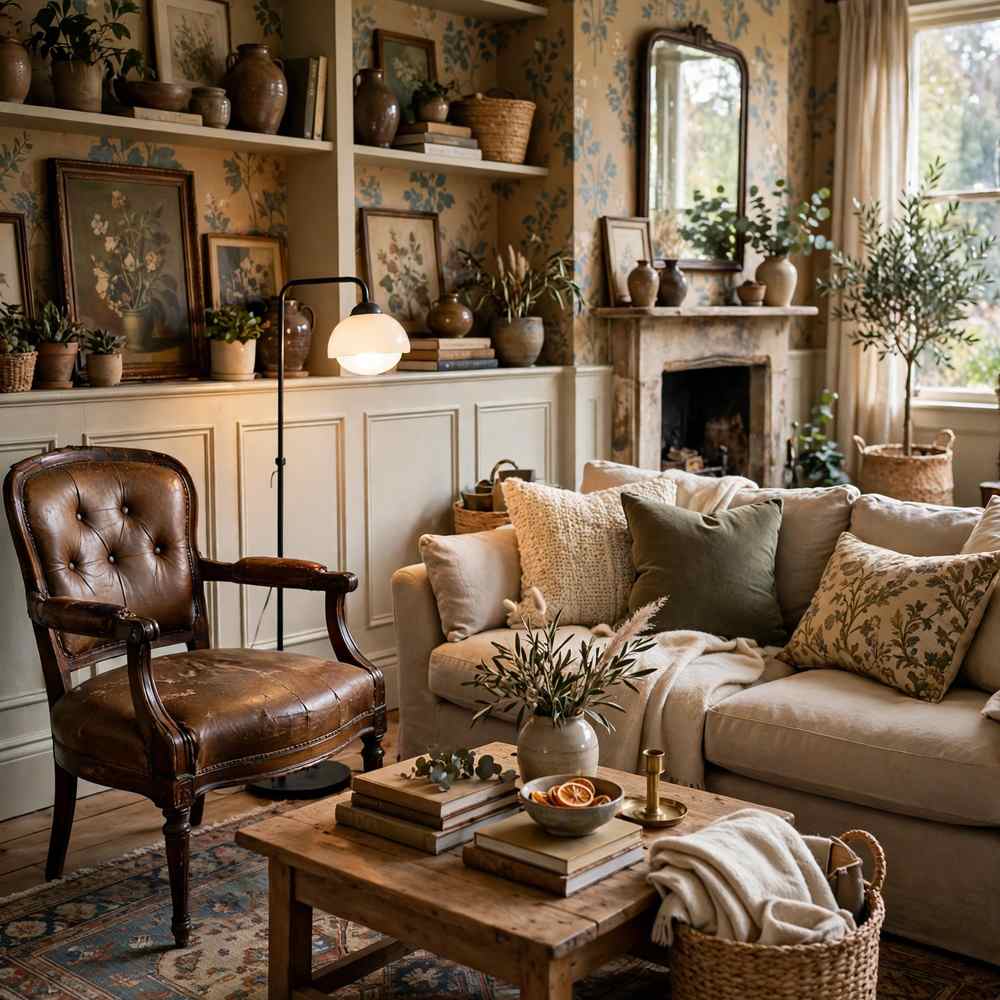
“If you love something, it will work. That’s the only real rule.” — Bunny Williams
Williams creates some of America’s most comfortable, collected rooms, and this is her philosophy in one line. Worrying whether the antique chair “goes with” the modern lamp misses the point: rooms held together by affection have their own logic, and guests never want to leave them.
How to use it:
- Stop asking whether pieces match; ask whether you love each one
- Unite mixed pieces with a shared colour or material, like wood or brass
- Let comfort settle arguments: the loved, squashy chair beats the stiff one
Tip: Every room needs one thing that is there purely to make you smile.
17) Charlotte Moss — A Story Waiting to Happen
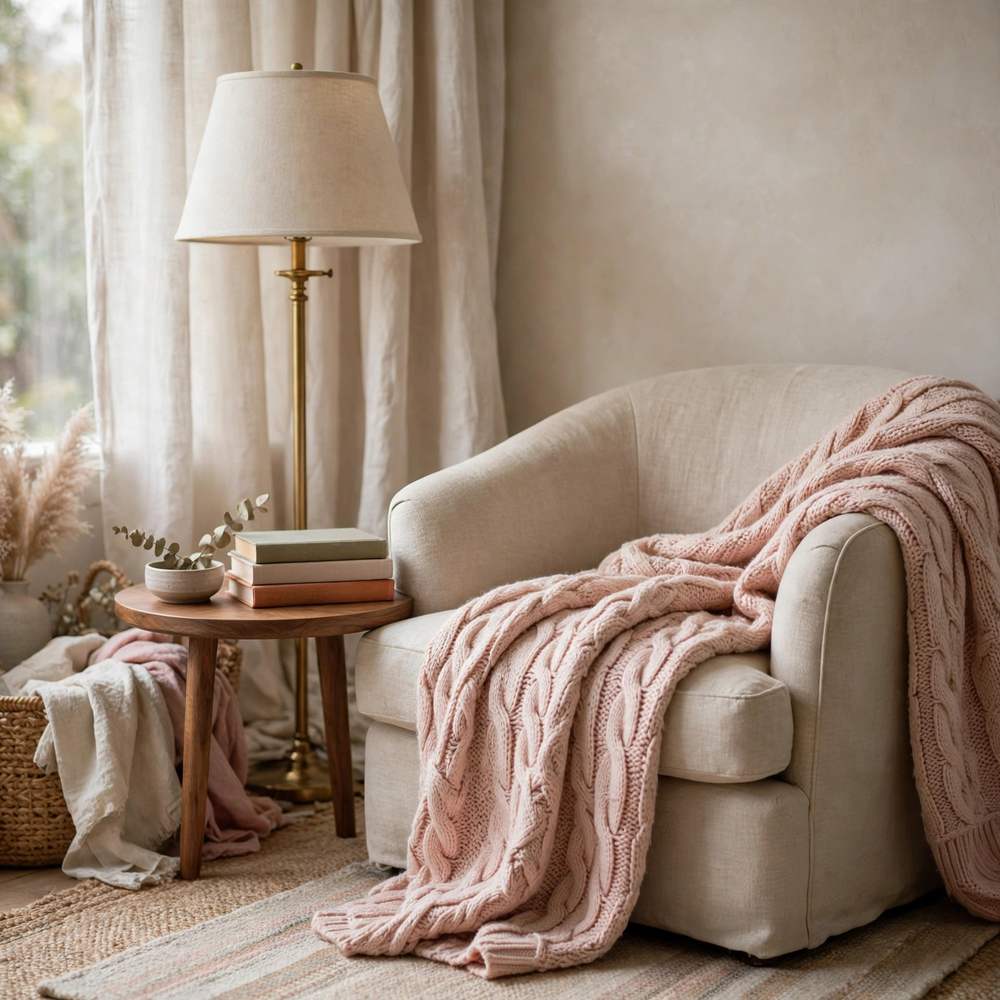
“An empty room is a story waiting to happen.” — Charlotte Moss
We end with the most encouraging thought of all, from a designer of romantic, layered rooms. An empty room — or a tired one — is not a problem; it is an unwritten page, and you write the next chapter whenever you are ready.
How to use it:
- Stand in your emptiest room and decide its story before buying anything
- Build in layers: paint, then furniture, then textiles, then objects
- Leave one small space unfinished, so the room can keep evolving
Tip: A chair, a lamp and a small table make a complete story in a square metre.
How to Use Interior Design Quotes as Decorating Guidance
A good quote is more than a pretty sentence; it is a decision-making tool. Stuck between two paint colours or three sofas? Run the choice past your chosen guide. Morris devotees ask, “Is it useful or beautiful?” Berkus fans ask, “Does it tell my story?” The answer usually appears in seconds.
Pick one quote per project and write it at the top of your mood board; it keeps you honest when shops push things that do not belong in your story. If your next project is a bedroom, this method pairs beautifully with the latest bedroom trends, helping you pick ideas that suit your home rather than copying a whole look.
Where to Keep Your Favourite Interior Design Quotes
Quotes only help if you see them, so give your favourites a home. Frame the one that guides you most where you plan and dream — above a desk or inside a wardrobe door. As a phone wallpaper it works too: a daily glimpse of “less is more” has saved many an impulse buy.
Conclusion
Seventeen designers, seventeen temperaments, and one shared message: a home should serve your life and express your heart. From Morris’s rule to Moss’s story, the wisdom holds because it was always about people, not perfection.
You do not have to act on all 17 ideas at once. Choose the quote that made you nod and let it guide one small change — a cleared shelf, a braver colour, a beloved object given pride of place. Real homes improve one loved decision at a time.
When friends ask how your rooms feel so much more like you, smile and pass on the secret: you had advice from the very best. Happy decorating.




More Stories
20 DIY Garage Workshop Ideas to Transform Your Space
16 Outdoor Christmas Decorating Ideas
18 DIY Landscape Design Ideas on a Budget