
Introduction
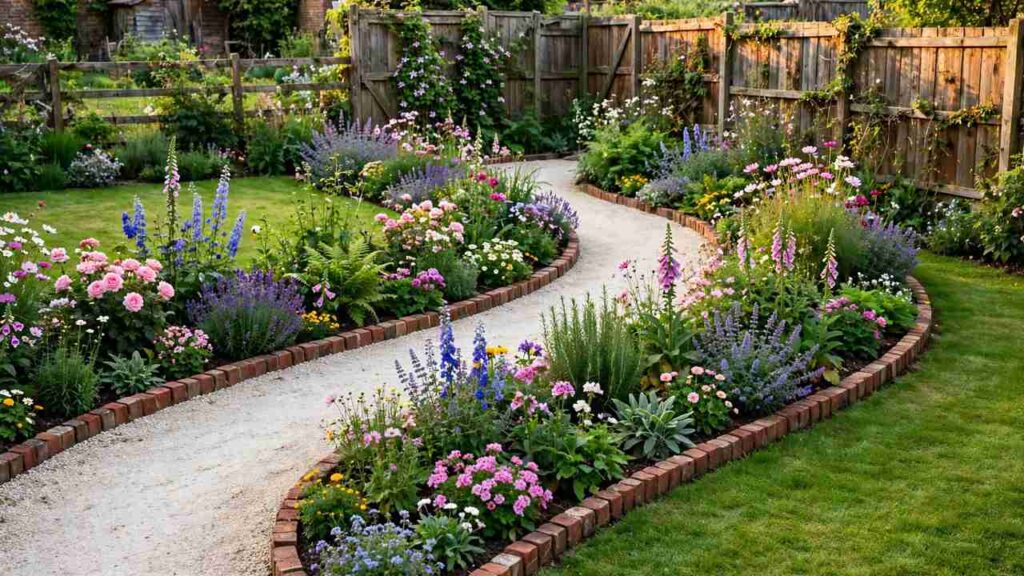
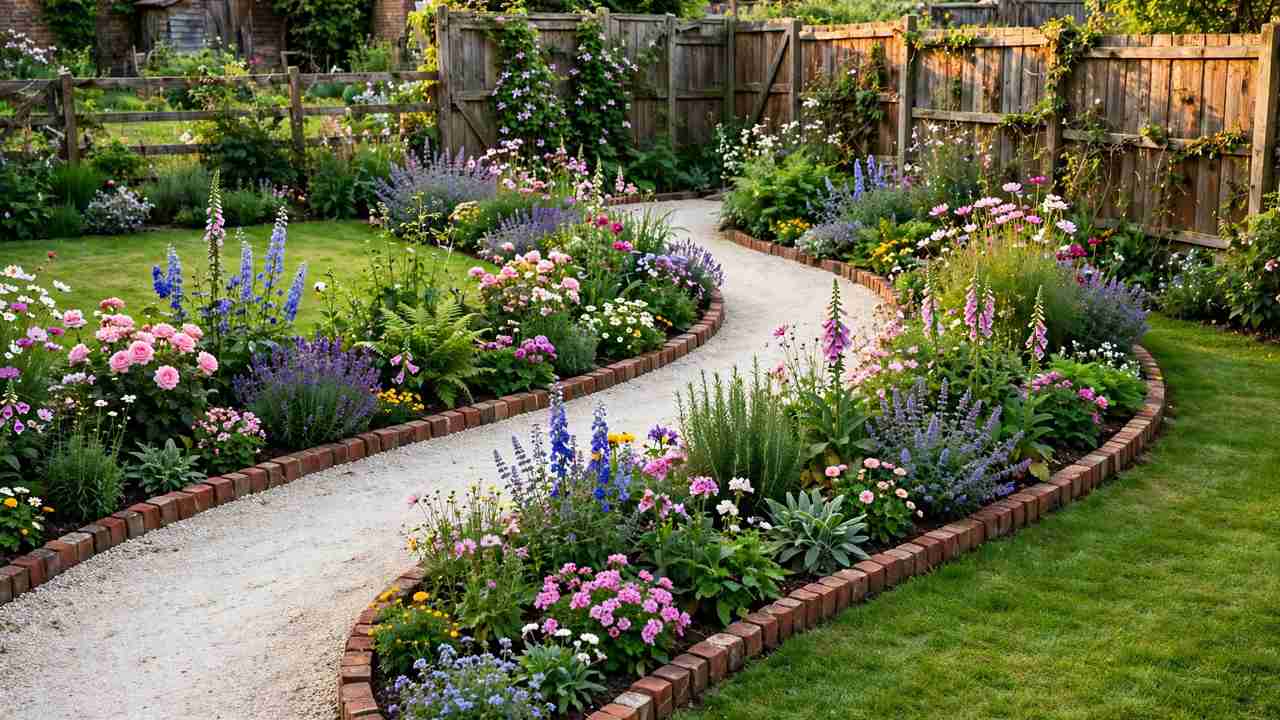
You step outside with a cup of tea and see a plain lawn, a tired fence and one lonely shrub. A landscaped garden feels like it belongs to someone else’s budget, but most designer gardens are just small, cheap decisions made in the right order. That is exactly what good diy landscape design ideas are: simple projects, honest materials and a little patience.
Almost everything here uses what you already have, what neighbours are giving away, or what costs a few pounds at most. Offcuts, reclaimed bricks, seed packets and paint do the heavy lifting.
In this guide, you will find 18 ideas that build on each other, from marking out new beds to the final layer of mulch, each with simple steps and a practical tip.
1) Mark Out New Beds With String and Canes
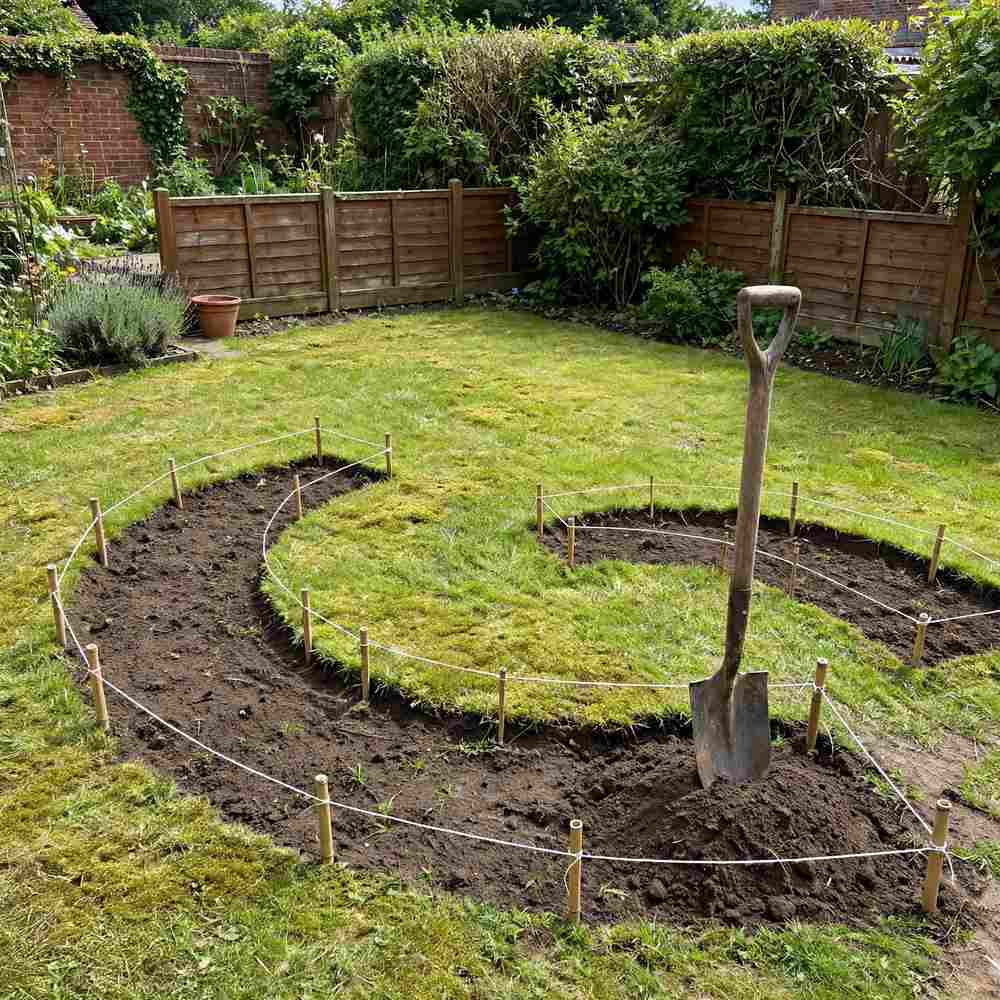
Every makeover starts with a shape, and the cheapest design tool in the world is a ball of string. Push bamboo canes into the lawn, run string between them, and outline new beds in gentle curves, not stiff straight lines.
Live with the outline for a few days first. View it from the kitchen window and nudge the canes until the shapes feel generous.
Why it works:
- Curves make a small garden feel bigger
- You can change your mind for free
- Wide beds look lush; skinny borders look mean
Tip: use a garden hose for curves. It holds a smooth line that is easier to judge.
2) Lay a Winding Gravel Path
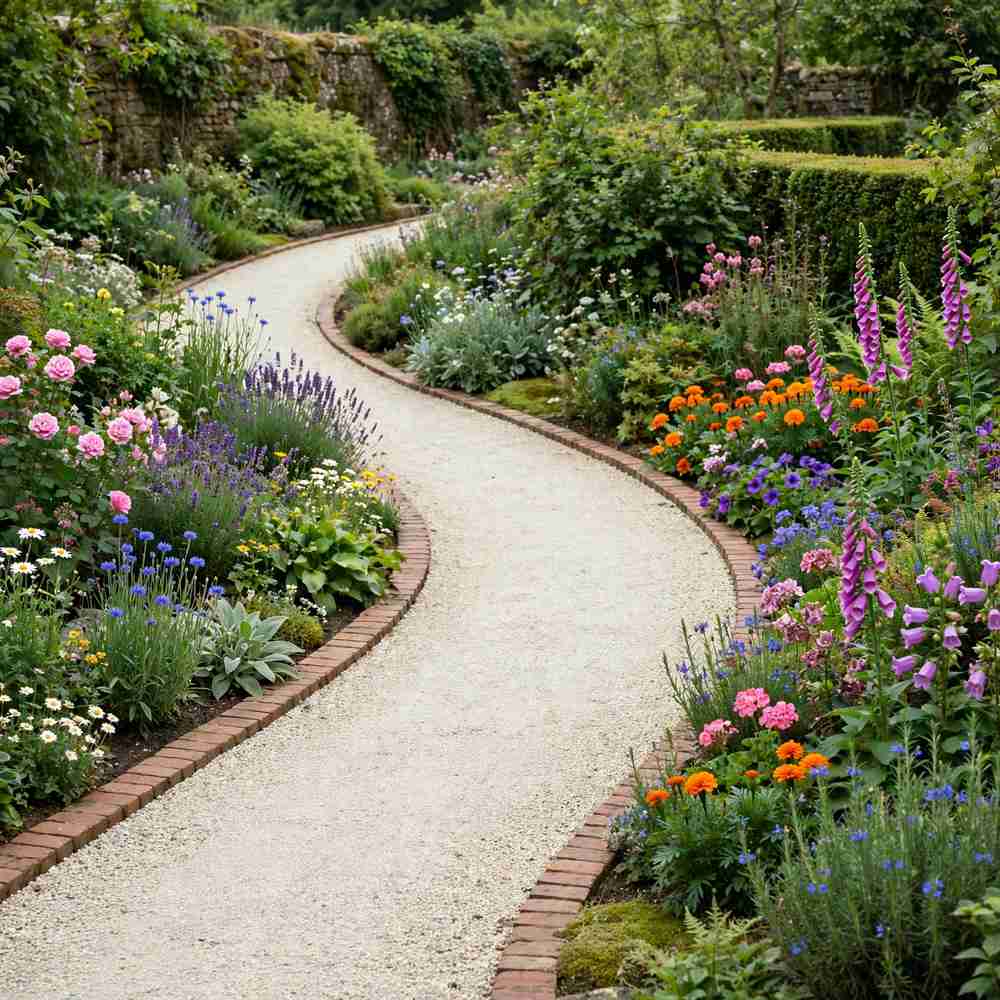
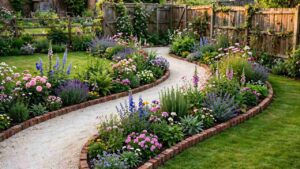
A path gives a garden its journey, and gravel is the friendliest surface for a beginner. Dig a shallow route, lay weed membrane, edge it, then tip in gravel and rake level. No cement, no specialist tools.
Let the path wander rather than marching straight to the shed. A gentle curve hides the end from view and makes the garden feel twice as deep.
Best for:
- Long, narrow gardens that feel like corridors
- Muddy shortcuts you already walk daily
- A big change in a single weekend
Tip: end your path at a bench, arch or favourite tree so it feels like a destination.
3) Edge Your Beds With Reclaimed Bricks
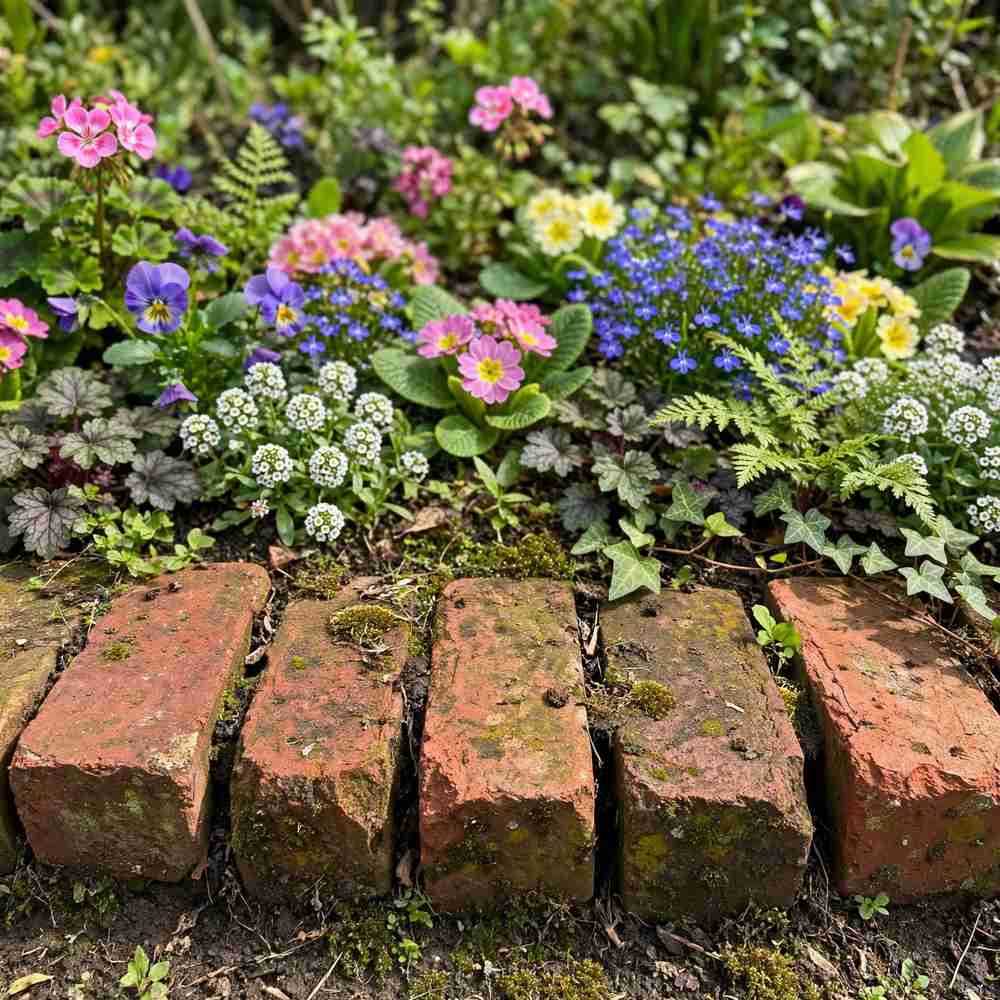
Crisp edges separate a garden that looks designed from one that looks accidental. Reclaimed bricks, set on their sides in a shallow trench, make a classic edge that suits almost any home.
Old bricks turn up constantly in skips and free listings, so a whole garden’s edging can cost nothing but an afternoon.
Why it works:
- Stops grass creeping into beds
- Gives mowing a clean line to follow
- Looks better with age, not worse
Tip: knock each brick level with a mallet and a short plank. Even heights look professional.
4) Grow Your Plants From Seed
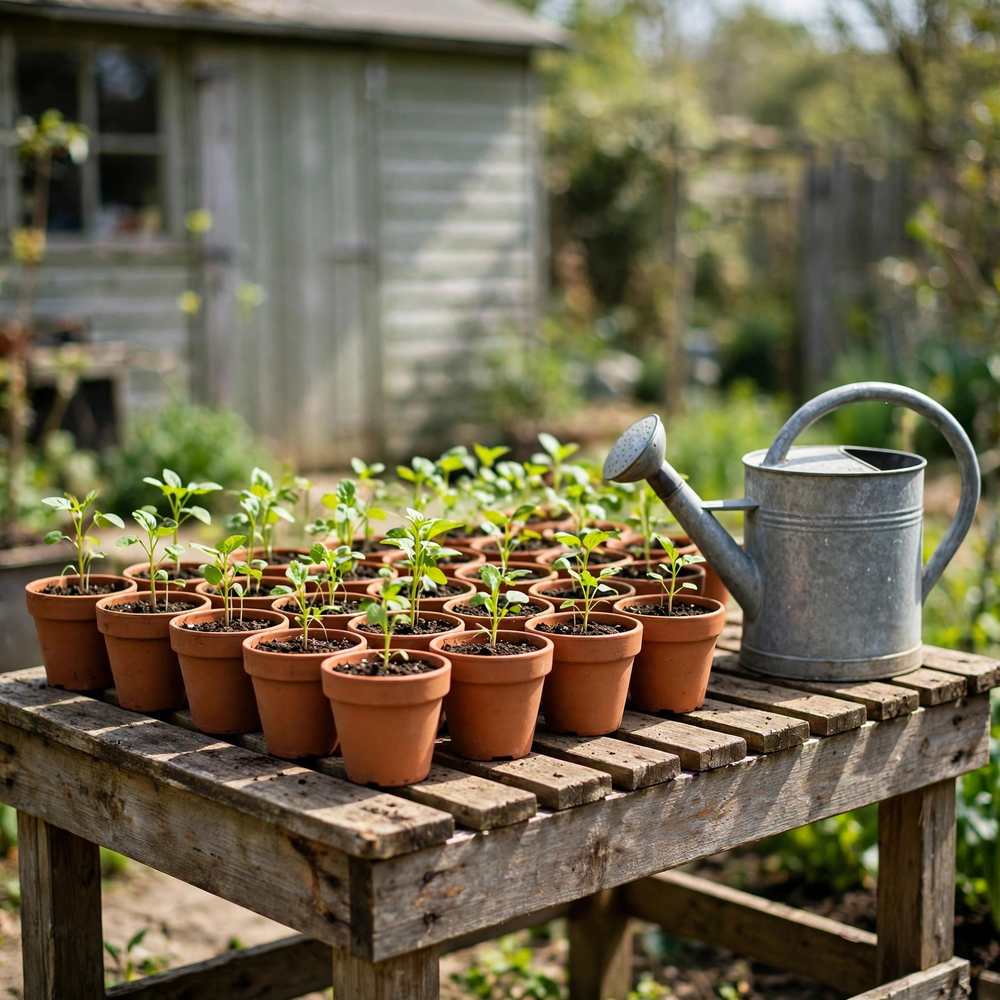
One pot-grown perennial can cost the same as ten packets of seed, each holding a whole bed’s worth of plants. Sowing seed is the biggest money-saver in gardening, and easier than beginners expect.
Start with forgiving flowers such as cosmos, calendula, nigella and sweet peas. Sow in trays, keep them watered, and plant out once sturdy.
Best for:
- Filling large new beds cheaply
- Flowers for cutting and bringing indoors
- Gardeners happy to plan a season ahead
Tip: sow half the packet now, half in a few weeks, for a longer display and a spare batch.
5) Divide Perennials for Free Plants
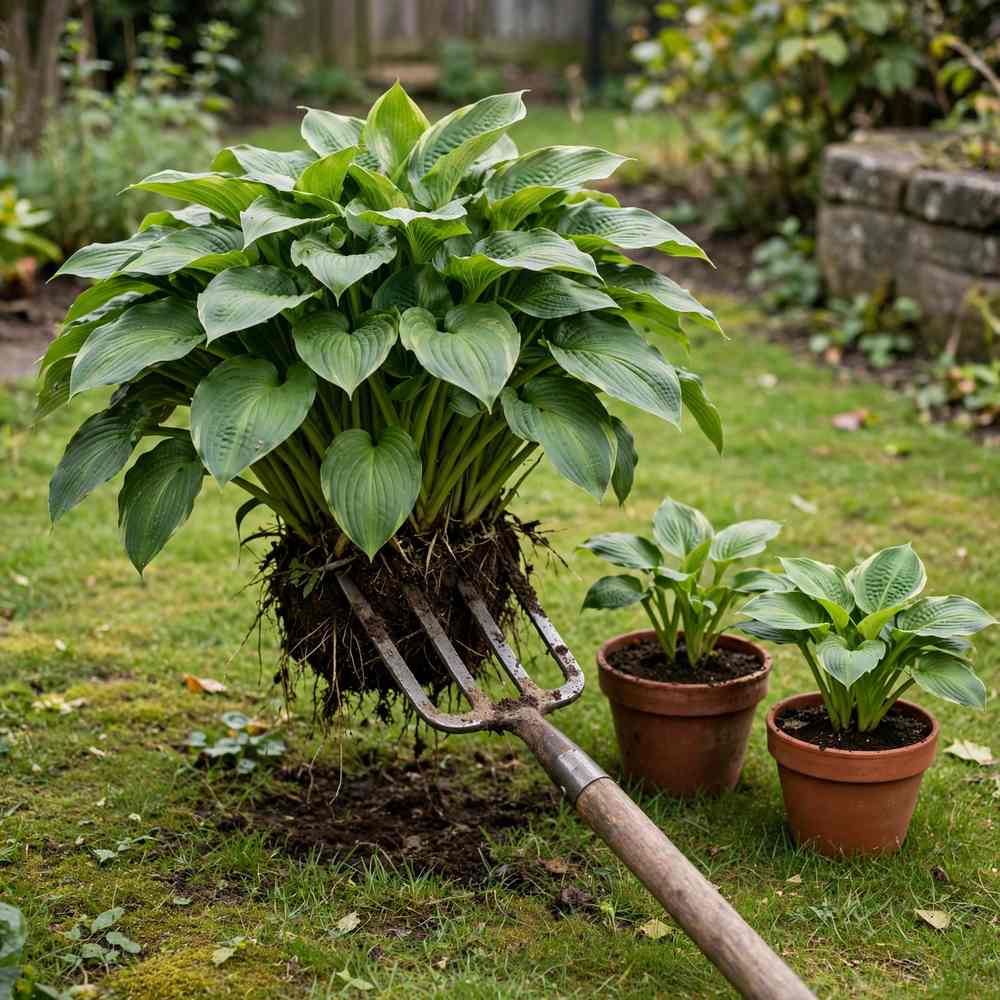
Established clump-forming plants are quietly multiplying in your beds right now. Lift a big clump of hosta, daylily or hardy geranium, split it with two forks back to back, and you have new plants for nothing.
Division also restores the parent plant’s flower power. Replant at once, water well, and one plant can edge a whole path within two seasons.
Why it works:
- Free plants that already suit your soil
- Repeating one plant looks designed
- Older clumps flower better after dividing
Tip: ask neighbours what they are dividing this season. Plant swaps are the friendliest free plants there are.
6) Sow a Wildflower Patch
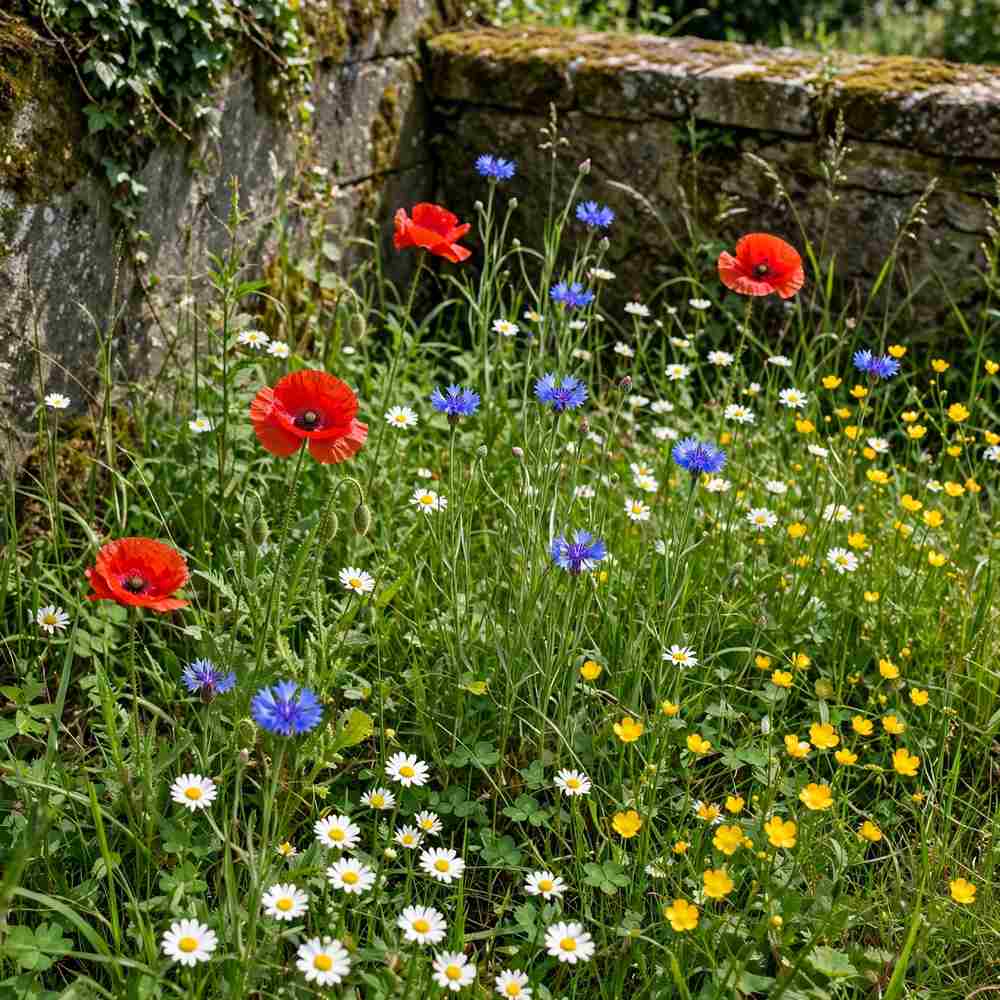
For the price of one seed mix, an awkward corner becomes the most alive part of the garden. Rake the soil bare, scatter a cornfield annual mix, tread it in, and let poppies, cornflowers and daisies do the rest.
Wildflower patches need almost no feeding or watering and hum with bees all summer. Choose your sunniest, least-loved spot; wildflowers prefer poor soil.
Best for:
- Bare corners and awkward strips
- Wildlife lovers and busy gardeners
- Colour from early summer to autumn
Tip: cut the patch in late summer and leave clippings a few days so seeds drop for next year.
7) Build Raised Beds From Pallets
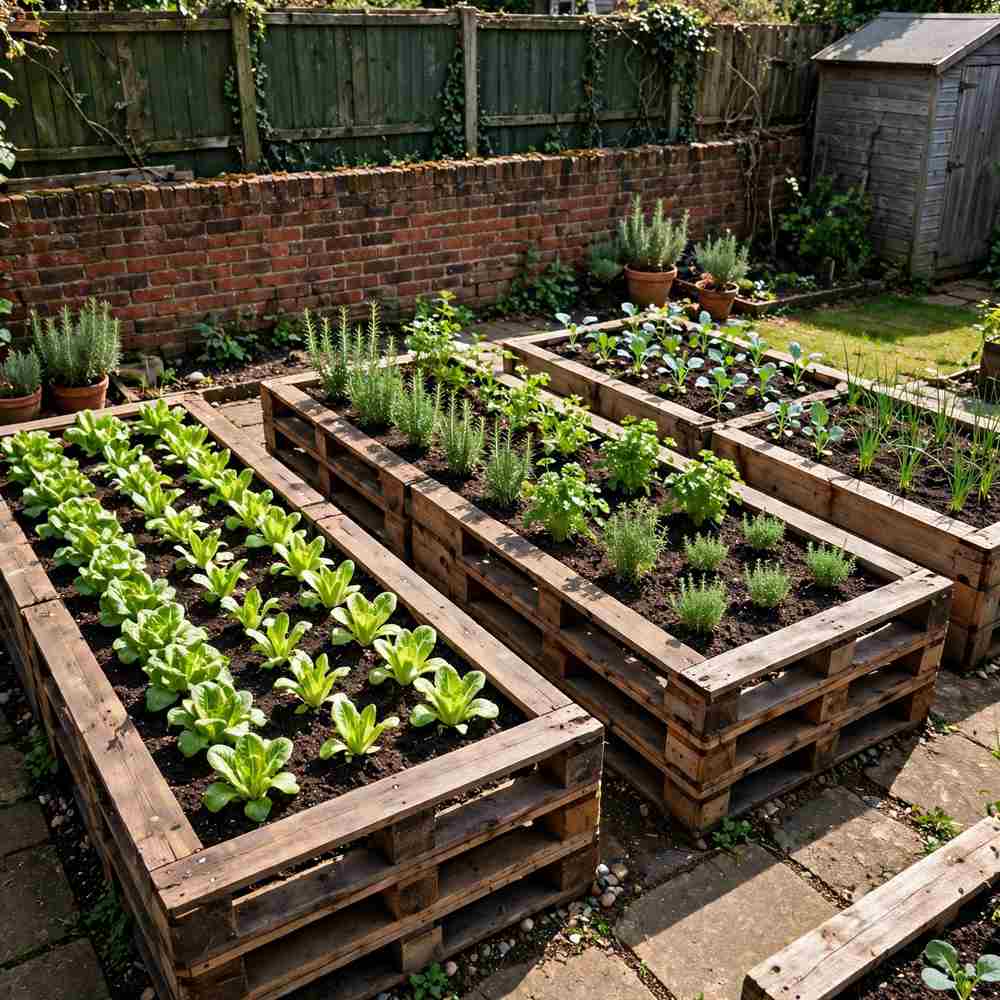
Pallets are strong, free and endlessly adaptable. Broken into planks or used whole as frames, they make neat raised beds that warm up quickly, drain well and save your back from bending.
Line with old compost bags, fill with topsoil and compost, and plant. If you are deciding what to grow first, the RHS grow-your-own advice is a goldmine of simple sowing calendars.
Why it works:
- Raised soil warms earlier each spring
- Defined beds are easy to weed
- Perfect on concrete or poor ground
Tip: choose pallets marked HT for heat-treated, and avoid chemical marks or oil stains.
8) Turn Logs and Stumps Into Rustic Seating
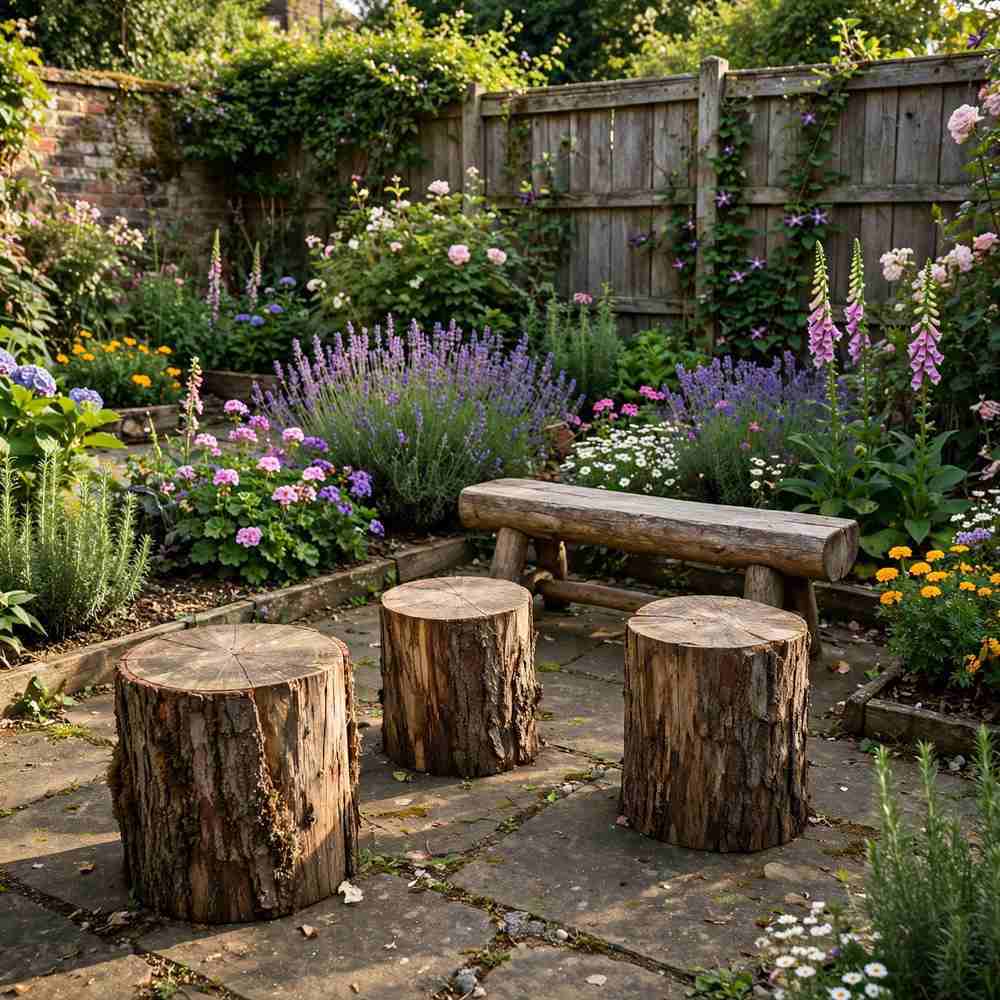
When a tree comes down locally, gardeners usually pay to remove it. Offer to take a few rounds instead. Upended logs make stools and side tables with more character than anything you can buy.
Group three stumps around a log bench for a fireside corner or storytelling spot. Leave the bark on for a woodland feel, or sand the tops smooth.
Best for:
- Shady corners where little thrives
- Informal, family-friendly gardens
- Extra seating for gatherings
Tip: stand logs on gravel or slabs, not bare soil. A dry base slows rotting.
9) Paint the Fence a Deep Designer Colour
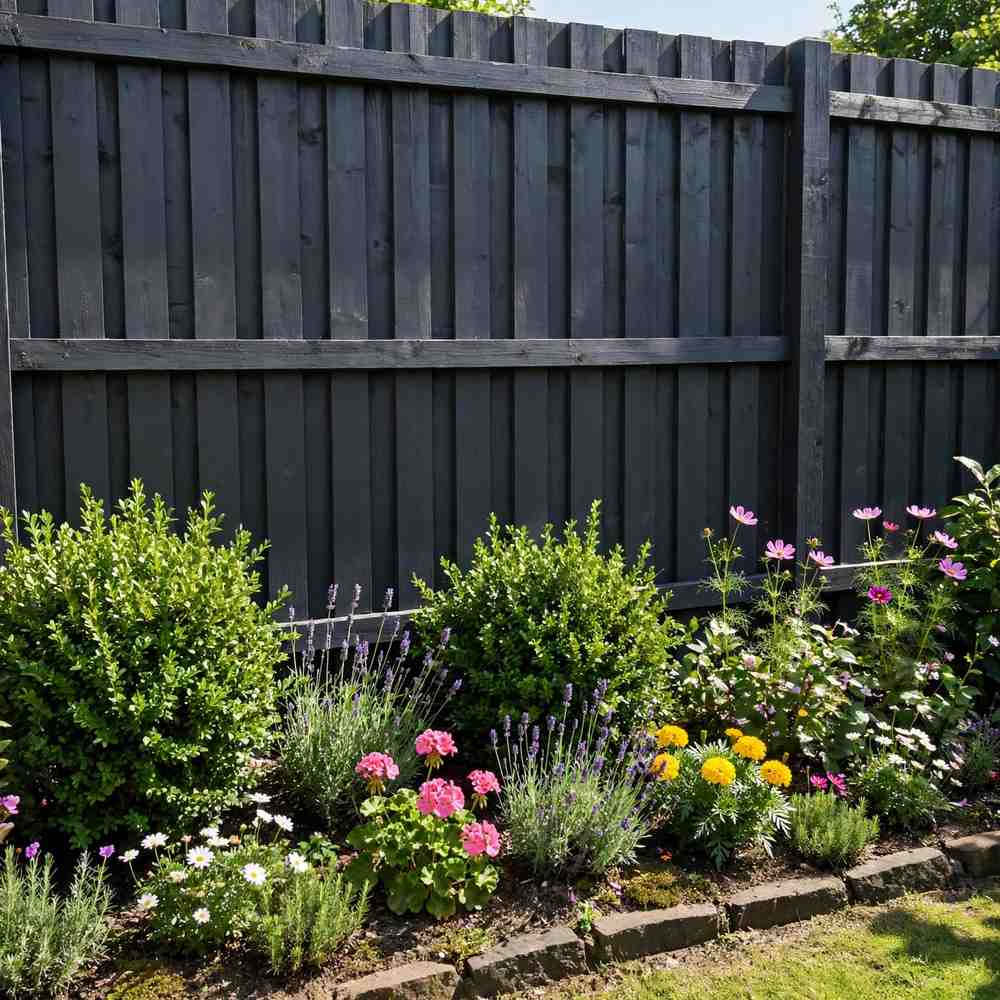
Few single jobs change a garden like painting the fence. One tin of deep charcoal, inky green or soft black makes every leaf in front of it look richer, and tired panels read as a smart backdrop.
Dark colours also make the fence visually disappear, pushing the garden’s edges outward so the plot feels bigger. It is the oldest designer trick there is.
Why it works:
- Foliage glows against a dark background
- Unifies mismatched, patched panels
- Makes flowers and pale furniture stand out
Tip: test the colour on one panel for a day. Fence paint dries darker than it looks.
A Simple Order to Tackle Your DIY Landscape Design Ideas
The order matters more than the speed. Start with shapes and structure: mark out beds, lay paths and edge them while the garden is bare. Next come the bigger builds, such as raised beds, arches and seating, then the fence colour, because paint splashes are easier to forgive before planting. Only then should you plant, mulch and add lights. Working this way through your diy landscape design ideas means never moving a finished job, and every stage improves the garden even if you pause for a month.
10) Line Paths and Beds With Solar Lights
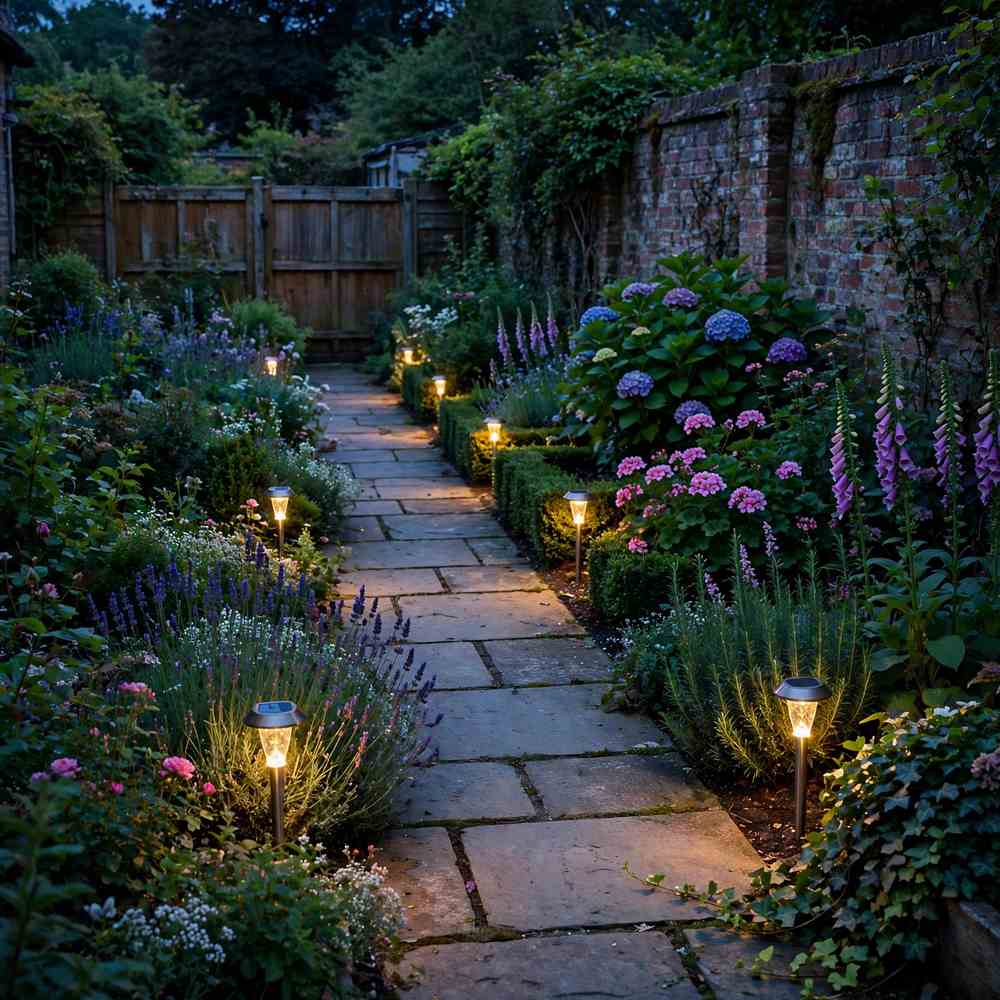
Solar lights have quietly become one of the best-value garden upgrades around. Push them into the soil along a path in the morning, and by dusk they glow with the day’s stored sunshine. No wiring, no electrician, no running costs.
Space them unevenly, tucked among planting, so the light seems to come from the garden itself. Warm white bulbs always look classier than cold blue ones.
Why it works:
- Makes the garden magical after dark
- Guides guests safely along paths
- Costs nothing to run
Tip: wipe the panels monthly. Clean panels charge better and shine brighter.
11) Plant a Low-Water Gravel Garden
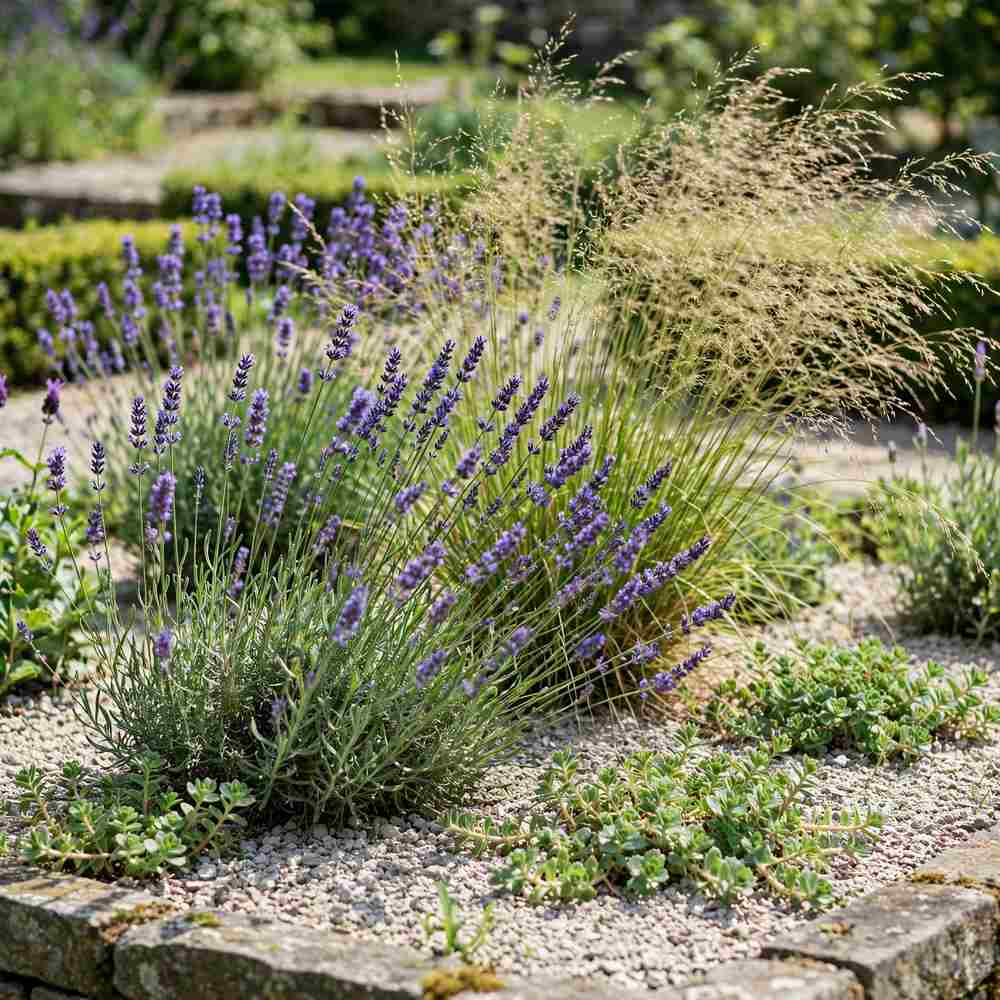
A sunny, dry patch where the lawn sulks is an opportunity in disguise. Cover it with gravel, then plant through it with lavender, ornamental grasses, sedum and rosemary, all sun-lovers that thrive on neglect.
Gravel gardens barely need watering once established, weeds struggle to take hold, and the pale stone reflects light around the planting. Designer-looking, yet one of the cheapest effects you can build.
Best for:
- Hot, dry, south-facing spots
- Front gardens that must look smart
- Awkward corners you hate mowing
Tip: plant in groups of three or five. Drifts look intentional; single plants look lost.
12) Finish Beds With a Thick Layer of Mulch
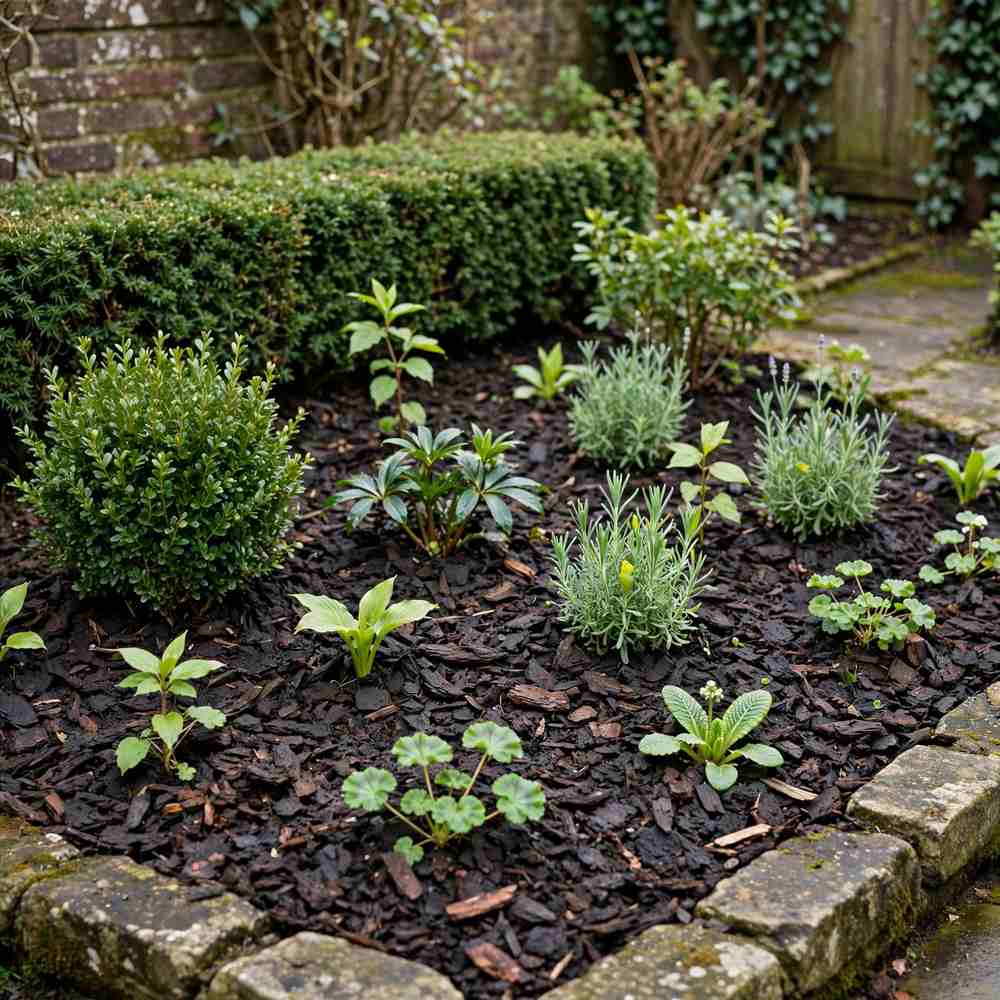
If you do only one job from this list, make it this one. A thick layer of bark chips or homemade compost over bare soil instantly makes beds look finished, the way a frame finishes a picture.
Mulch also locks in moisture through dry spells, keeps roots cool, and smothers weed seeds before they start. Five centimetres is the magic depth; thinner is just decoration.
Why it works:
- Instant tidy, professional finish
- Less watering and far less weeding
- Improves soil as it rots down
Tip: mulch after rain, onto damp soil, keeping it clear of plant stems.
13) Grow a Living Screen or Young Hedge
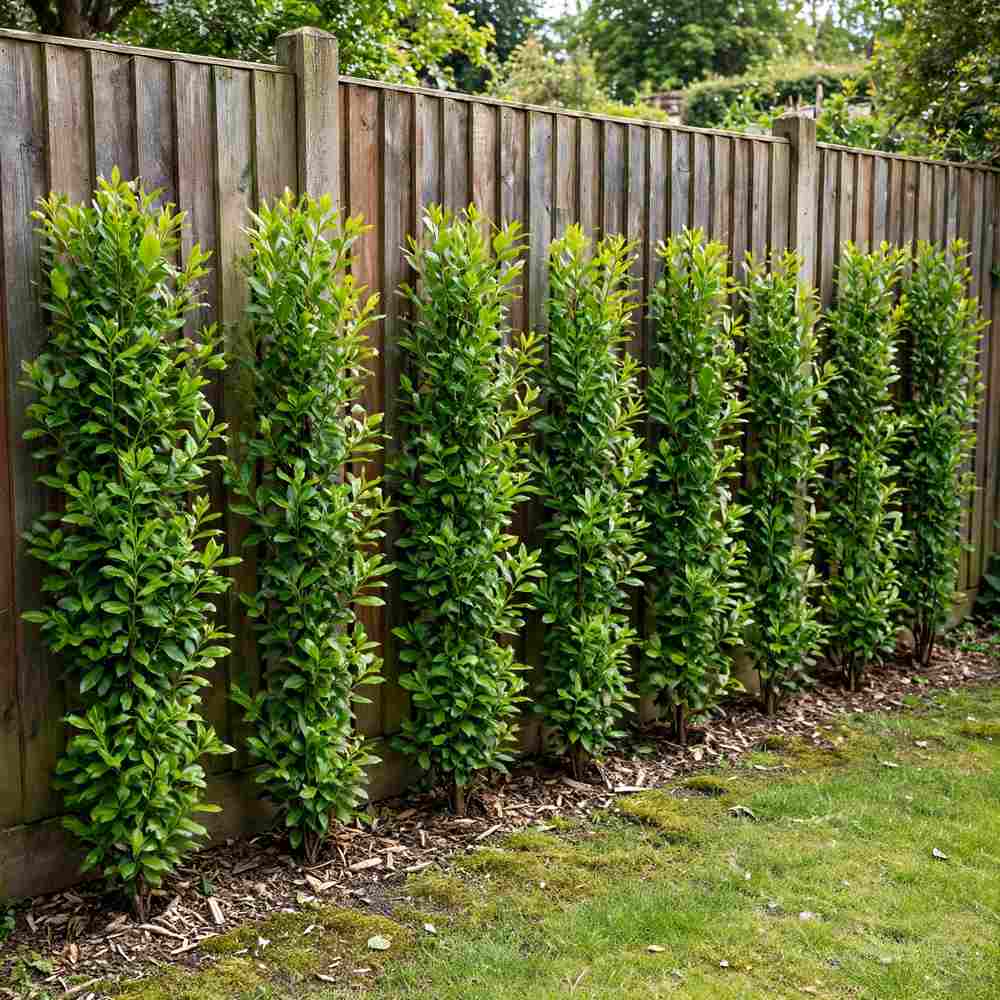
Fences are instant but expensive; hedges are slow but nearly free. Bare-root hedging plants bought in winter cost a fraction of potted shrubs, and young laurel, privet or hornbeam knits into a green screen surprisingly fast.
A living screen filters wind, muffles noise, and gives birds somewhere to nest. Plant a double staggered row and it looks thick from the first year.
Best for:
- Overlooked gardens needing privacy
- Replacing a failing fence cheaply
- Wildlife-friendly boundaries
Tip: water new plants through dry spells and trim little and often for bushy growth.
14) Make a Mini Pond in an Old Sink
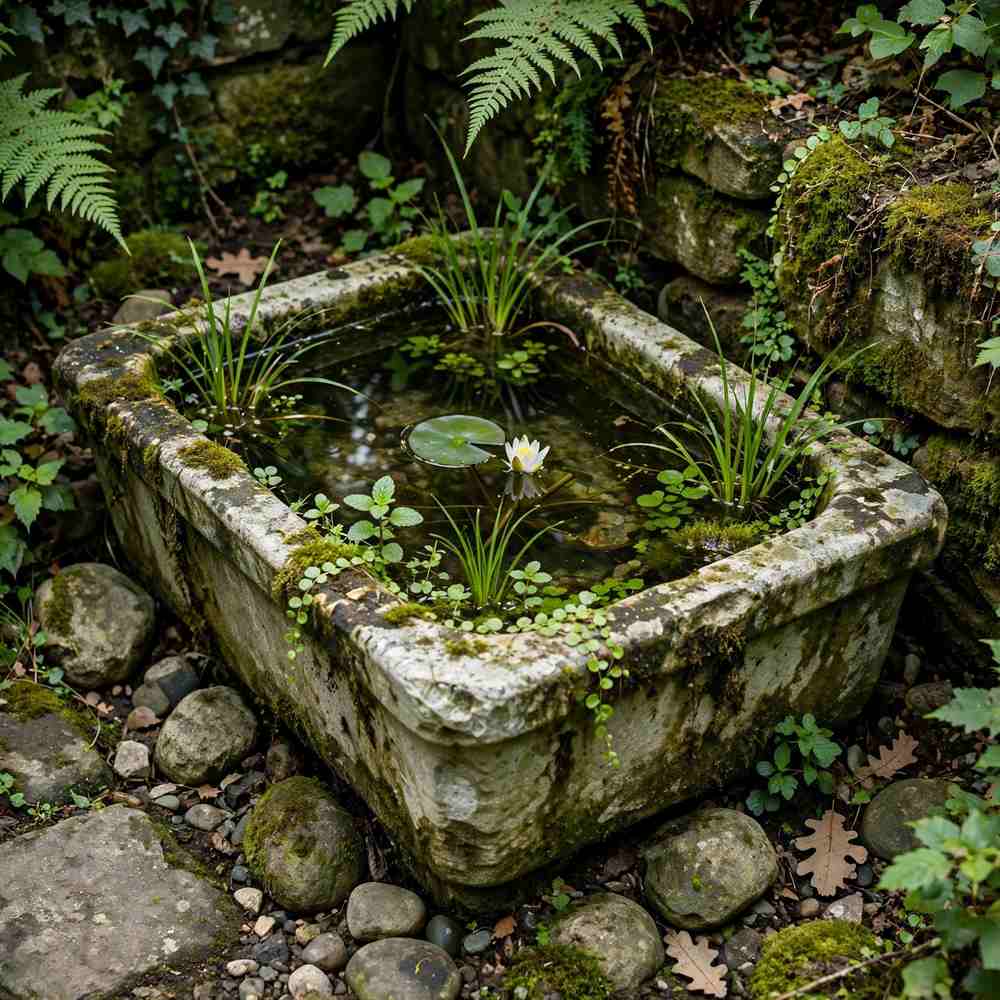
Water brings a garden to life faster than anything else, and you do not need to dig a lake. An old Belfast sink, tin bath or large watertight pot sunk into a corner makes a perfect miniature pond.
Add a small water lily, marginal plants and a pile of stones as a ramp so wildlife can climb out. Frogs will find it, and the reflections alone repay the effort.
Why it works:
- Brings frogs, birds and dragonflies
- Fits the tiniest space, even a patio
- Uses something rescued, not bought
Tip: give it sun for part of the day but shade at noon, and top up with rainwater.
15) Drape String Lights Over Your Sitting Spot
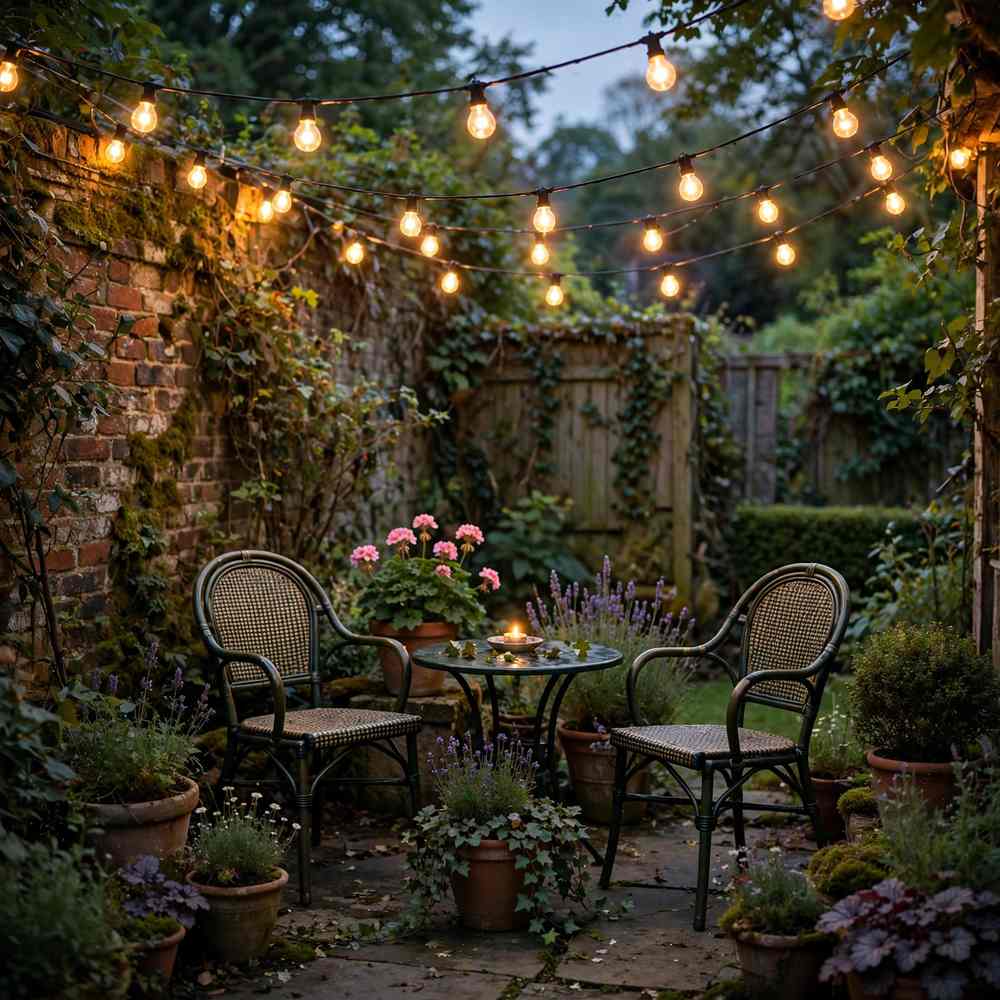
The cheapest way to make a garden feel like a holiday is a string of warm festoon lights over the chairs. Run them from the house to a fence post, let them sag in a gentle swag, and switch on the evening.
The same set earns its keep all year: in December it teams up with the decorations in our outdoor Christmas decorating ideas, and the rest of the year it is pure summer-evening atmosphere.
Best for:
- Patios that feel flat at night
- Garden dinners and evening drinks
- Small gardens needing a focal point
Tip: choose lights with replaceable bulbs and an outdoor rating, hung high enough to walk under.
16) Build a Simple Timber Arch
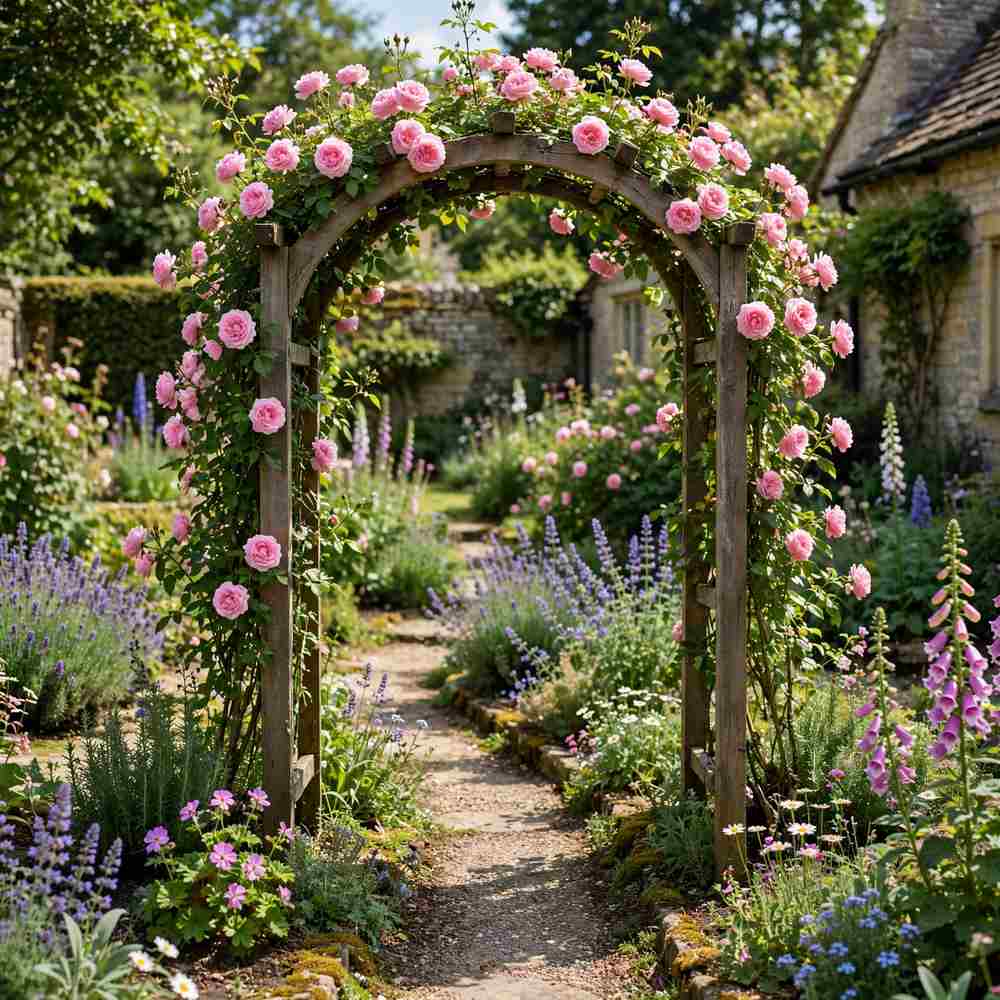
An arch is pure theatre: it frames a view, carries climbers and turns a plain path into an entrance. Built from sturdy timber, it is an achievable first carpentry project, no fancy joints required.
Plant a climbing rose, honeysuckle or clematis at each foot and train the stems up and over. If you enjoy saws and screws, our DIY garage workshop ideas will give your new skills somewhere to go next.
Why it works:
- Adds height and a sense of arrival
- Divides one garden into two “rooms”
- Supports heavy climbers easily
Tip: spike the posts in firmly and treat every cut end with preservative.
17) Group Pots for Instant Colour and Structure
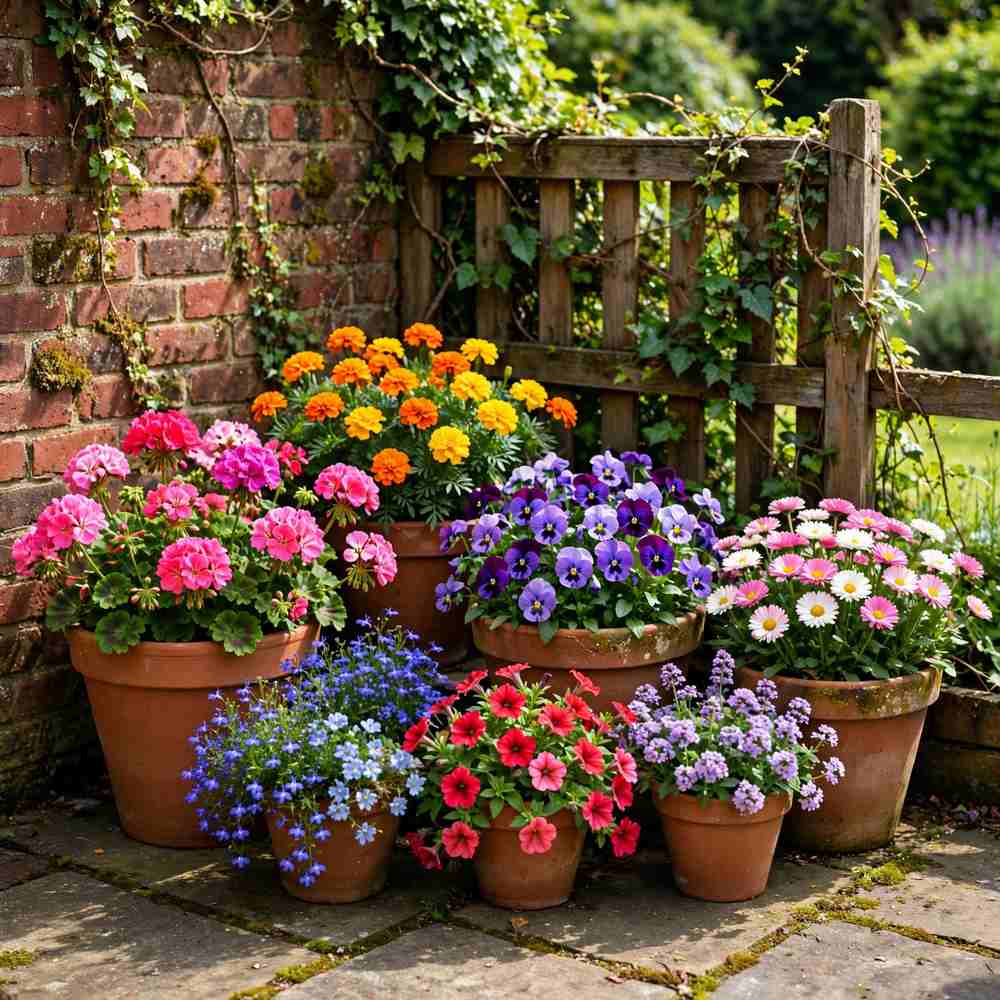
Containers are the fastest design tool of all because nothing is permanent. Cluster pots in odd numbers, mix heights and sizes, and place the group where you will see it most: by the door, on the patio, at the foot of steps.
Terracotta is cheap and suits every style. Fill the largest pot with a shrub for year-round bones, then ring it with seasonal flowers you can swap as they fade.
Best for:
- Renters not ready to dig
- Cheering up plain paving instantly
- Trying colours before committing
Tip: one big pot beats three small ones. Group small pots tightly so they read as one display.
18) Plant a Herb Bed by the Back Door
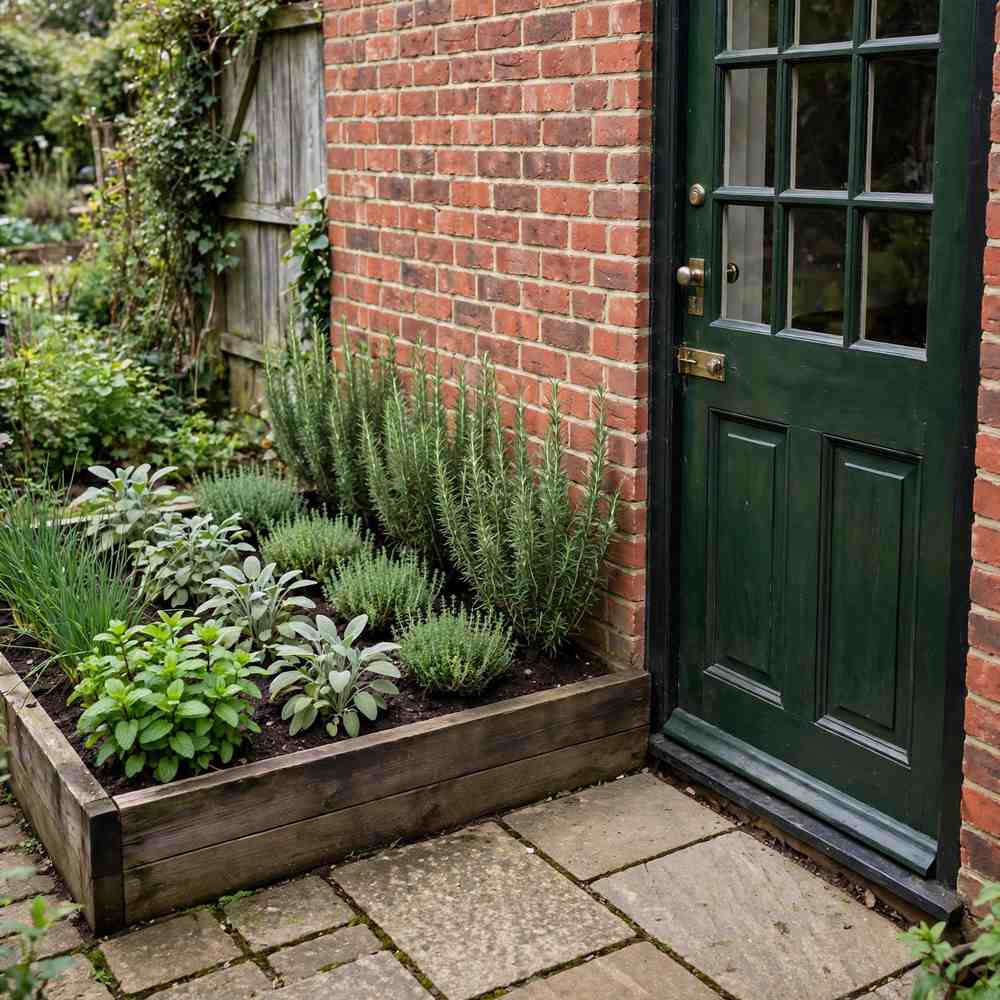
Finish your makeover with a bed that earns its keep at dinner time. A small raised bed of herbs beside the back door puts rosemary, thyme, sage and chives within snipping distance of the kitchen, exactly where you will use them.
Most herbs love poor, sunny, well-drained soil, so they are among the easiest plants you will ever grow. Keep mint in its own pot, though; in a bed it takes over.
Why it works:
- Fresh flavour steps from the door
- Tough plants that thrive on neglect
- Lovely scent as you brush past
Tip: plant the herbs you cook with most, not the fashionable ones.
How to Keep DIY Landscape Design Ideas Looking Good All Year
A budget garden stays beautiful with rhythm rather than effort. In spring, top up mulch and divide one crowded clump. In summer, deadhead little and often and water new plants through dry spells. Autumn is for planting bargains and sowing next year’s seed; winter is for fence paint, tool care and planning on paper. Think of the garden as another room, and the same layering instinct behind these cozy living room ideas works outdoors too: structure first, softness second, something to enjoy in every season. Follow that rhythm and your diy landscape design ideas will quietly improve each year.
Conclusion
The gap between a plain plot and a garden you love is rarely money. It is shapes, edges, repetition and generous layers, all within reach of a free weekend and a small budget.
You do not have to try all 18 ideas at once. Start with one or two: mark out a bed shape with string, or spread that first layer of mulch. Small, finished jobs build momentum better than one grand unfinished plan.
So pick the idea that made you look at your garden differently, and start there this weekend. Your future self, tea in hand on a summer evening, will be very glad you did.



More Stories
17 Inspiring Interior Design Quotes
20 DIY Garage Workshop Ideas to Transform Your Space
16 Outdoor Christmas Decorating Ideas