
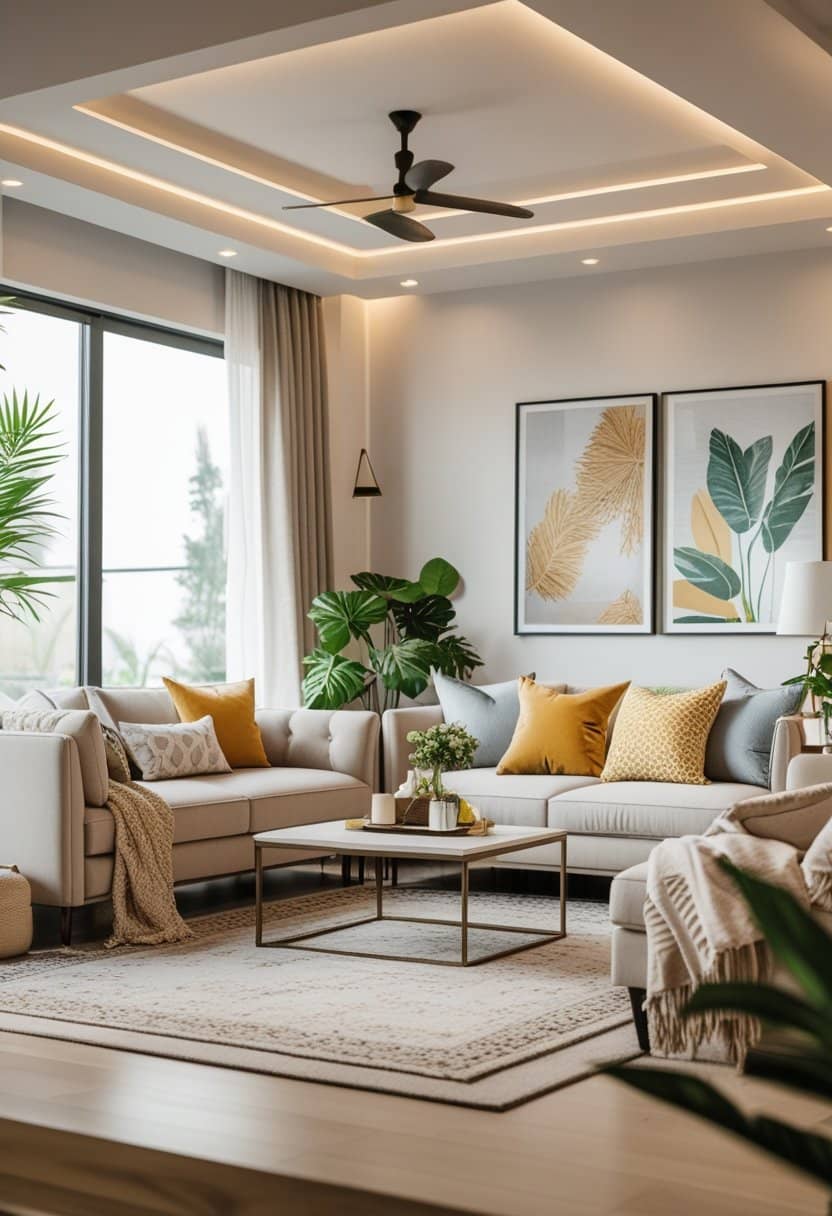
Introduction
Creating a beautiful home is not just about trends or expensive furniture. It’s about making every room feel welcoming, practical, and true to your personality. In this guide, we’ll walk through 25 home interior design ideas you can use to refresh any space, whether you live in a small apartment or a large house.
These 25 home interior design ideas are simple, flexible, and easy to understand. You don’t need to be a professional designer or spend a lot of money. With a few smart changes, you can make your home look more stylish, organized, and comfortable for daily life.
Getting Started with Your Home Interior Design
Before you start rearranging furniture or buying new items, it helps to have a simple plan in mind. Ask yourself:
- What do I want this room to feel like? (Cozy, bright, calm, energetic?)
- How do I use this space every day?
- What do I already own that I can reuse or improve?
Once you have a basic idea, you can start applying these 25 home interior design ideas step by step.
1. Choose a Simple Color Palette
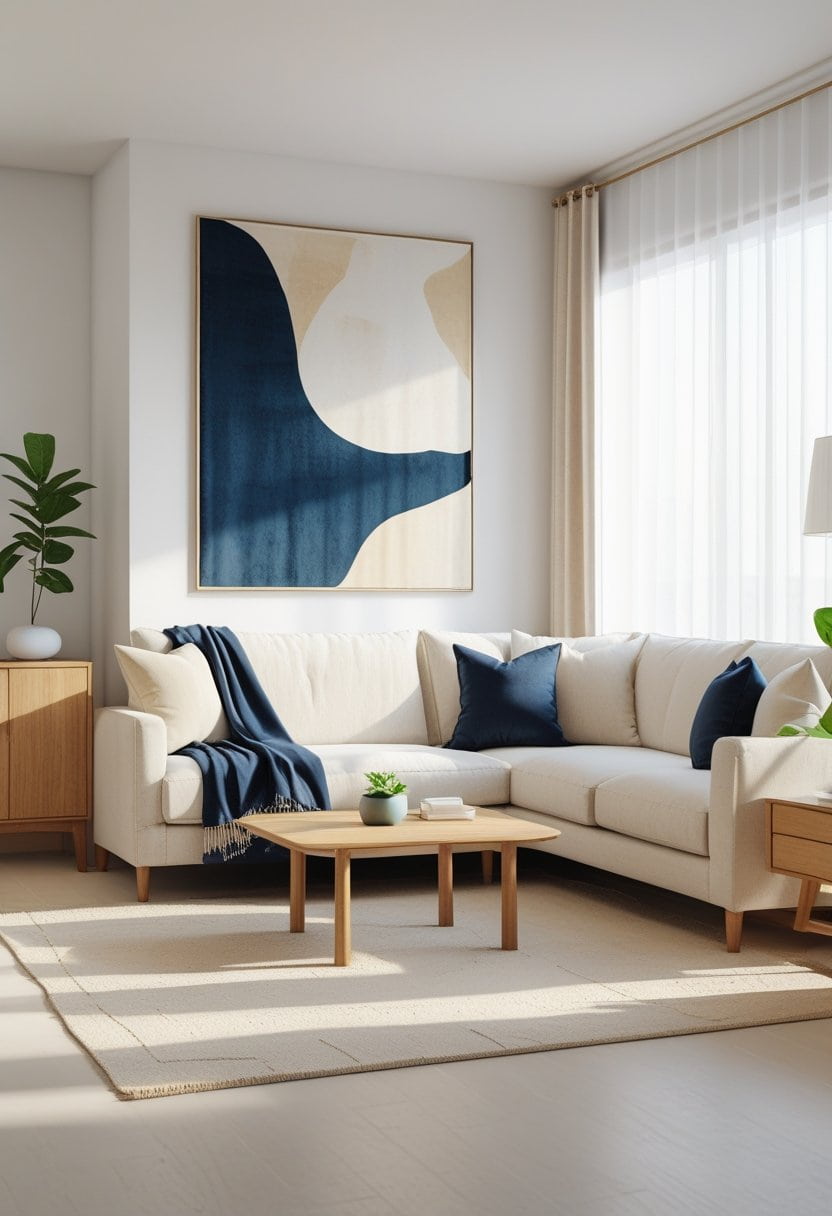
Color sets the mood of your home. A clear color palette makes everything look more put together.
- Pick 2–3 main colors you like (for example: white, beige, and dark blue).
- Use lighter shades for walls and larger furniture.
- Add darker or brighter colors in cushions, rugs, and décor.
A simple, consistent color palette makes your home look calm, clean, and well-designed without much effort.
2. Layer Your Lighting
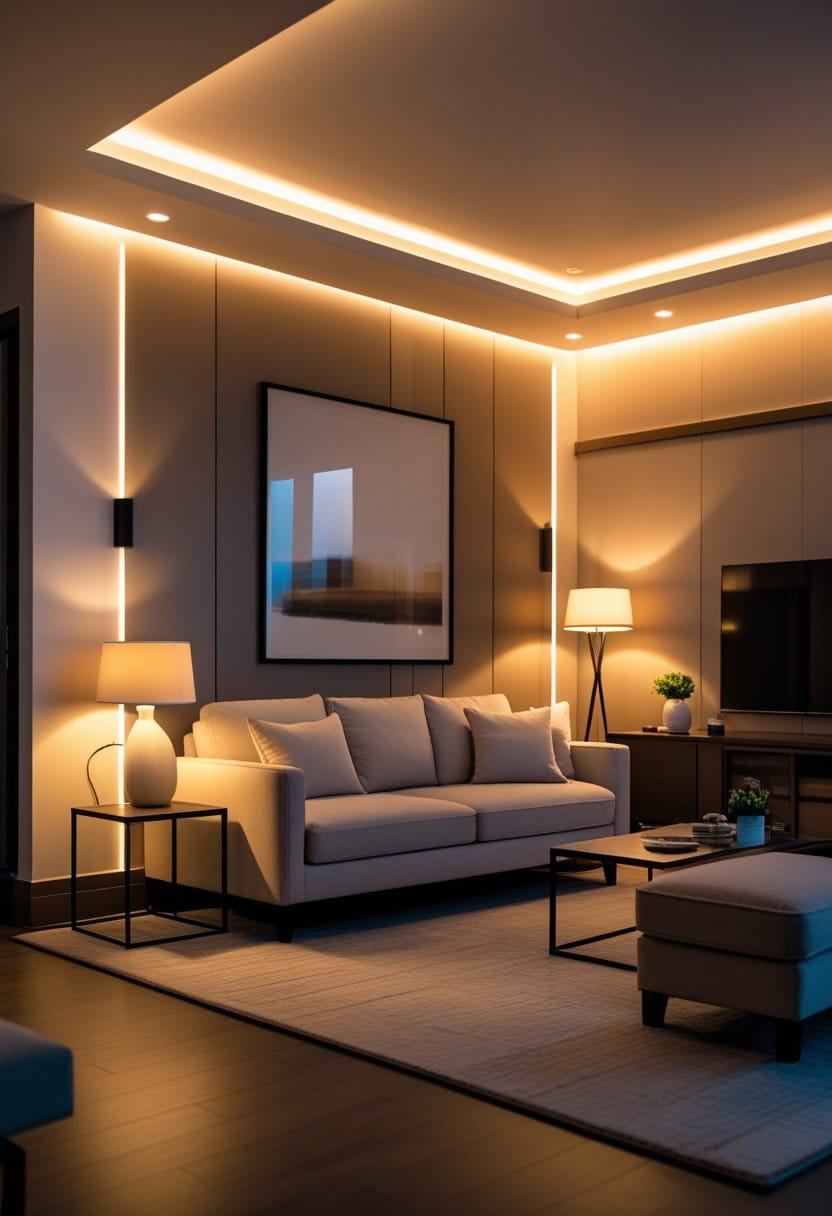
Lighting can completely change how a room feels. Instead of relying on just one ceiling light, combine different types:
- Ambient lighting: main ceiling lights or wall lights.
- Task lighting: desk lamps, reading lamps, under-cabinet lights.
- Accent lighting: LED strips, spotlights, fairy lights, or picture lights.
Layered lighting makes rooms more flexible. You can have bright light for cleaning and softer light for relaxing evenings.
3. Use Mirrors to Add Light and Space
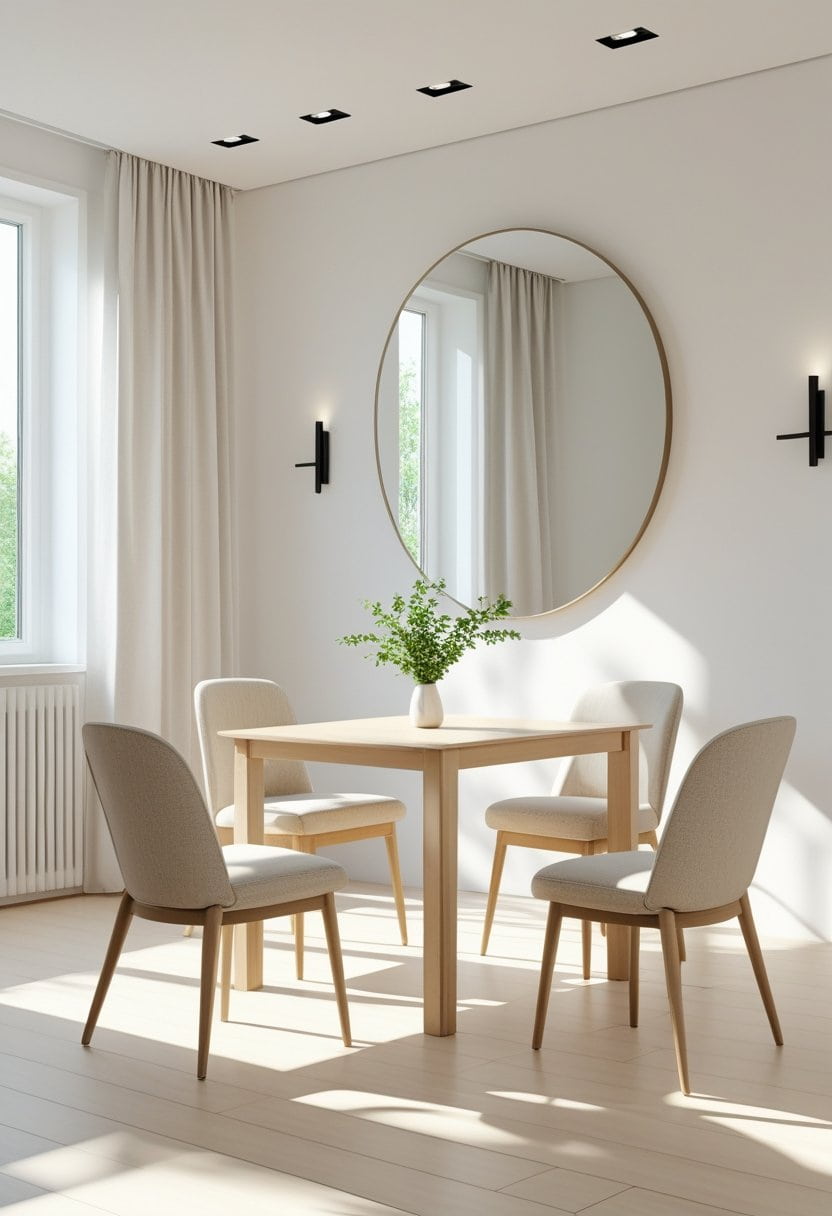
Mirrors are one of the most useful home interior design tools.
- Place a large mirror opposite a window to reflect natural light.
- Use mirrors in small rooms or narrow hallways to make them look bigger.
- Choose mirrors with stylish frames to double as wall décor.
This is a simple idea that can make your home feel more open and bright.
4. Add a Statement Rug
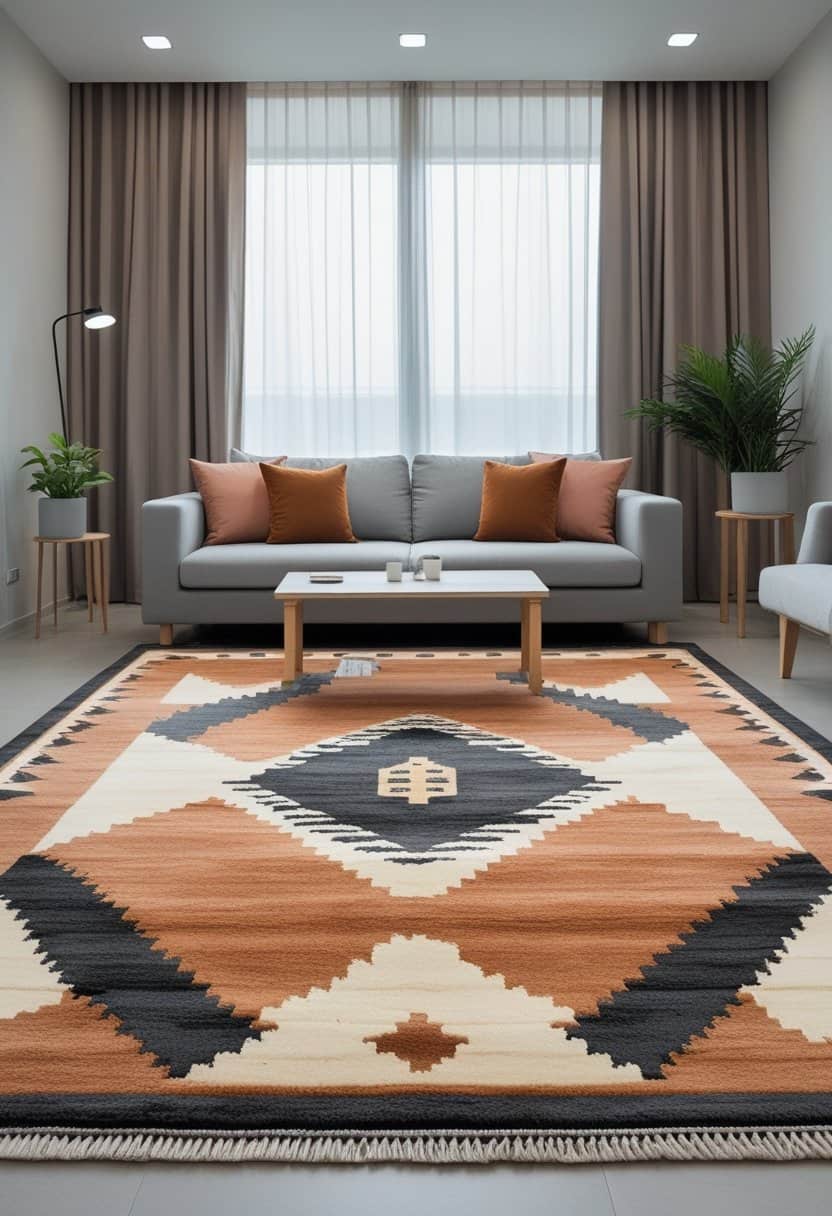
A rug can anchor a room and bring the whole look together.
- Use a big rug in the living room to define the seating area.
- Choose patterns or colors that match your overall palette.
- In bedrooms, place rugs under the bed or at the sides for comfort.
Rugs also help reduce noise and make floors feel warmer and cozier.
5. Mix Textures for a Richer Look
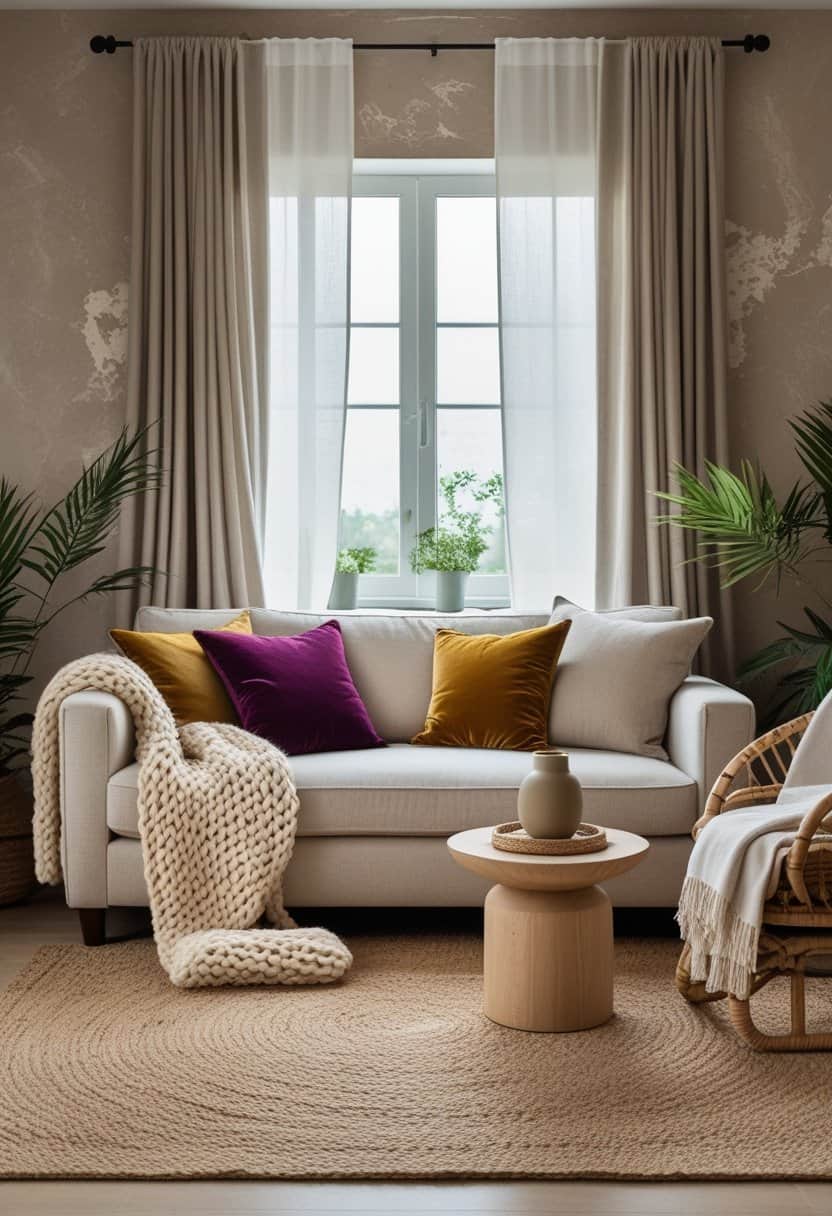
If your rooms feel flat or boring, mixing textures is a quick fix.
Combine materials like:
- Soft fabrics (cotton, linen, velvet)
- Natural elements (wood, rattan, jute)
- Smooth surfaces (glass, metal, polished wood)
For example, pair a sleek leather sofa with a soft knitted throw and a woven basket. This makes a room visually interesting without adding clutter.
6. Create a Focal Wall
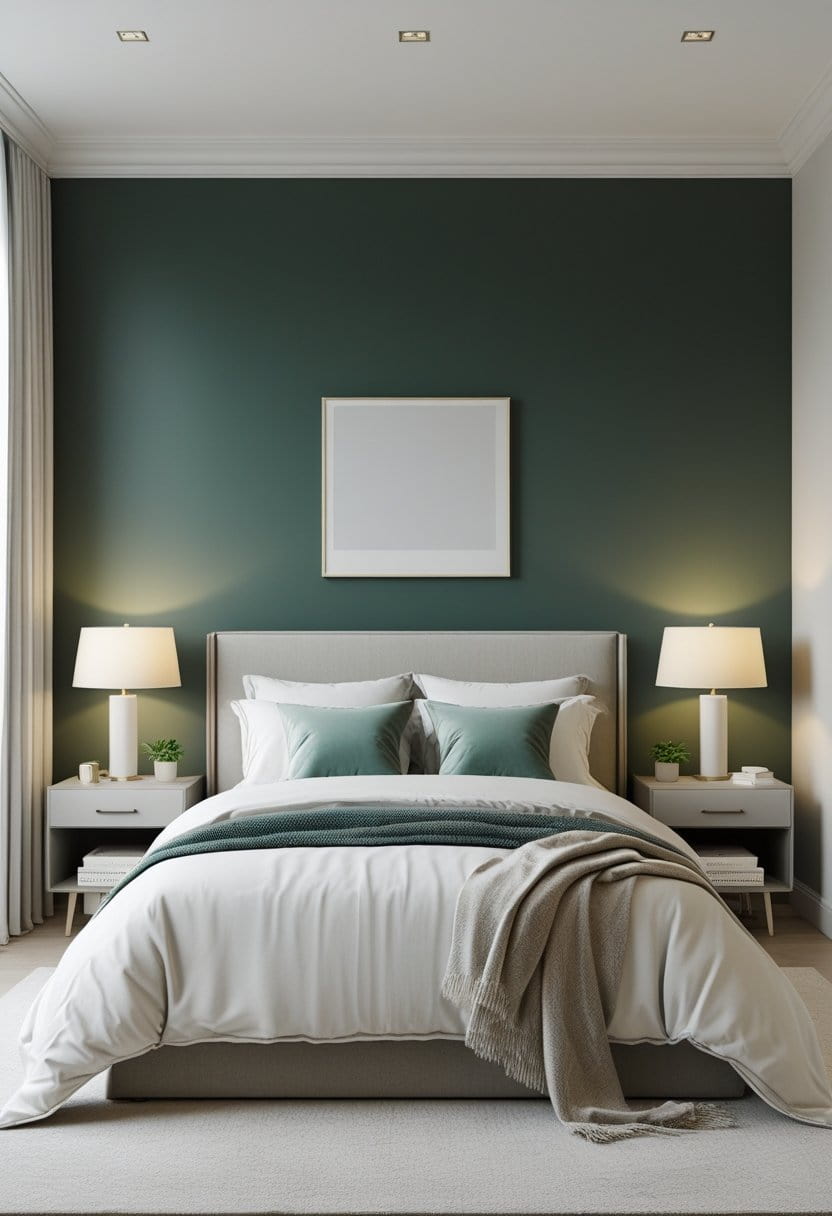
A focal wall draws attention and gives a room personality.
You can create one by:
- Painting one wall in a bold color.
- Using wallpaper with a pattern or subtle texture.
- Hanging a gallery of framed photos or art.
This idea works well behind the sofa, behind the bed, or in the dining area.
7. Bring Nature Indoors with Plants
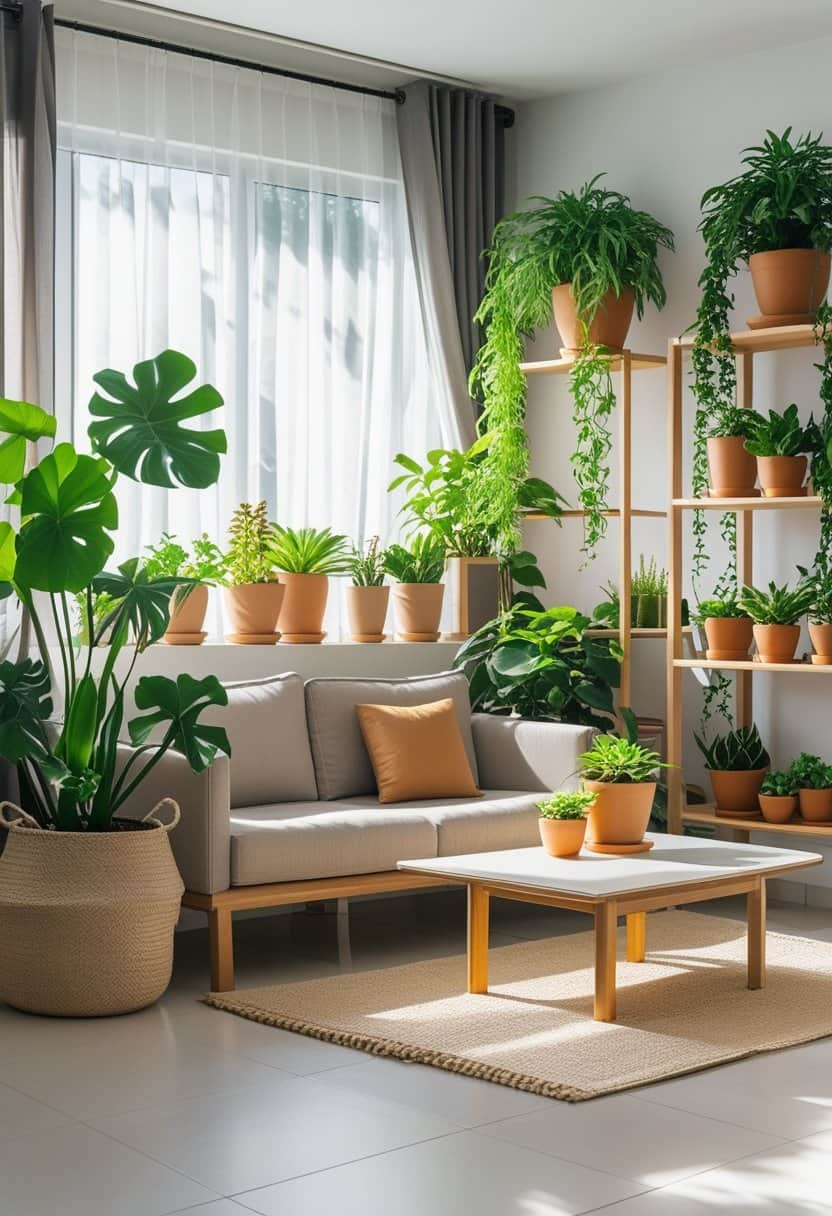
Indoor plants add life and freshness to any room.
- Start with easy plants like snake plants, pothos, or succulents.
- Use a mix of floor plants, table plants, and hanging plants.
- Place them in corners, near windows, or on shelves.
Plants can improve air quality and reduce stress, making your home feel more peaceful.
8. Choose Multi-Functional Furniture
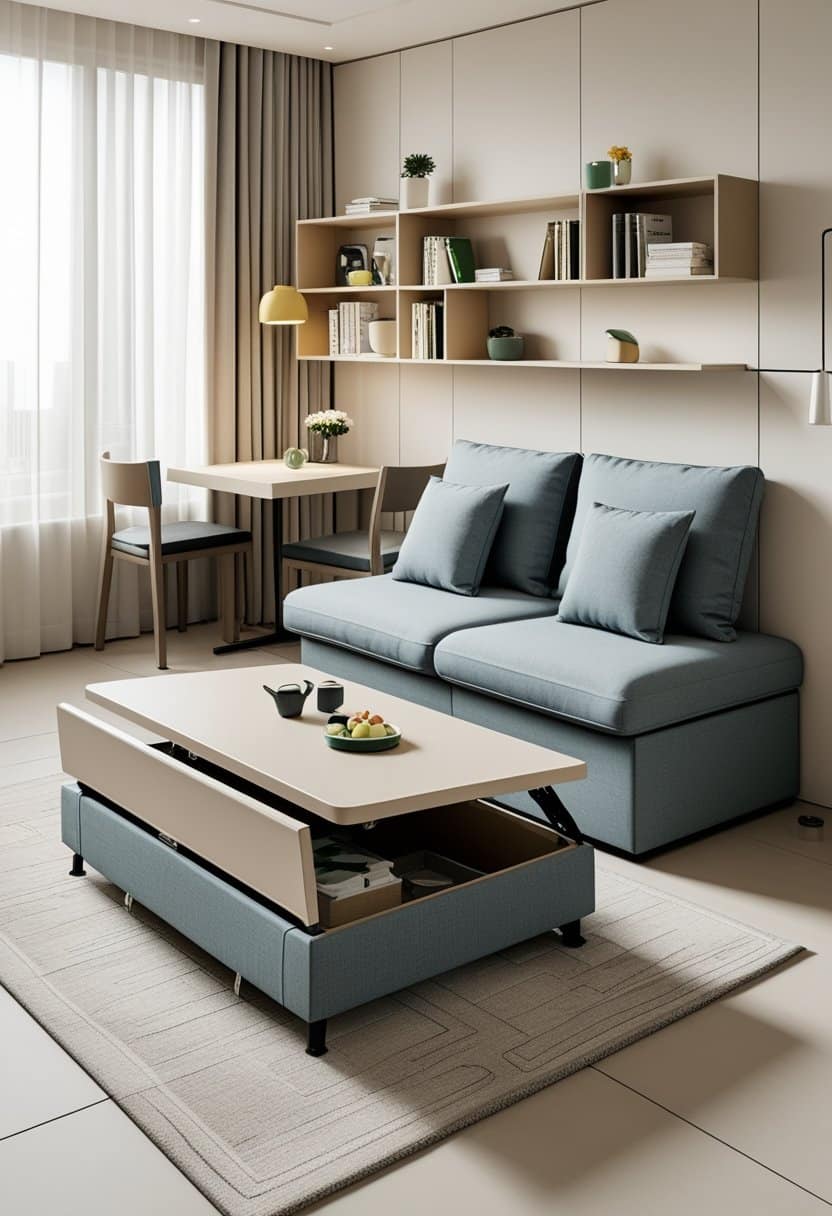
If you have a smaller home or just want to use space better, multi-functional furniture is a smart choice.
Examples include:
- Sofa beds for guests.
- Coffee tables with storage.
- Ottoman benches that double as seating and storage.
- Dining tables that extend when needed.
This idea helps keep your home tidy and flexible without feeling crowded.
9. Play with Scale and Proportion
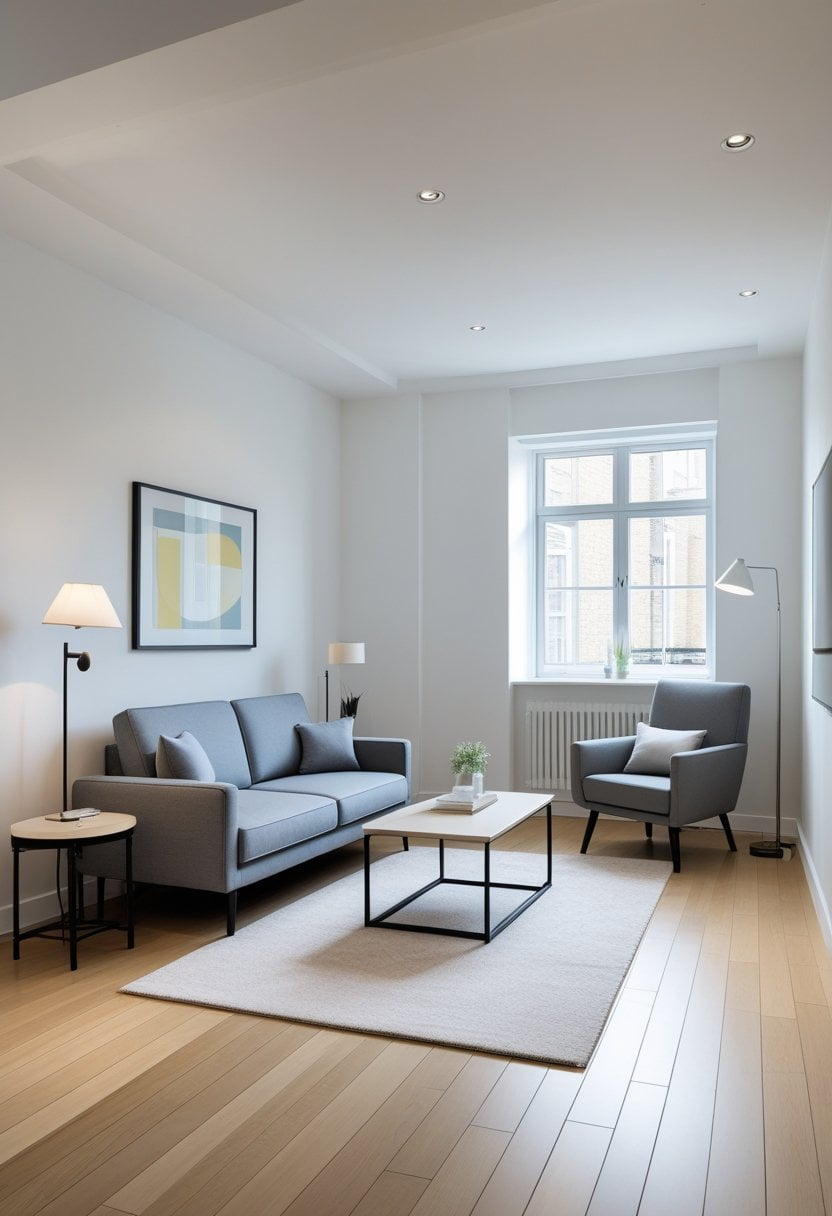
Many people choose furniture that is either too big or too small for their space. Good scale is key in home interior design.
- In small rooms, use slim-profile sofas and chairs.
- In large rooms, choose bigger sofas, oversized lamps, or large art pieces.
- Don’t fill every corner; leave some “breathing space.”
When the size of your furniture suits the room, everything feels more balanced and comfortable.
10. Curate Your Wall Art
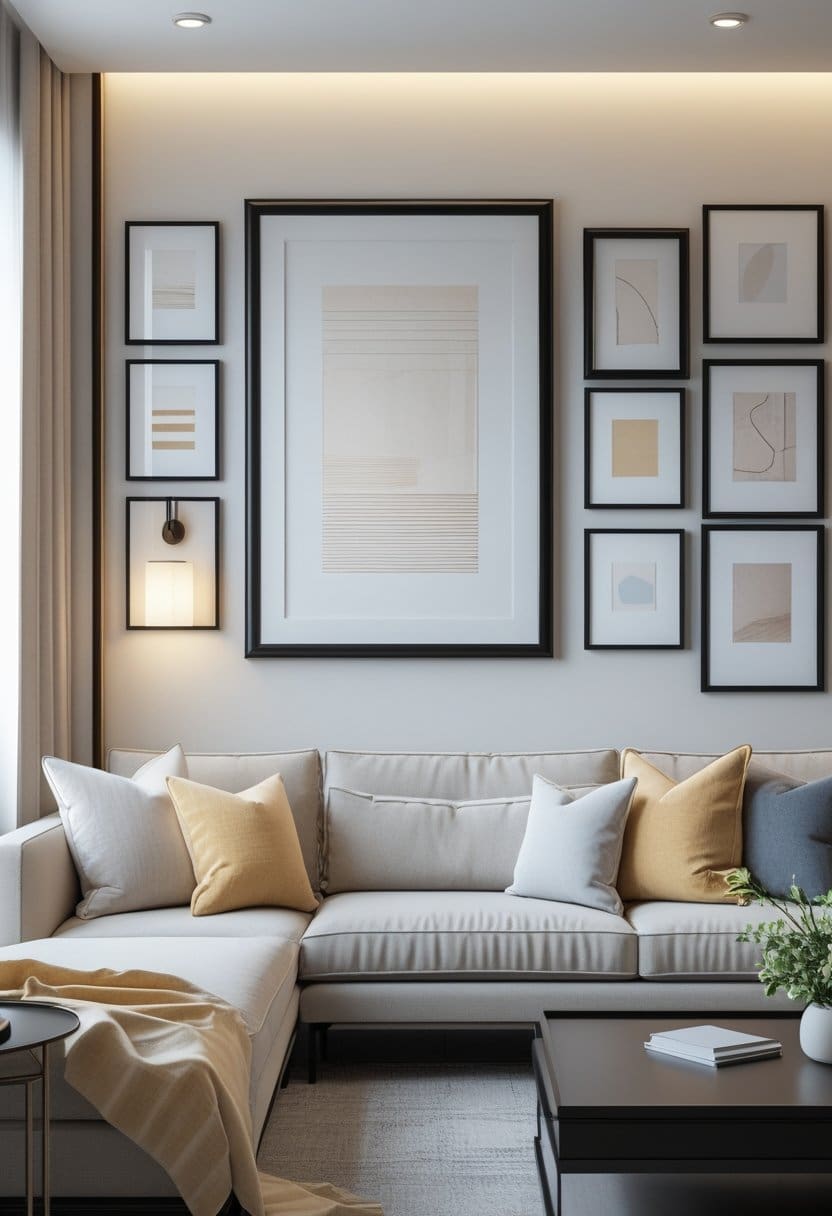
Art adds personality and emotion to a home.
Tips for using art:
- Hang a large piece above the sofa or bed for impact.
- Create a gallery wall with family photos, prints, or quotes.
- Keep frames in similar colors for a more cohesive look.
You don’t need expensive art. Prints, posters, or even framed fabric can look stylish when arranged well.
11. Upgrade Your Soft Furnishings
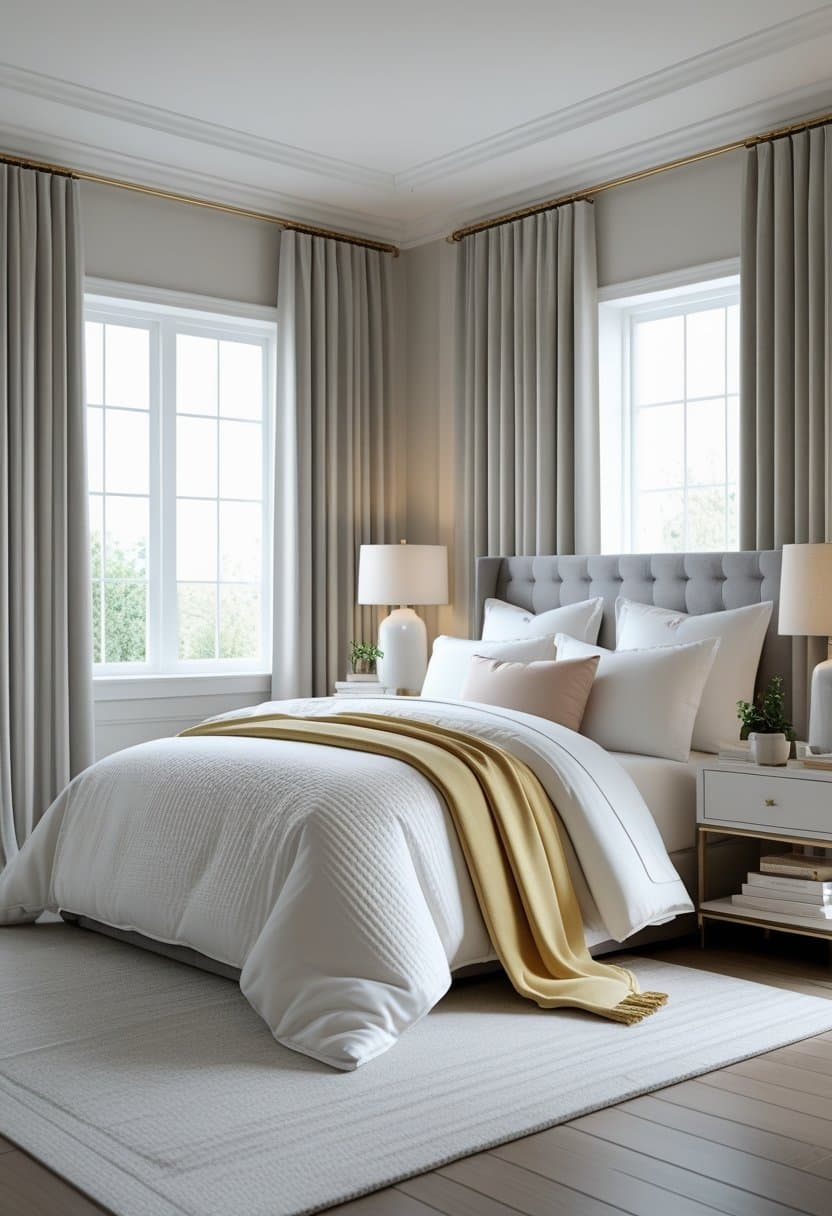
Soft furnishings include curtains, cushions, throws, and bedding. They are easy to change and have a big effect on the look and feel of your home.
- Choose curtains that are slightly longer to add a sense of height.
- Mix cushion sizes and shapes on your sofa or bed.
- Use throws to add warmth and texture.
Soft furnishings are a budget-friendly way to refresh your space regularly.
12. Create a Cozy Reading Corner
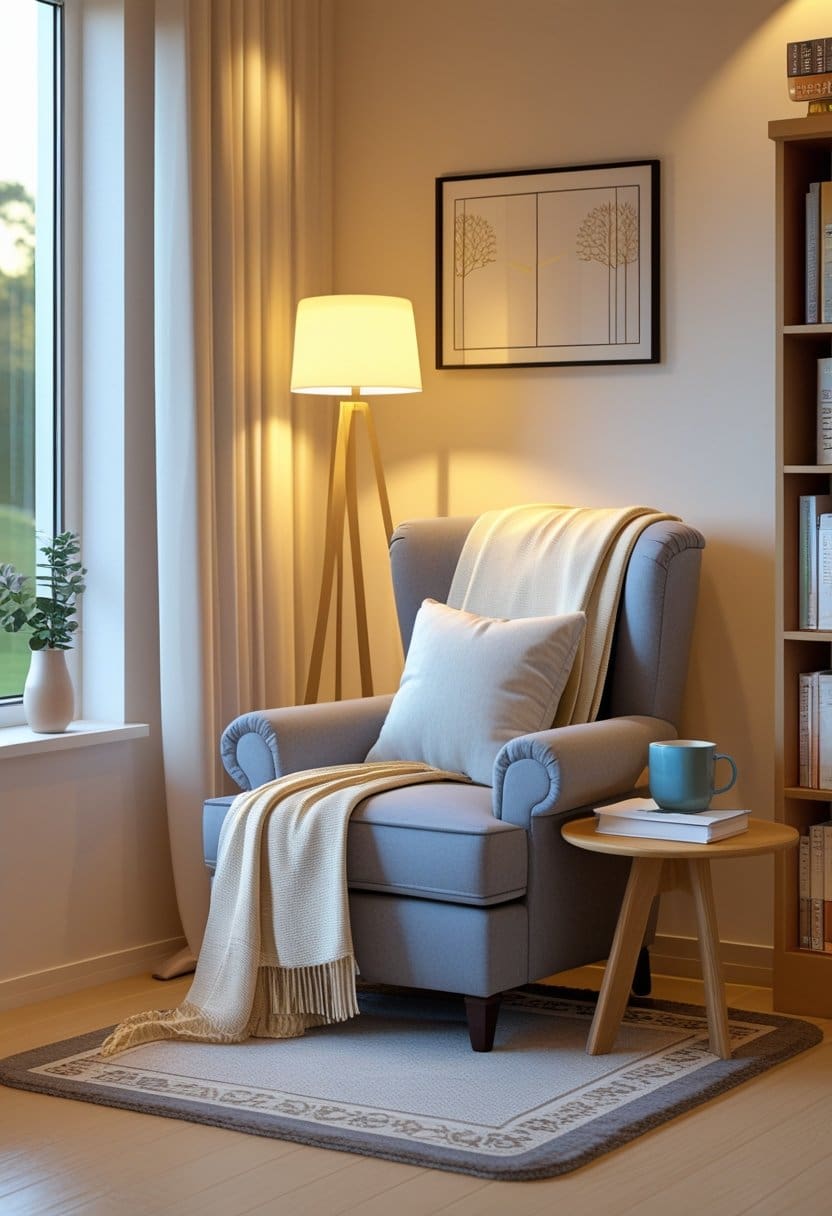
A small, dedicated corner can make your home feel more inviting.
To set up a reading nook:
- Place a comfy chair or small armchair near a window or lamp.
- Add a side table for your book or tea.
- Include a floor lamp or reading light.
- Use a soft cushion and throw for extra comfort.
This idea doesn’t require a lot of space but adds a lot of charm.
13. Use Zoning in Open Spaces
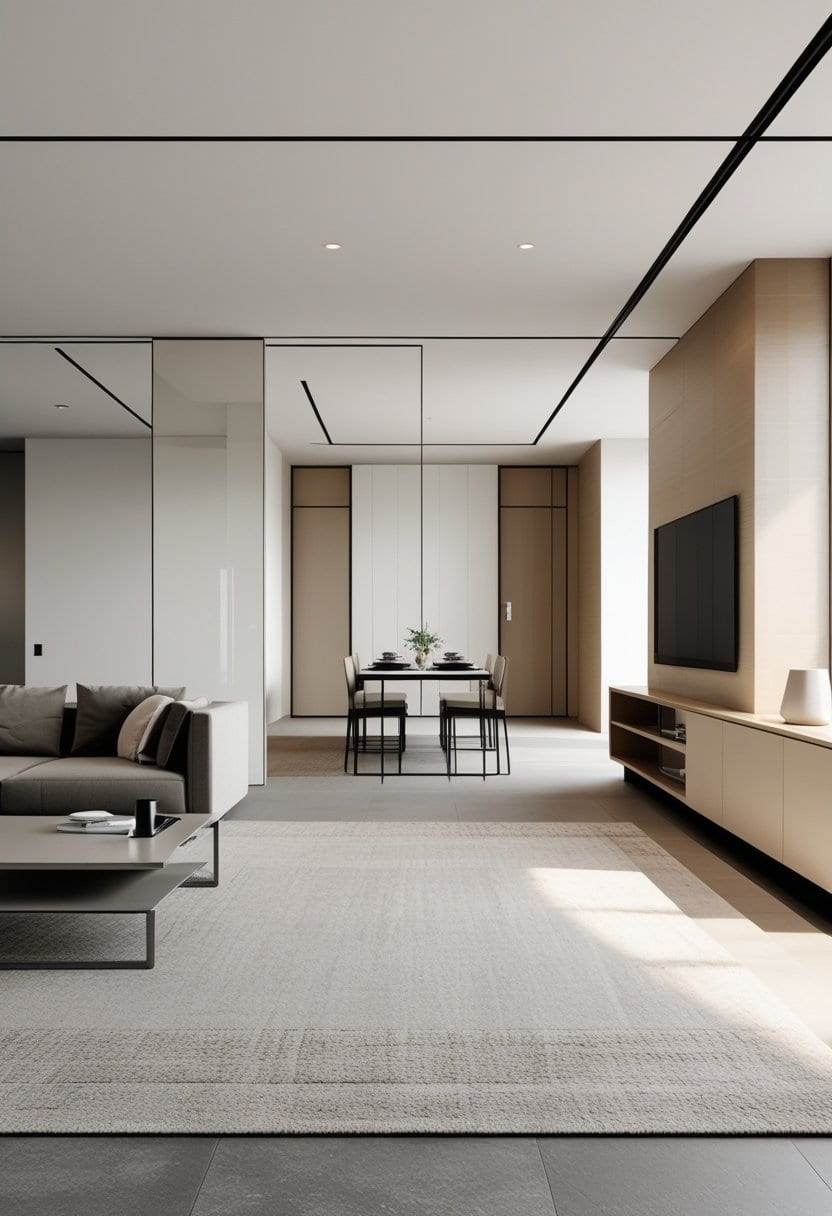
If you have an open-plan living area, zoning helps separate different functions.
You can divide space by:
- Using rugs to define living, dining, and working zones.
- Placing a sofa with its back to the dining area.
- Adding open shelves as a light divider.
This keeps your home feeling open but still organized and purposeful.
14. Include Open Shelving
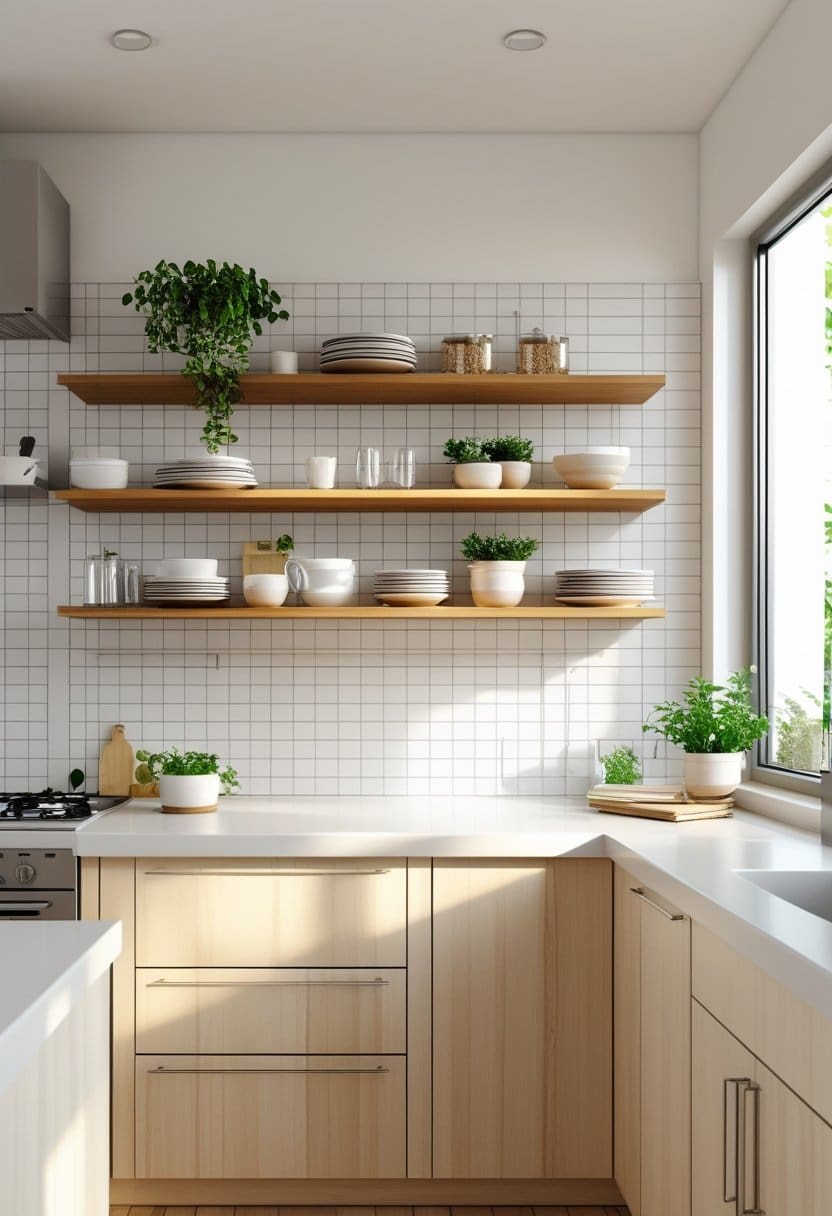
Open shelves are both practical and decorative.
Use them to:
- Display books, plants, and decor items.
- Store kitchen essentials in stylish jars or baskets.
- Show favorite dishes or mugs.
Just be sure not to overload them. Leave some empty space so they don’t look cluttered.
15. Refresh Your Entryway
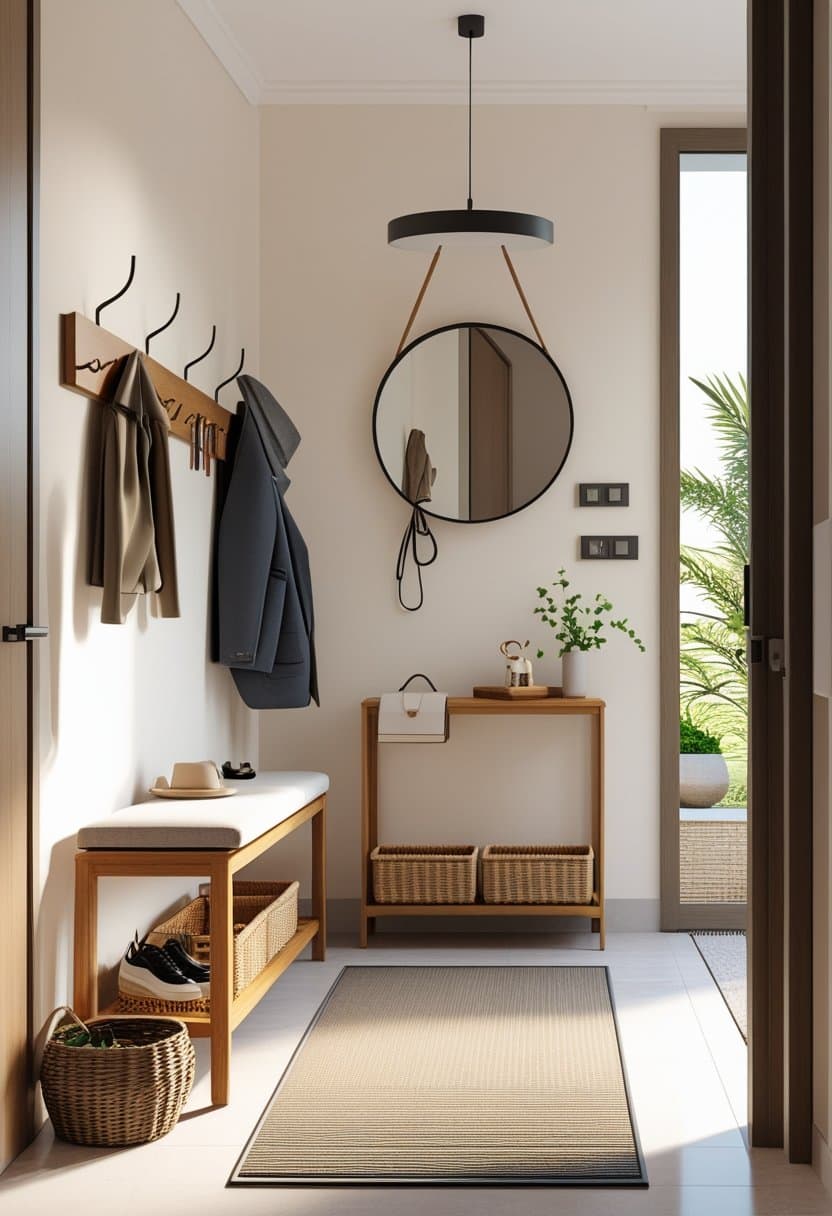
The entryway is the first impression of your home.
Simple ideas:
- Add a small bench or chair to sit while putting on shoes.
- Use hooks or a coat rack for daily jackets and bags.
- Place a tray or bowl for keys and small items.
- Add a mirror so you can check your look before leaving.
A tidy, welcoming entryway sets a positive tone for the rest of your home.
16. Style Your Coffee Table
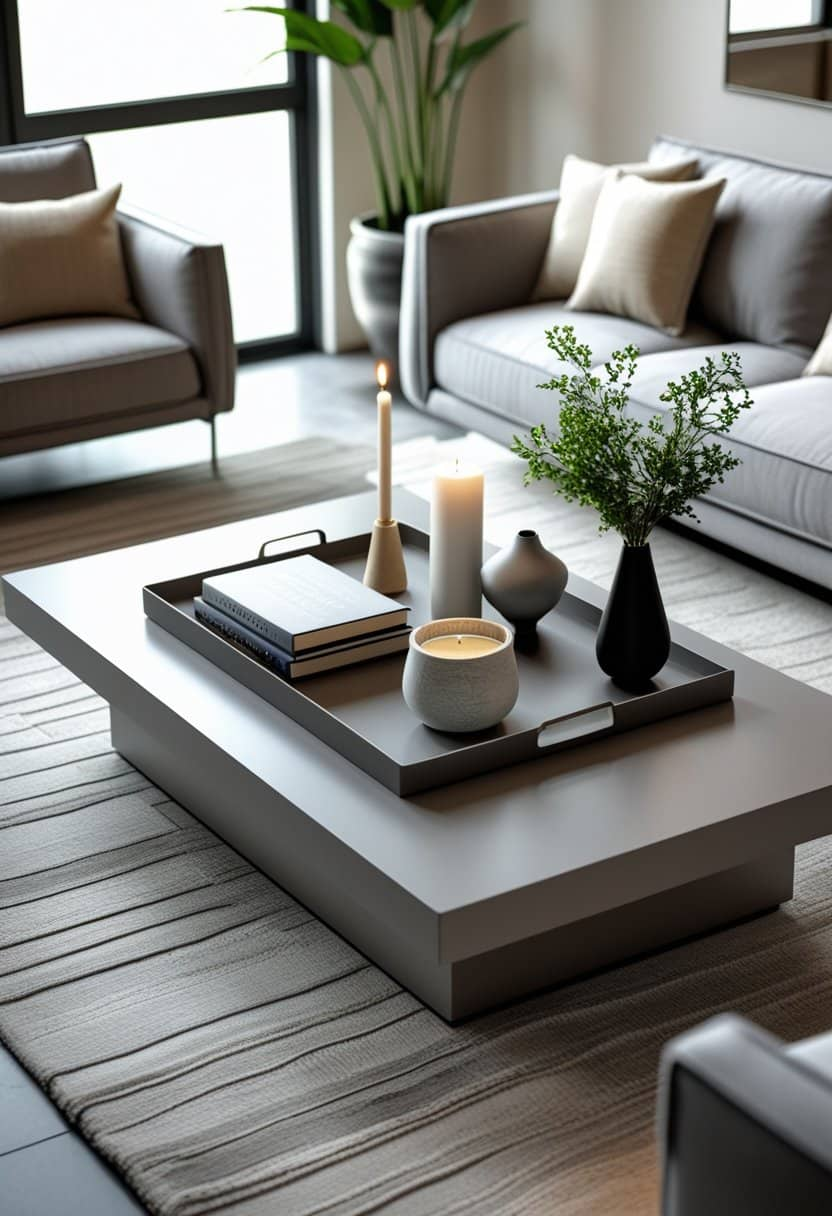
A styled coffee table can make your living room look more polished.
Use a simple formula:
- Something tall (vase, candle holder, small sculpture)
- Something flat (a tray or stack of books)
- Something natural (a plant or flowers)
Arrange items in groups of three or five for a balanced look.
17. Add Character with Vintage or Second-Hand Finds
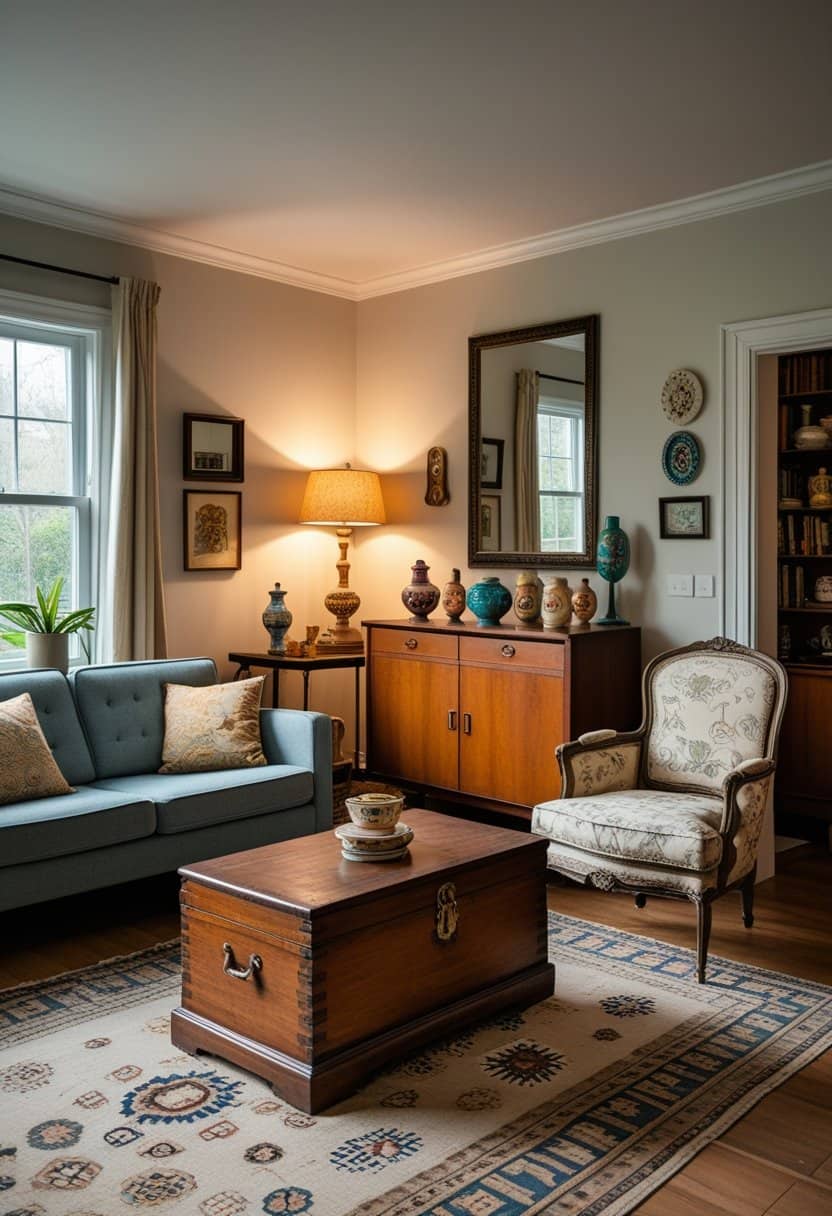
Old or second-hand pieces can make your home unique and full of character.
- Look for vintage mirrors, chests, or side tables.
- Mix them with modern furniture for contrast.
- Use old trunks as coffee tables or bedside tables.
This is also a sustainable way to decorate, giving new life to older items.
18. Use a Neutral Base with Pops of Color
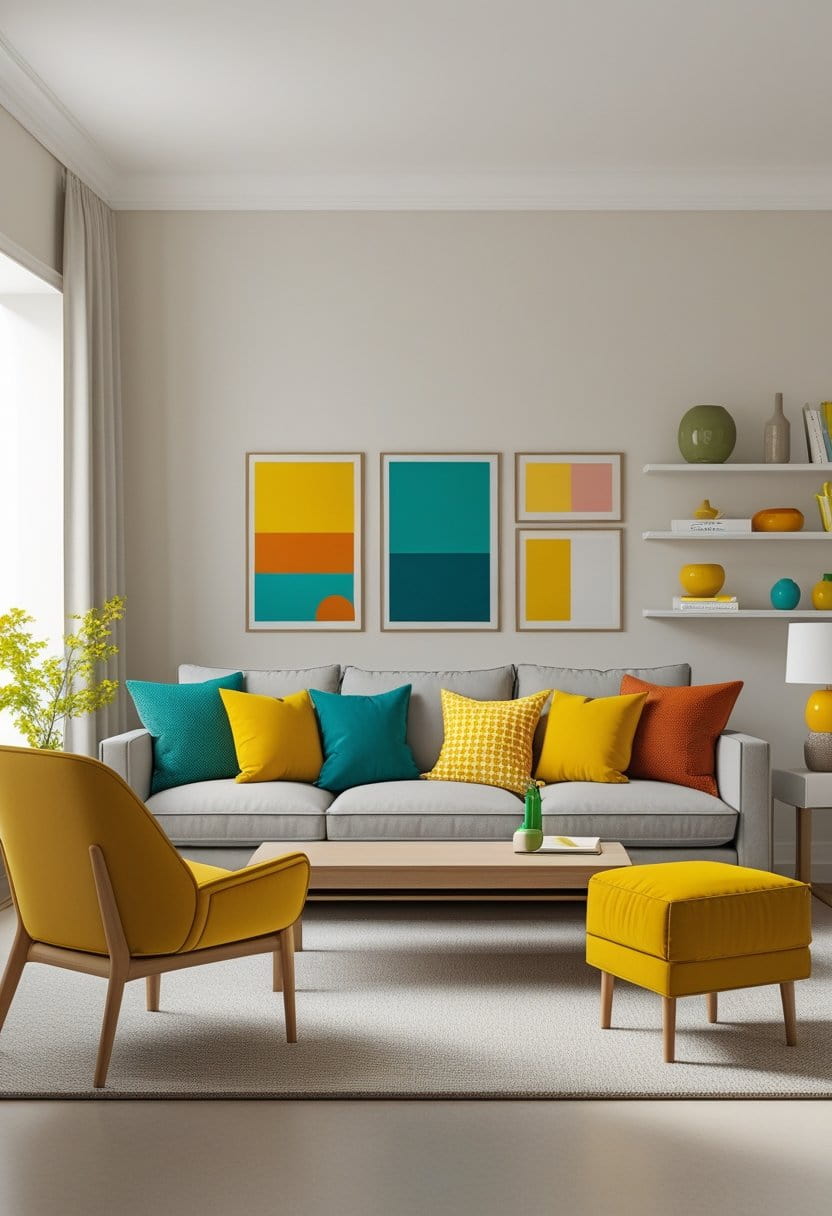
Neutrals make decorating easier and more flexible.
- Keep large pieces (sofa, walls, big rugs) neutral: white, beige, grey, or taupe.
- Add color in cushions, art, small furniture, and accessories.
- If your taste changes, you can replace smaller items without redoing the whole room.
This is one of the most practical home interior design ideas for people who like to update their style often.
19. Improve Storage to Reduce Clutter
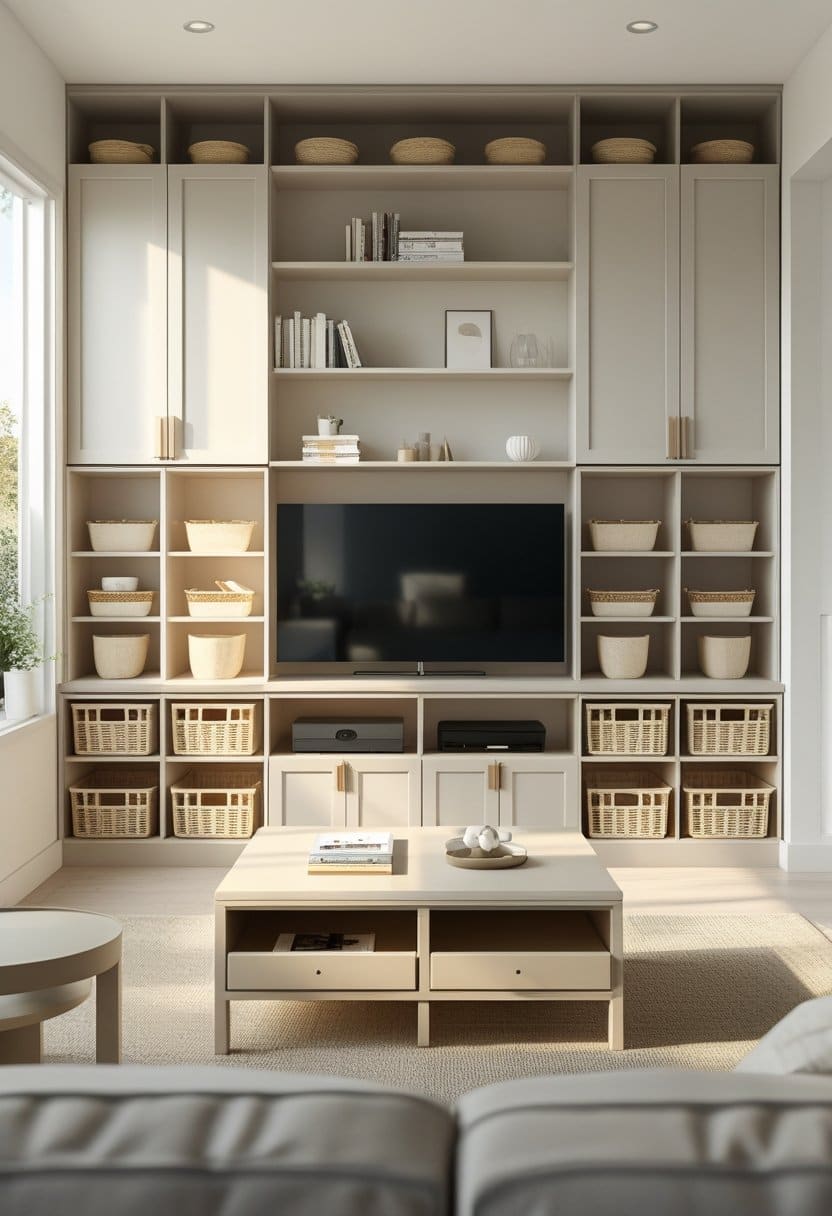
A beautiful home doesn’t mean a perfect home, but less clutter definitely helps.
Try:
- Closed cabinets or baskets to hide everyday items.
- Drawer organizers in the kitchen, bathroom, and bedroom.
- Under-bed storage for seasonal clothes or extra bedding.
When everything has a place, rooms feel calmer and more spacious.
20. Highlight Architectural Features
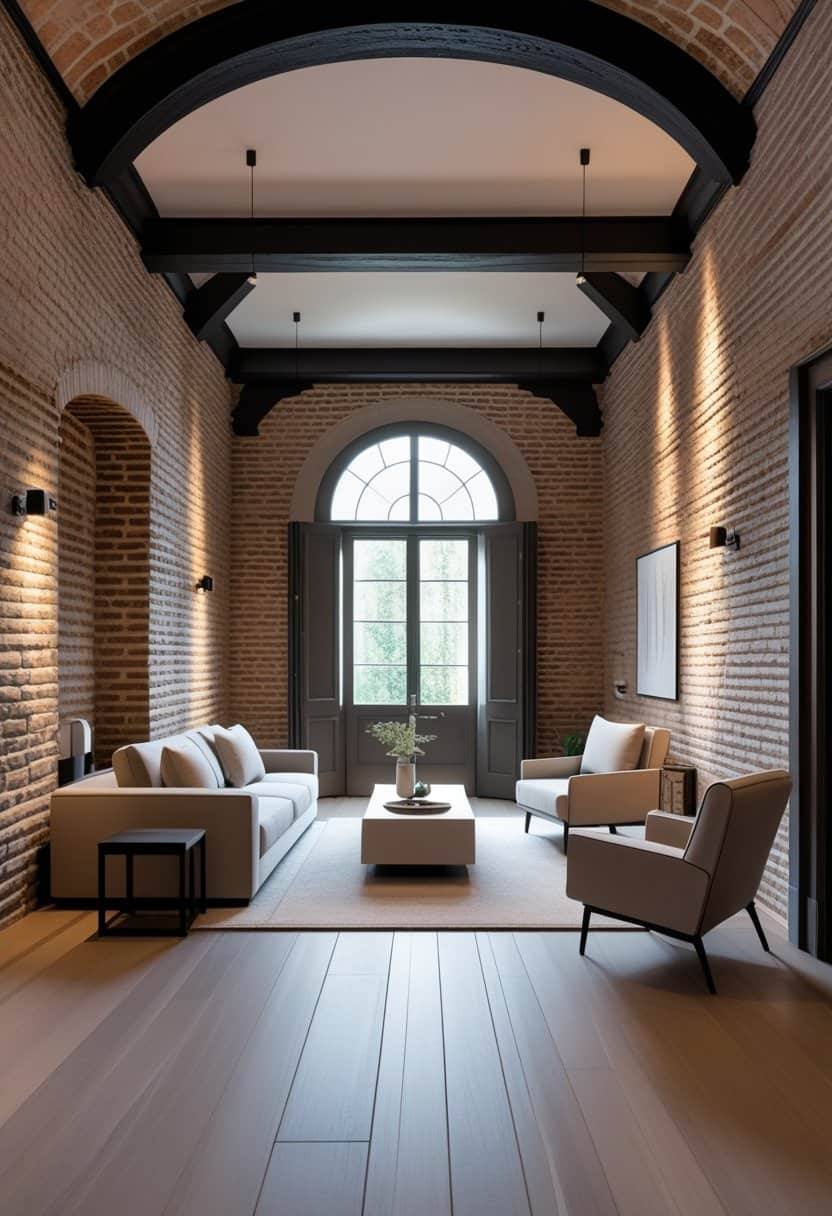
If your home has interesting features, let them stand out.
You can:
- Paint window or door frames in a subtle contrasting color.
- Use spotlights or wall lights to highlight brick walls, beams, or arches.
- Keep furniture slightly away from these features so they remain visible.
This adds style without needing extra décor.
21. Design for Flow and Easy Movement
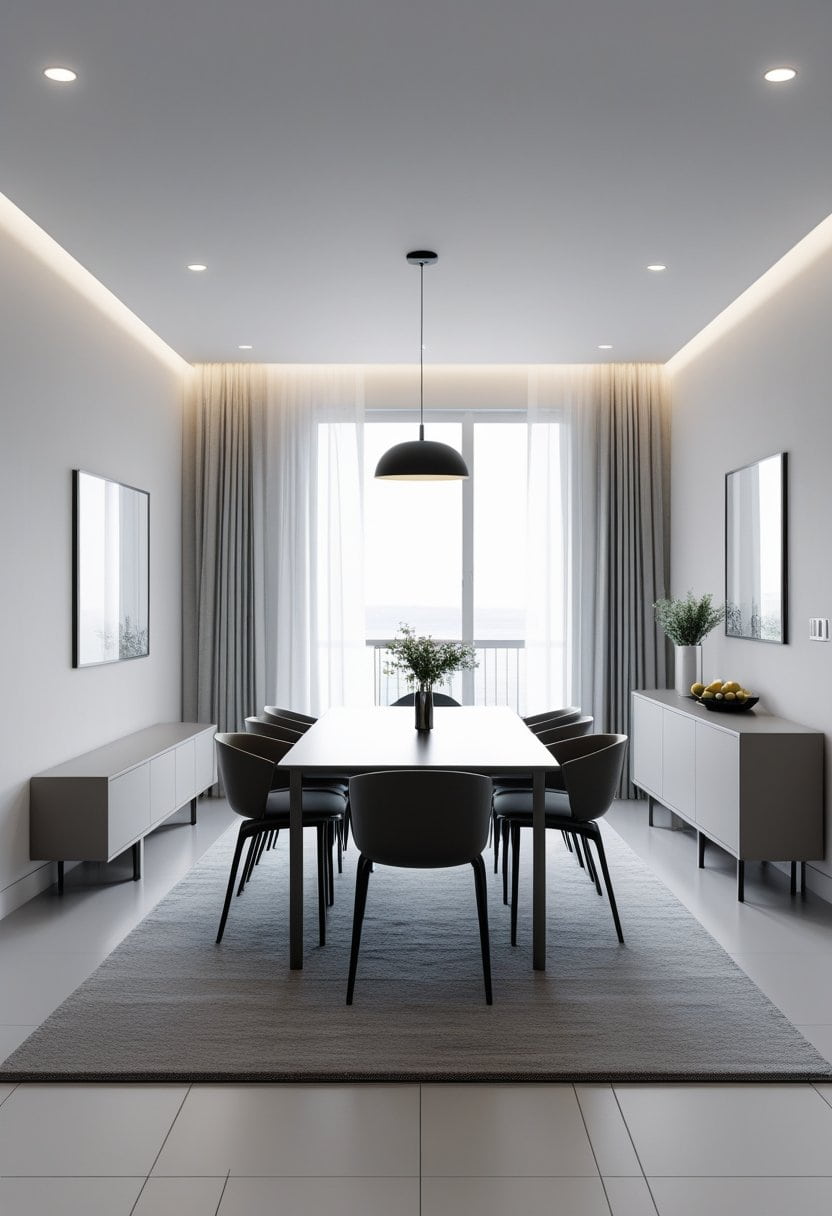
Good design is not only about looks; it’s about how you move through your home.
- Avoid blocking walkways with large furniture.
- Leave enough space between sofas, tables, and chairs.
- In dining areas, ensure chairs can be pulled out easily.
When the flow is good, your home feels more relaxed and practical.
22. Give Each Room a Clear Purpose
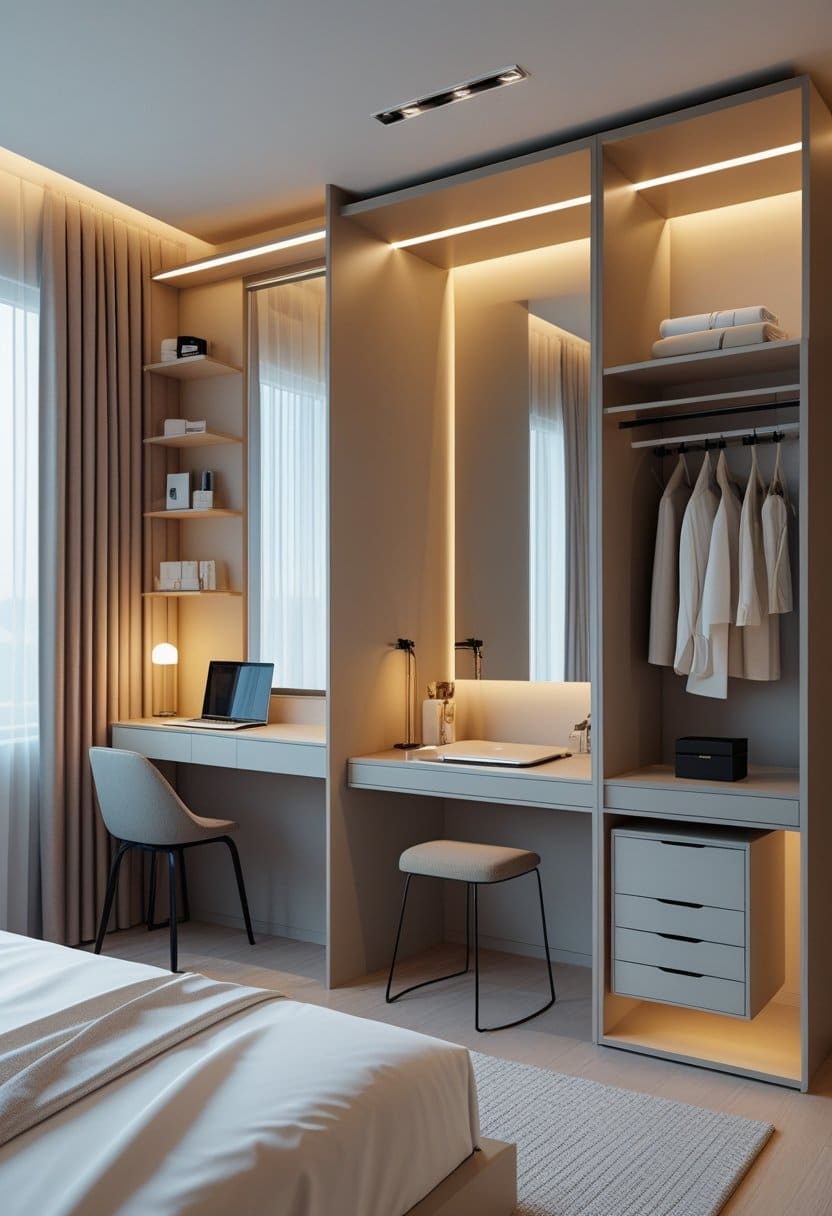
Even if you have a small home, giving each area a clear role makes it more efficient.
Examples:
- A corner of the living room as a work-from-home space.
- A part of the bedroom as a mini dressing area.
- A section of the hallway as storage or display.
Clear purpose helps you choose the right furniture and décor for each space.
23. Use Scent and Sound to Complete the Atmosphere
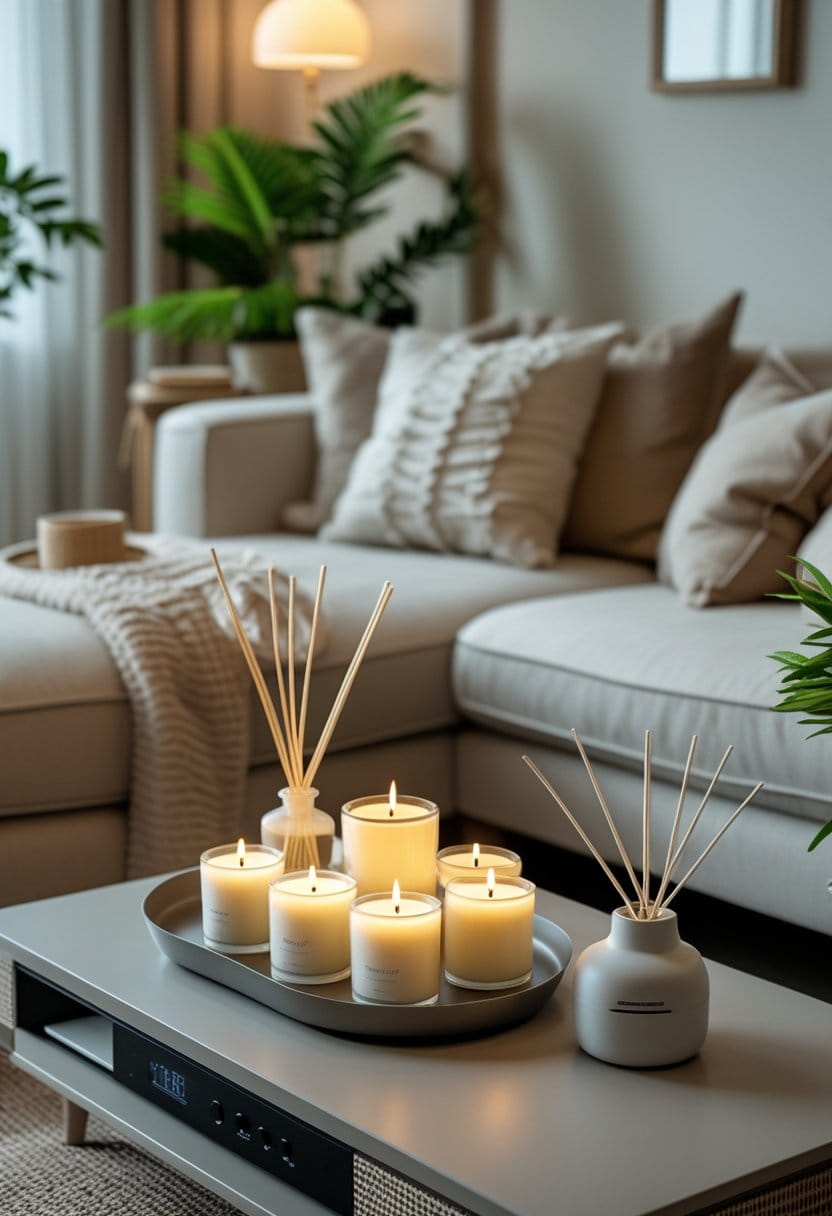
Interior design is not just visual. Smell and sound also affect how you feel in a room.
- Use candles, diffusers, or room sprays with gentle scents.
- Play soft background music in living or dining areas.
- Keep noisy items (like washing machines) behind doors when possible.
These small details make your home feel more relaxing and welcoming.
24. Rotate Décor with the Seasons
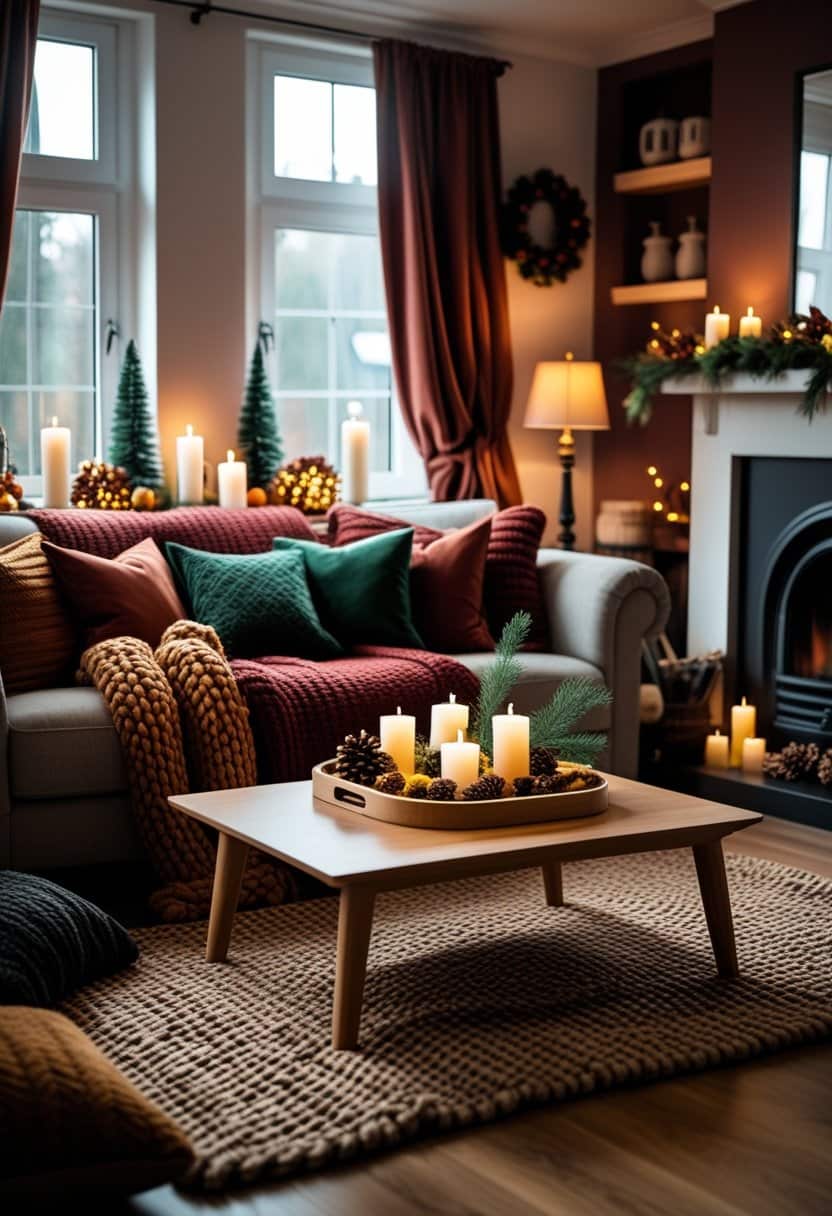
You don’t have to keep your home the same all year.
Try:
- Light fabrics and bright colors in spring and summer.
- Cozy throws, darker tones, and more candles in autumn and winter.
- Seasonal flowers or greenery on tables and shelves.
Rotating décor helps your home feel fresh without a full redesign.
25. Personalize with Meaningful Items
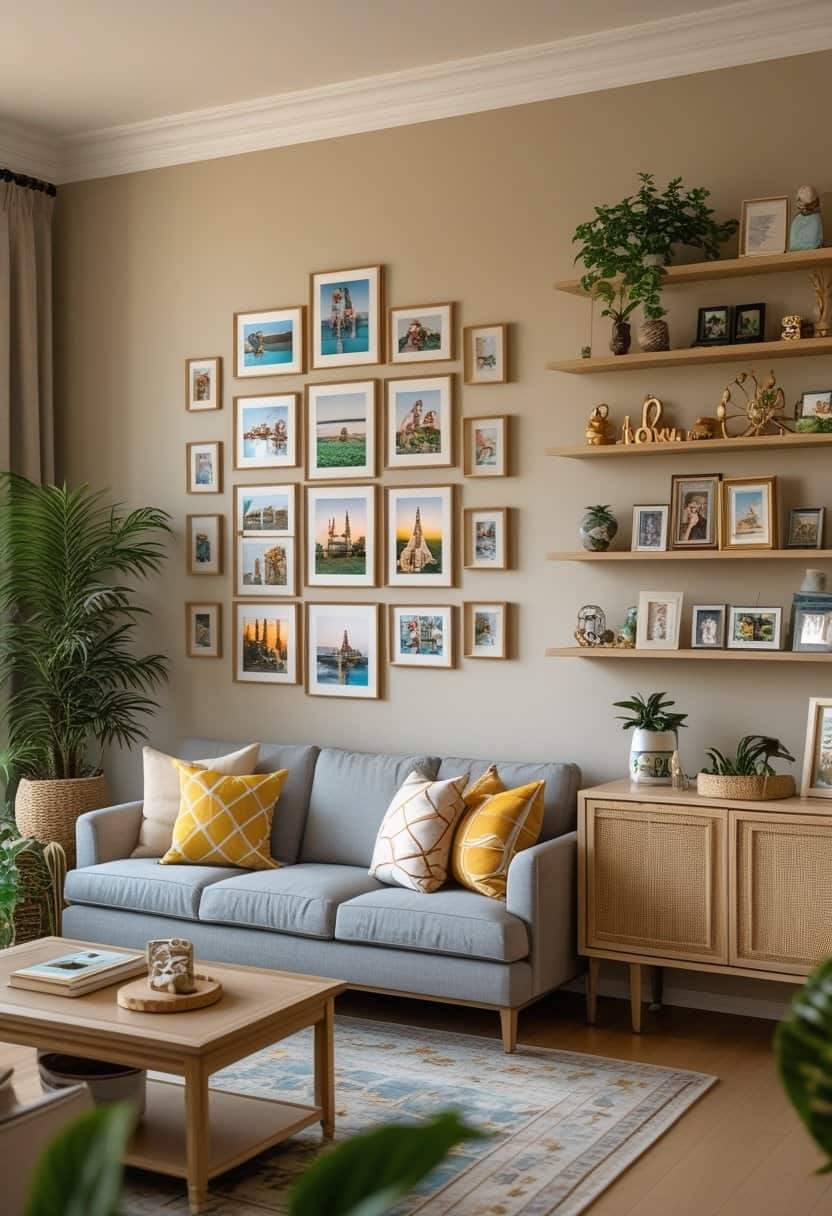
The most important part of home interior design is that your space feels like you.
Add:
- Family photos or travel memories.
- Handmade items, crafts, or art from local creators.
- Objects that tell a story, like souvenirs, medals, or heirlooms.
These personal touches turn a “nice” interior into a truly special home that reflects who you are.
Conclusion
You don’t need to use all 25 home interior design ideas at once. Start small:
- Pick one room to focus on.
- Choose a simple color palette.
- Improve lighting and remove clutter.
- Add one or two new elements, like plants or a rug.
- Slowly build up layers of texture, décor, and personal touches.
Over time, these ideas will help you create a home that is stylish, comfortable, and practical. The goal is not perfection, but a space where you feel relaxed, proud, and truly at home.

More Stories
20 Easy Halloween Room Decor Ideas for 2026
16 Halloween Outdoor Decor Ideas for Your Yard
15 Cozy Halloween Farmhouse Decor Ideas 2026