
Introduction
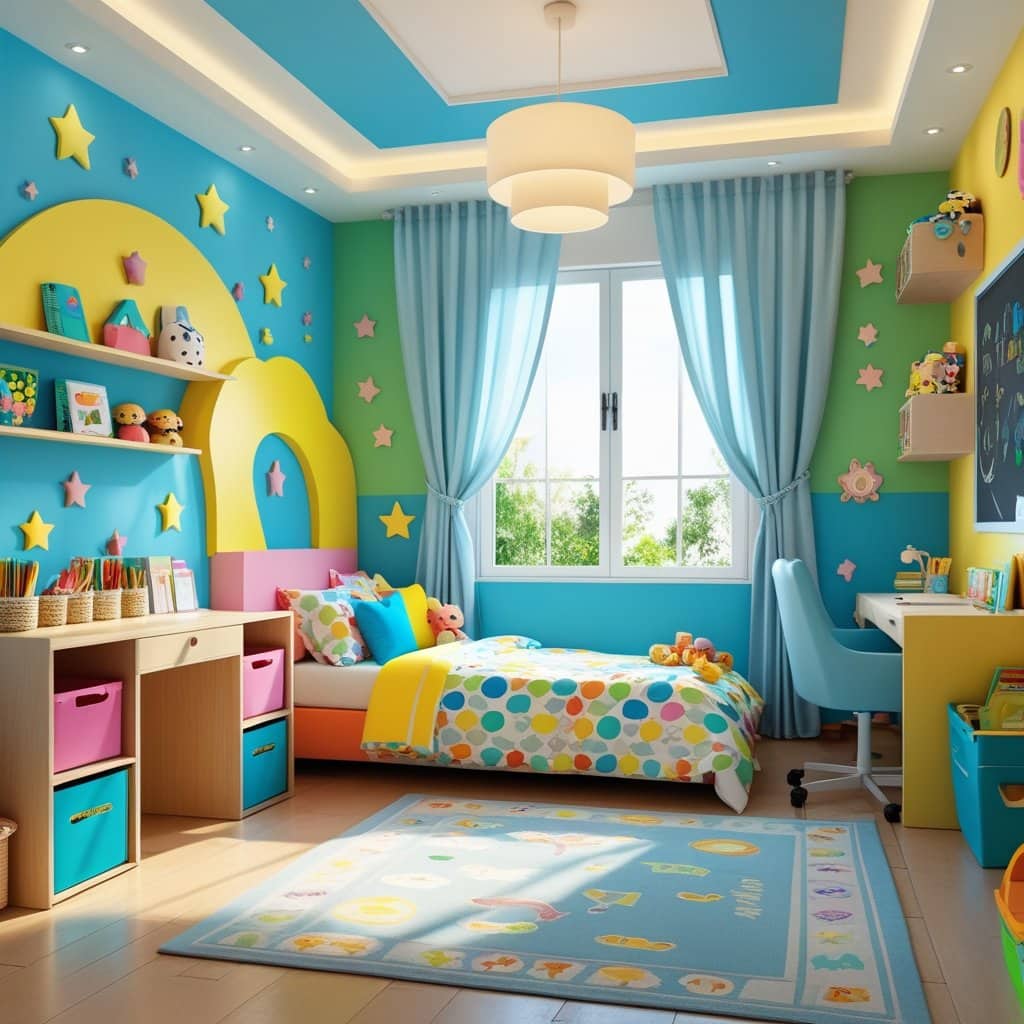
Designing a child’s bedroom is more than just picking out furniture and colors. A well-thought-out bedroom inspires creativity, supports learning, offers comfort, and provides a safe haven where kids can grow. Whether you’re decorating a room for a toddler, school-aged child, or teenager, thoughtful design can make their space both fun and functional.
In this guide, we’ll explore 22 kids’ bedroom ideas that combine practicality with playful charm. From creative themes and clever storage solutions to cozy reading nooks and personalized touches, these ideas will help you design a space your child will truly love.
Why Kids’ Bedroom Design Matters?
A child’s bedroom is not just for sleeping—it’s where they play, study, and develop their personalities. Studies show that children who have well-organized, stimulating environments are more likely to feel confident, focused, and independent. Colors, lighting, and layout can also affect mood and energy. For example, soft pastel tones can promote calmness, while bold colors inspire creativity and play.
1. Choose a Fun Theme
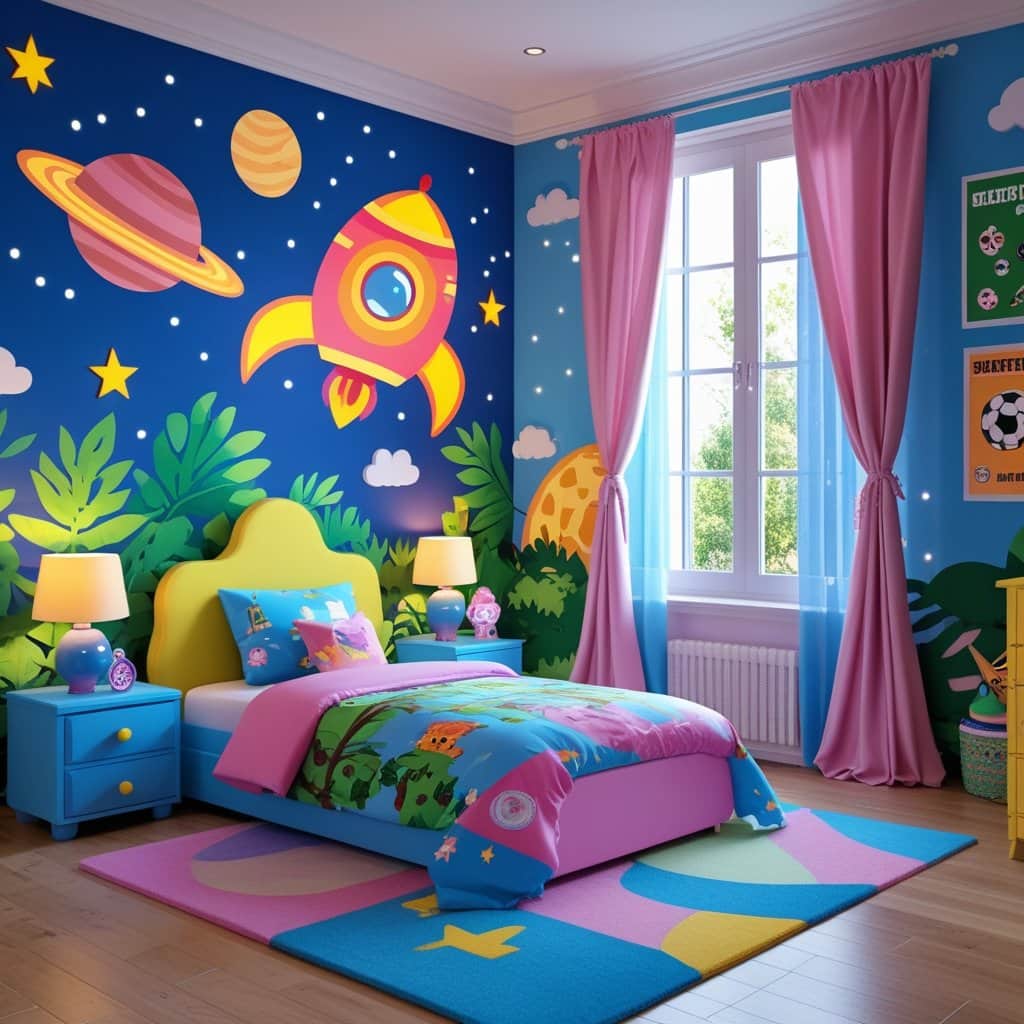
One of the most popular kids’ bedroom ideas is creating a theme. A theme brings personality into the room and makes it exciting for your child.
Some timeless themes include:
- Space Adventure – planets, rockets, and glowing stars.
- Jungle Safari – animal prints, greenery, and adventure maps.
- Princess Castle – fairy lights, soft drapes, and royal touches.
- Sports Fan – wall art, bedding, and decor inspired by their favorite sport.
Choosing a theme that reflects your child’s interests can keep them engaged in their room and make it their favorite spot in the house.
2. Add a Cozy Reading Nook
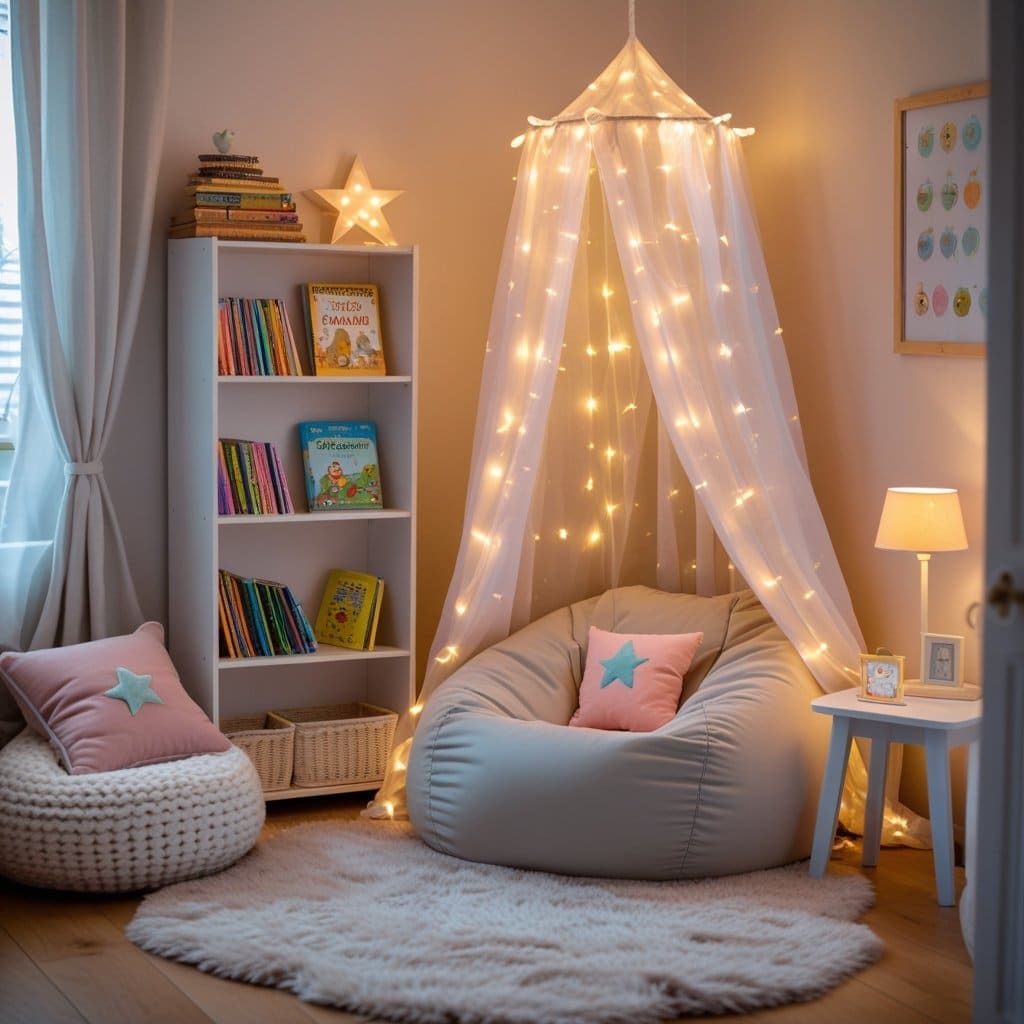
Encouraging kids to read is easier when they have a comfortable reading nook. A corner with a small bookshelf, bean bag, or soft chair can do wonders. Add fairy lights or a canopy to make it magical.
A 2023 survey by Scholastic revealed that 58% of kids say they enjoy reading more when they have their own special reading spot. This shows how important it is to give them an inviting corner for books.
3. Use Bright and Cheerful Colors
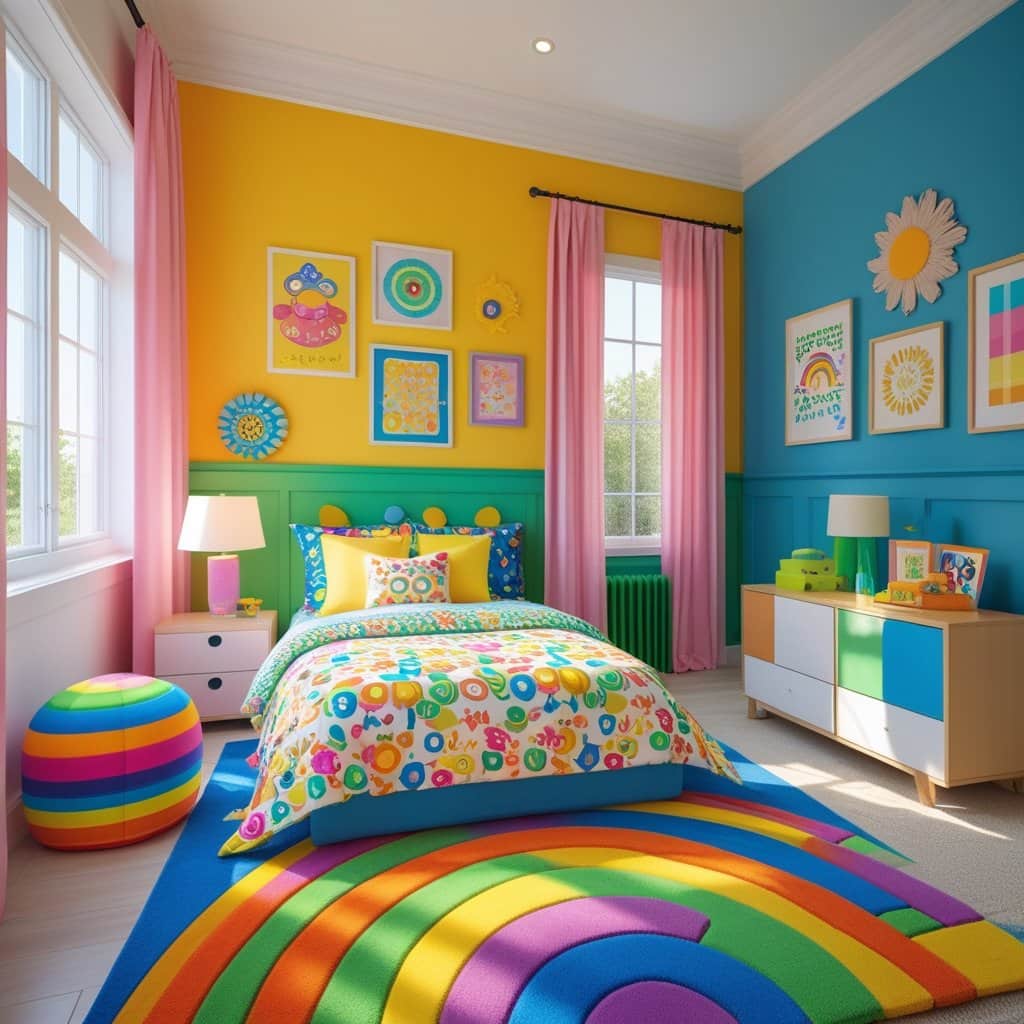
Colors play a huge role in shaping how kids feel in their bedroom. Instead of sticking to plain white walls, consider vibrant and cheerful shades.
- Yellow for positivity and energy.
- Blue for calmness and focus.
- Green for growth and balance.
- Pink or lavender for a soothing, playful vibe.
Mix bold wall colors with neutral furniture for balance, ensuring the space doesn’t feel overwhelming.
4. Go for Bunk Beds
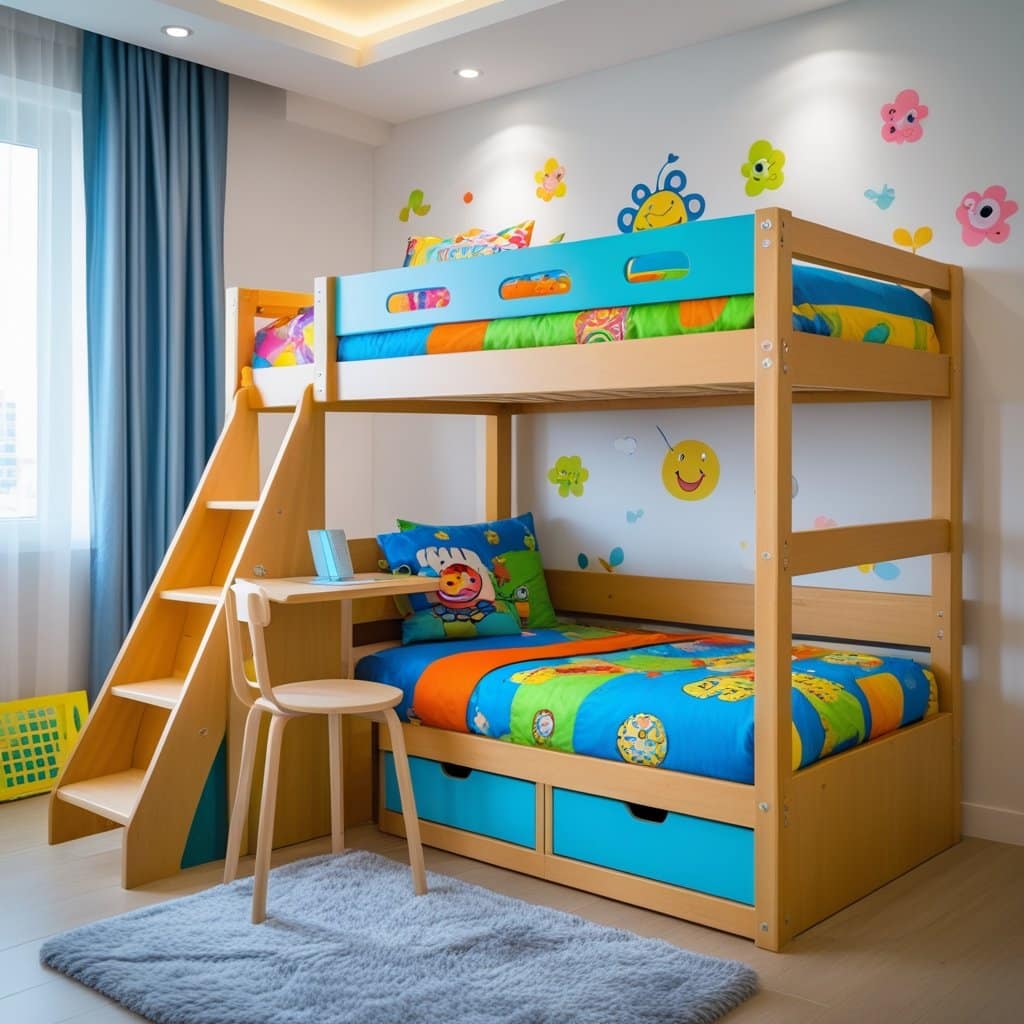
Bunk beds are a smart way to maximize space, especially in shared bedrooms. They’re not only practical but also fun for kids. Modern bunk bed designs often include built-in storage, desks, or slides, making them multifunctional.
If safety is a concern, opt for low-height bunk beds with guardrails, perfect for younger children.
5. Add Creative Wall Art

Walls are like blank canvases in kids’ bedrooms. Instead of keeping them plain, decorate with:
- Murals of favorite animals or characters.
- Removable wall stickers (great for when interests change).
- Chalkboard or whiteboard walls for doodling.
- Growth charts designed as art pieces.
Wall art helps personalize the room and can be updated easily as your child grows.
6. Incorporate Learning Spaces
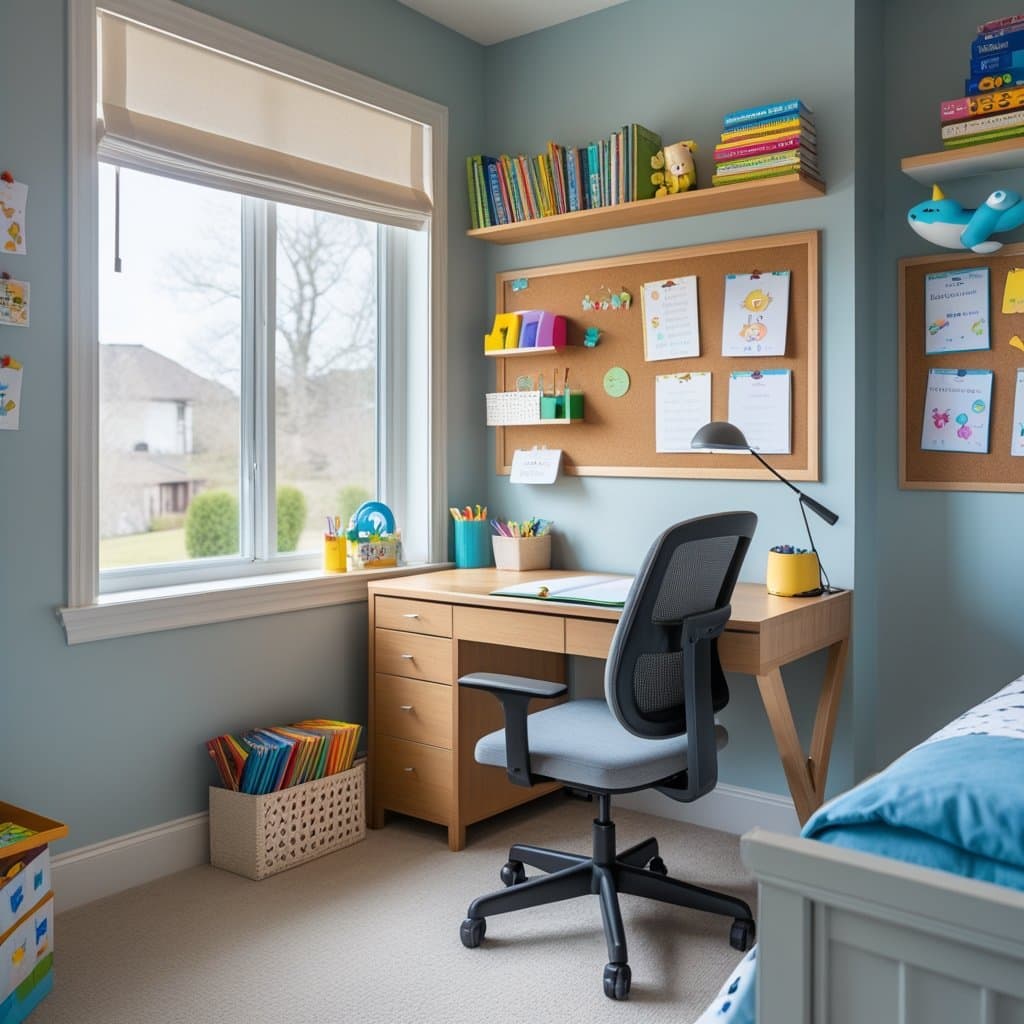
Every kid’s bedroom should have a space for learning. A small desk with proper lighting and storage for books and supplies encourages good study habits.
Add a pinboard or corkboard to display achievements, schedules, or creative artwork. A dedicated workspace helps separate study time from playtime.
7. Use Smart Storage Solutions
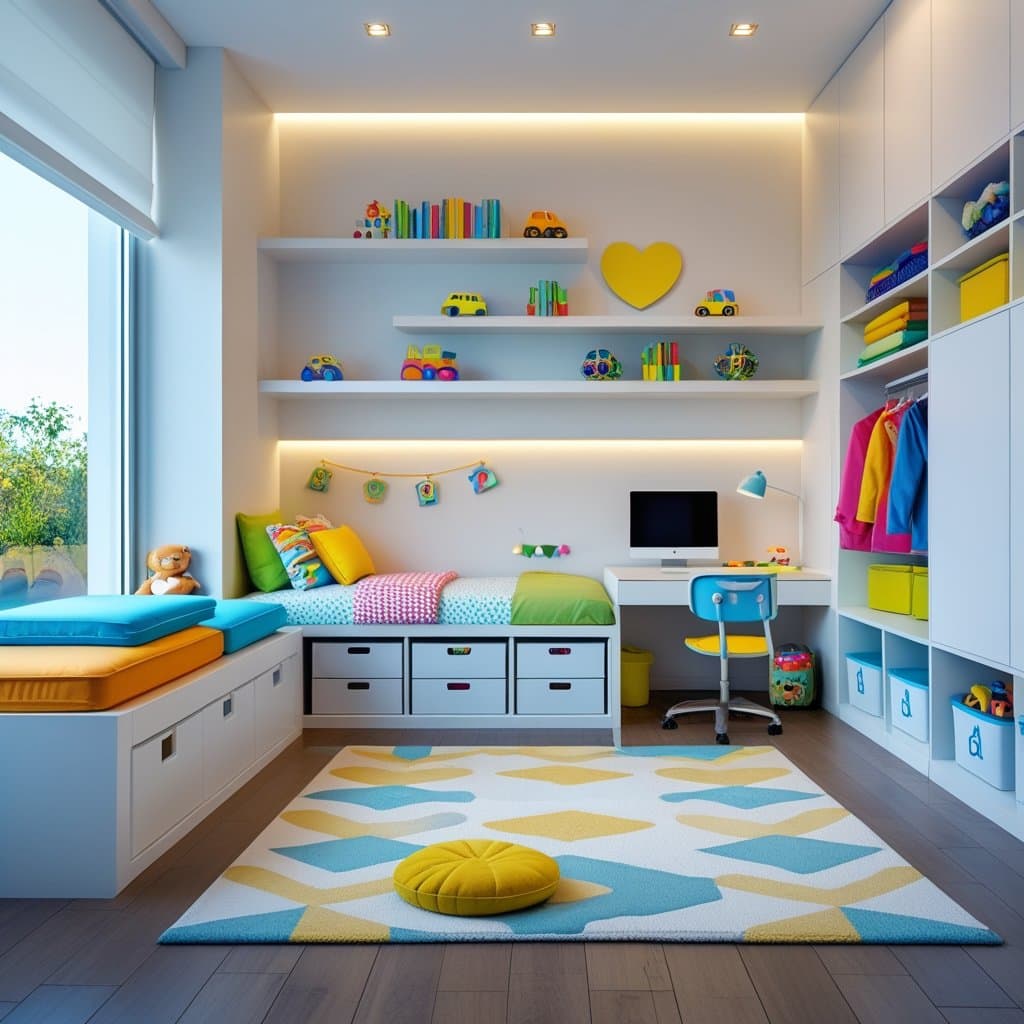
Kids often have toys, clothes, books, and craft supplies scattered everywhere. Clever storage solutions make it easier to stay organized:
- Under-bed storage boxes.
- Floating wall shelves.
- Storage benches.
- Labeled bins or baskets.
Encouraging kids to put things back in their place also teaches responsibility and independence.
8. Add a Play Area
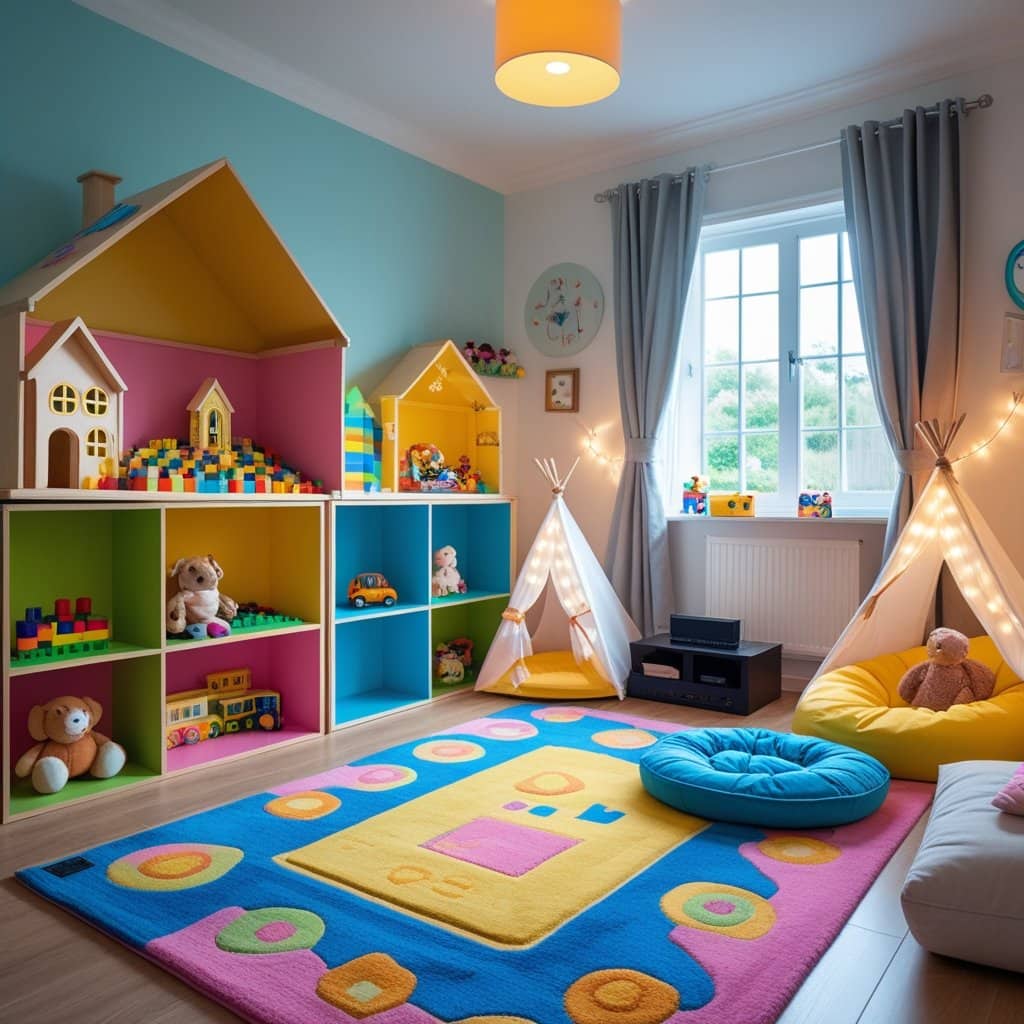
A play area within the bedroom keeps the fun contained. You don’t need a large space—just a small rug with toys, building blocks, or a dollhouse can do the trick.
For older kids, this could be a mini-gaming corner with bean bags and a console. The idea is to dedicate a specific spot for play to keep the rest of the room tidy.
9. Personalize with Name Signs
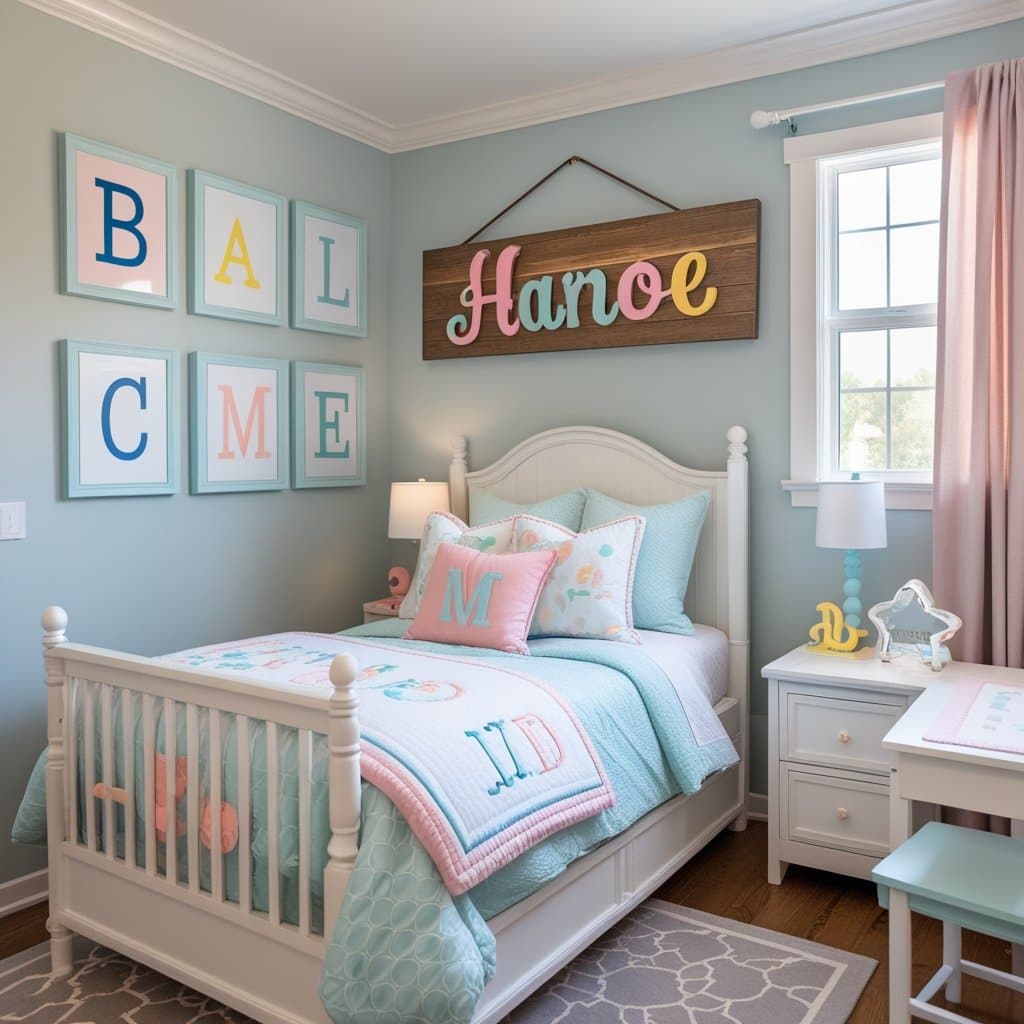
Children love seeing their names as part of the decor. Personalized name signs, wall decals, or even monogrammed pillows make them feel special.
This simple touch can transform a plain bedroom into a space that truly feels like it belongs to them.
10. Choose Kid-Friendly Furniture
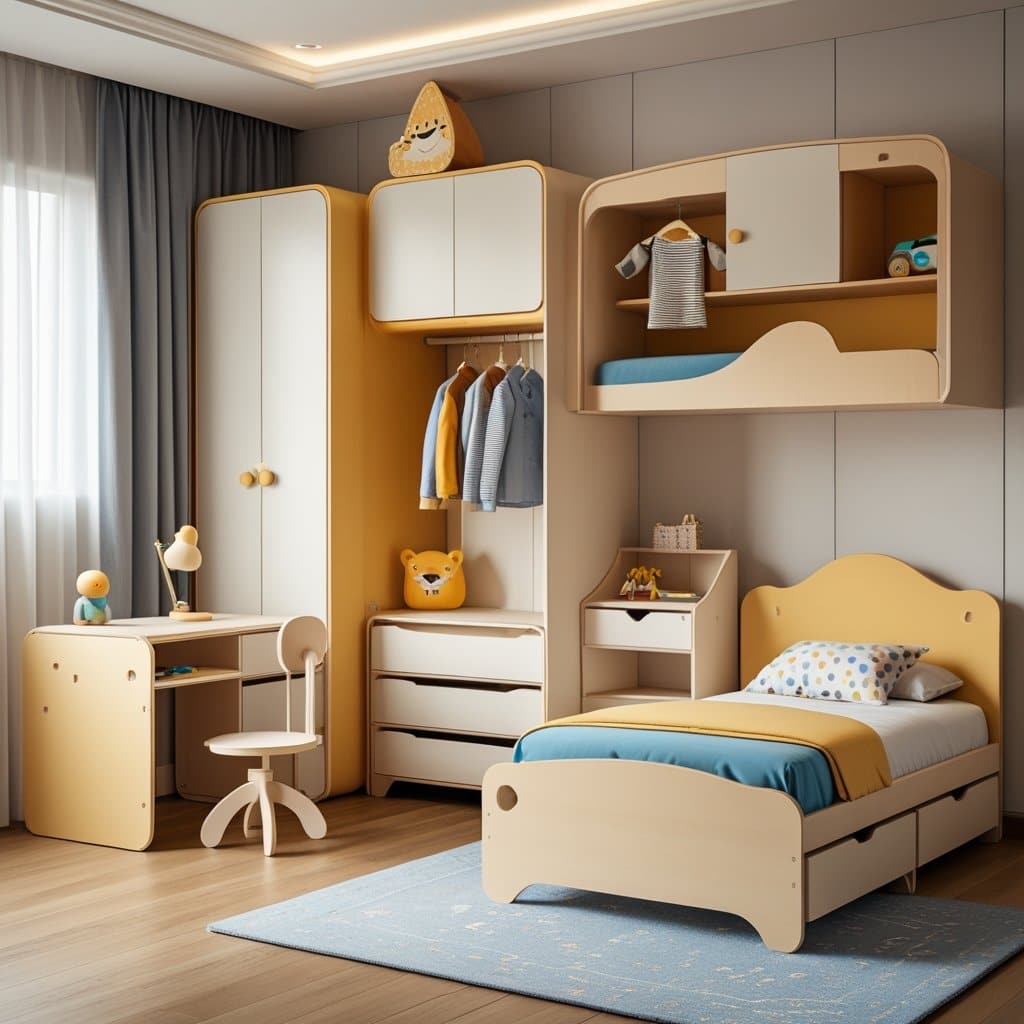
When picking furniture for kids, think about comfort, safety, and durability. Rounded edges, non-toxic paints, and sturdy materials are essential.
Consider multi-functional pieces like a bed with drawers or a desk that grows with the child. Long-lasting furniture saves money in the long run.
11. Add a Creative Display Wall
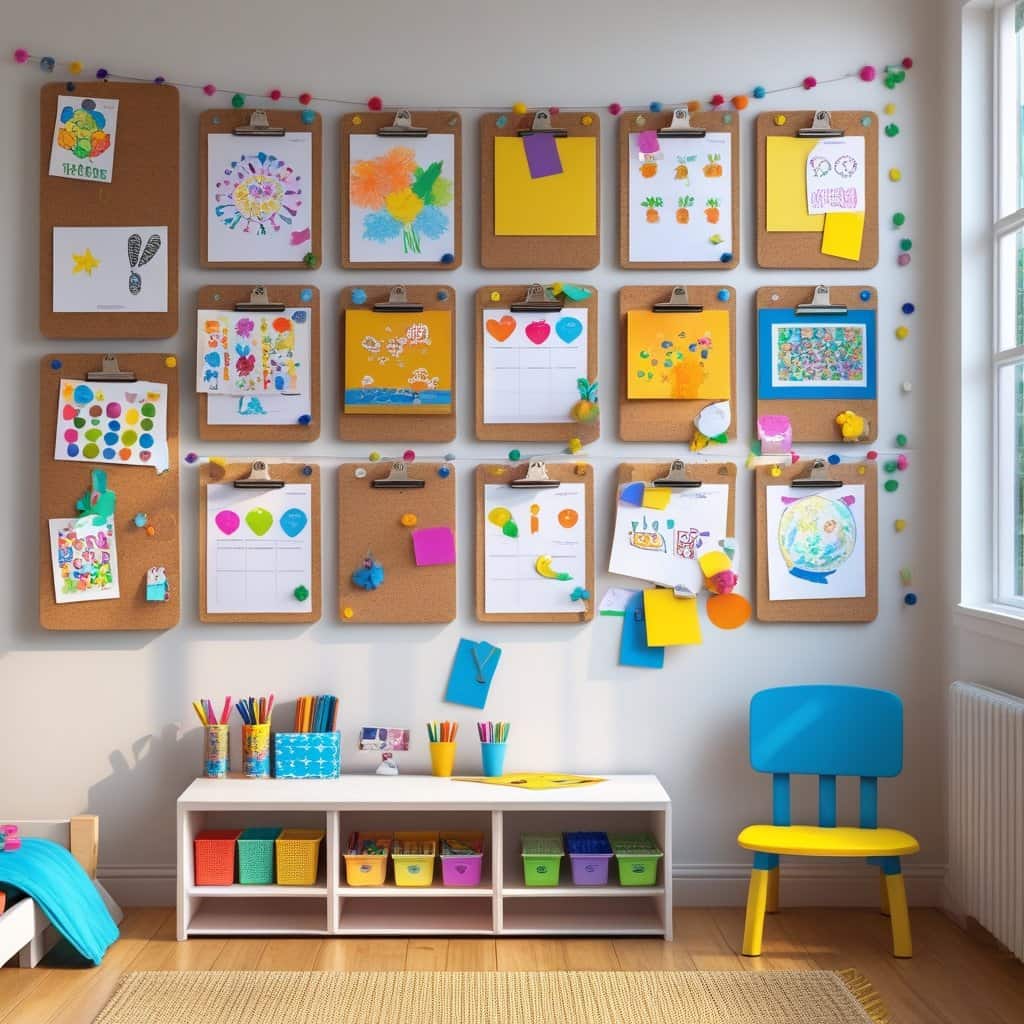
Kids love to show off their drawings, crafts, or certificates. A display wall with corkboards, clipboards, or string and clips is a wonderful way to showcase their work.
This not only boosts their confidence but also keeps the room lively and unique.
12. Layer with Rugs and Textiles
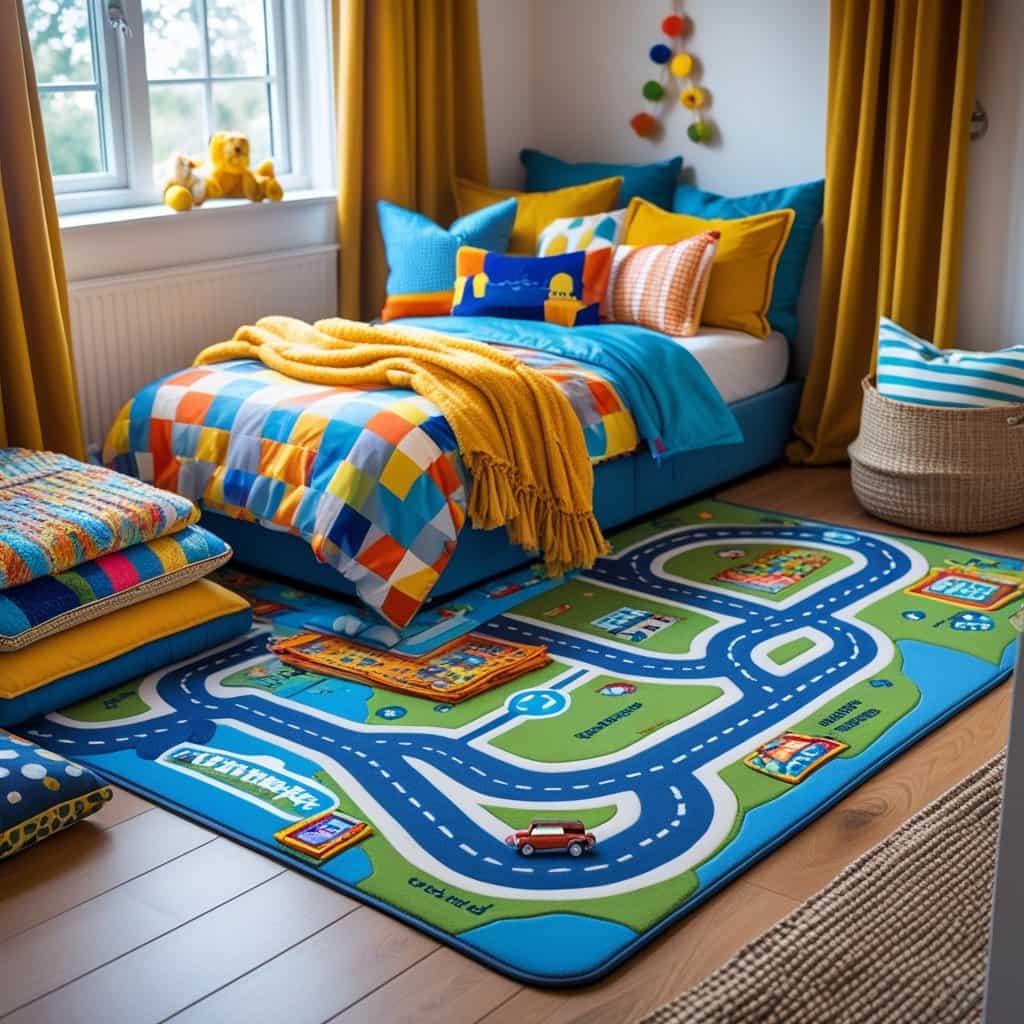
Soft rugs and layered textiles bring warmth and comfort to the room. Play mats or themed rugs (like roads, castles, or maps) double as play spaces.
Textiles like colorful throws, curtains, and cushions allow for quick updates without a full room makeover.
13. Use Lighting to Set the Mood
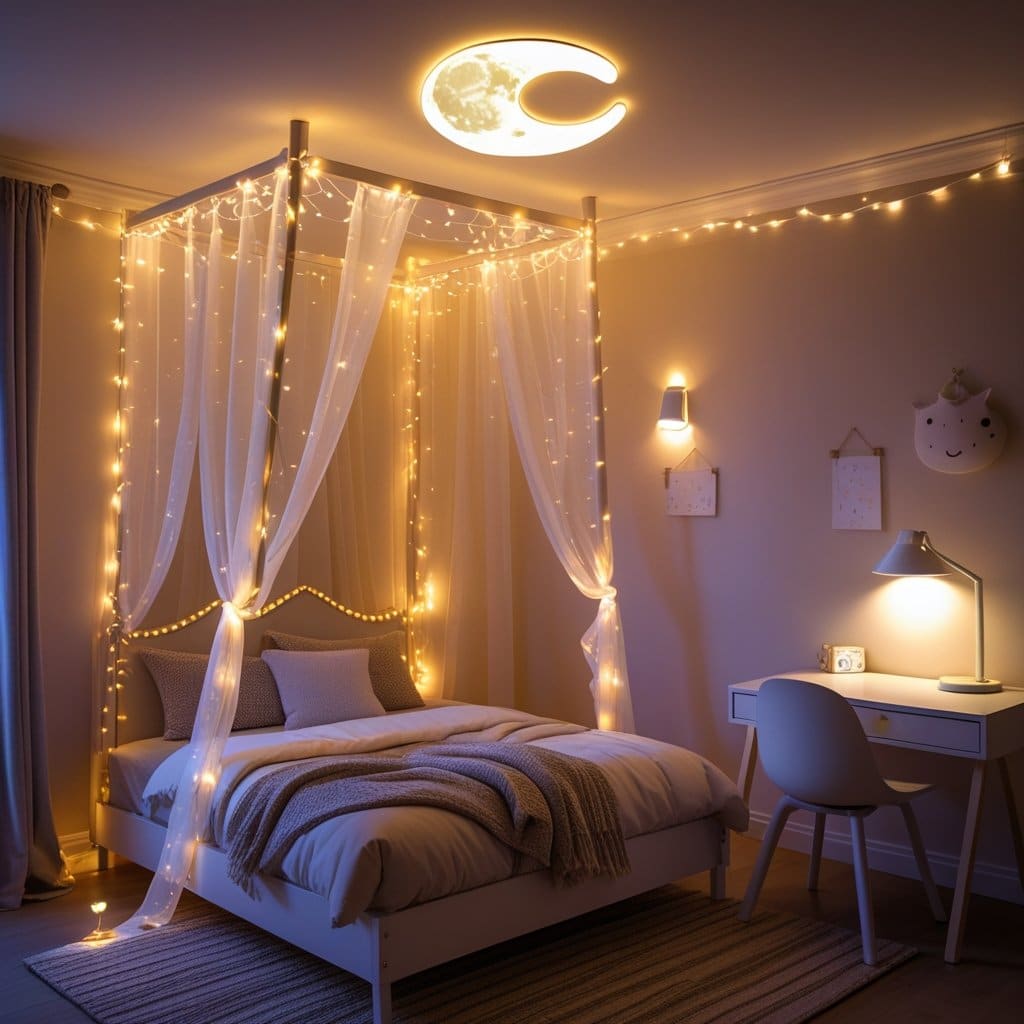
Lighting can change the feel of a kid’s bedroom instantly. Consider:
- Nightlights for comfort.
- String lights or fairy lights for magic.
- Task lighting for study desks.
- Ceiling lights with playful designs.
A well-lit bedroom ensures safety while also creating the right mood for sleep or play.
14. Create Zones for Activities
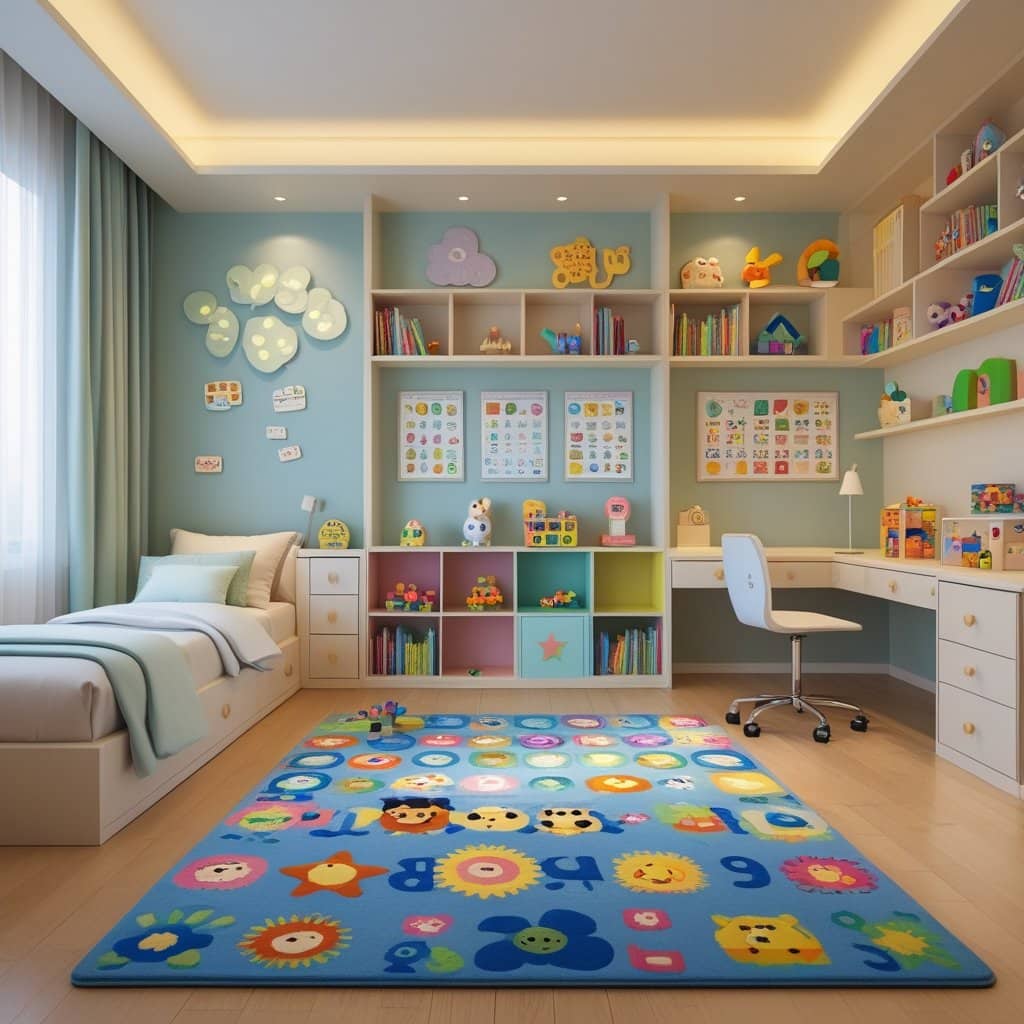
Divide the bedroom into different zones: sleep, study, and play. This organization helps children understand boundaries and routines.
For example, the bed is only for sleeping, the desk is for studying, and the rug area is for playing. This separation also keeps the room neater.
15. Add Growth-Friendly Decor
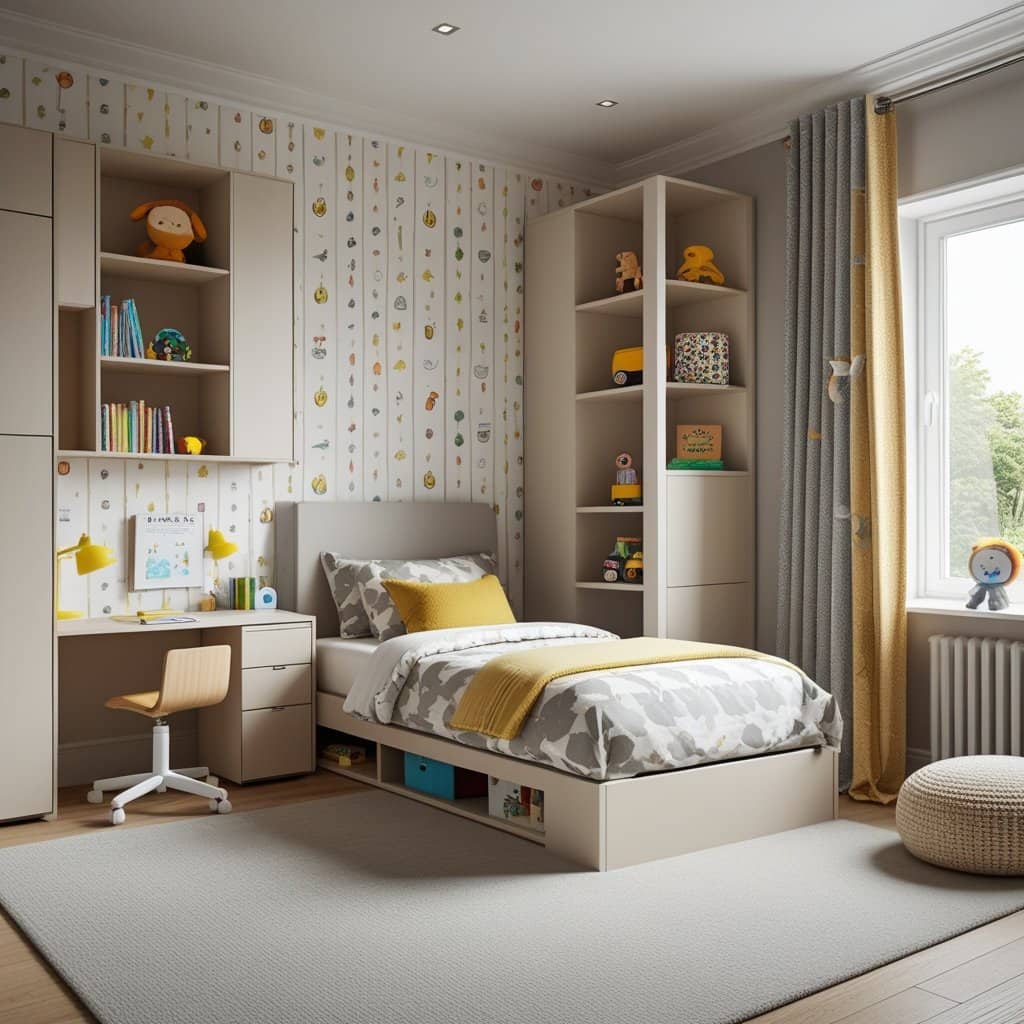
Kids grow quickly, and so do their interests. Choose decor that can evolve with them. Neutral-colored furniture, removable wallpapers, and flexible shelving make it easy to update the room as they age.
This saves time and money on frequent redesigns.
16. Use Natural Elements
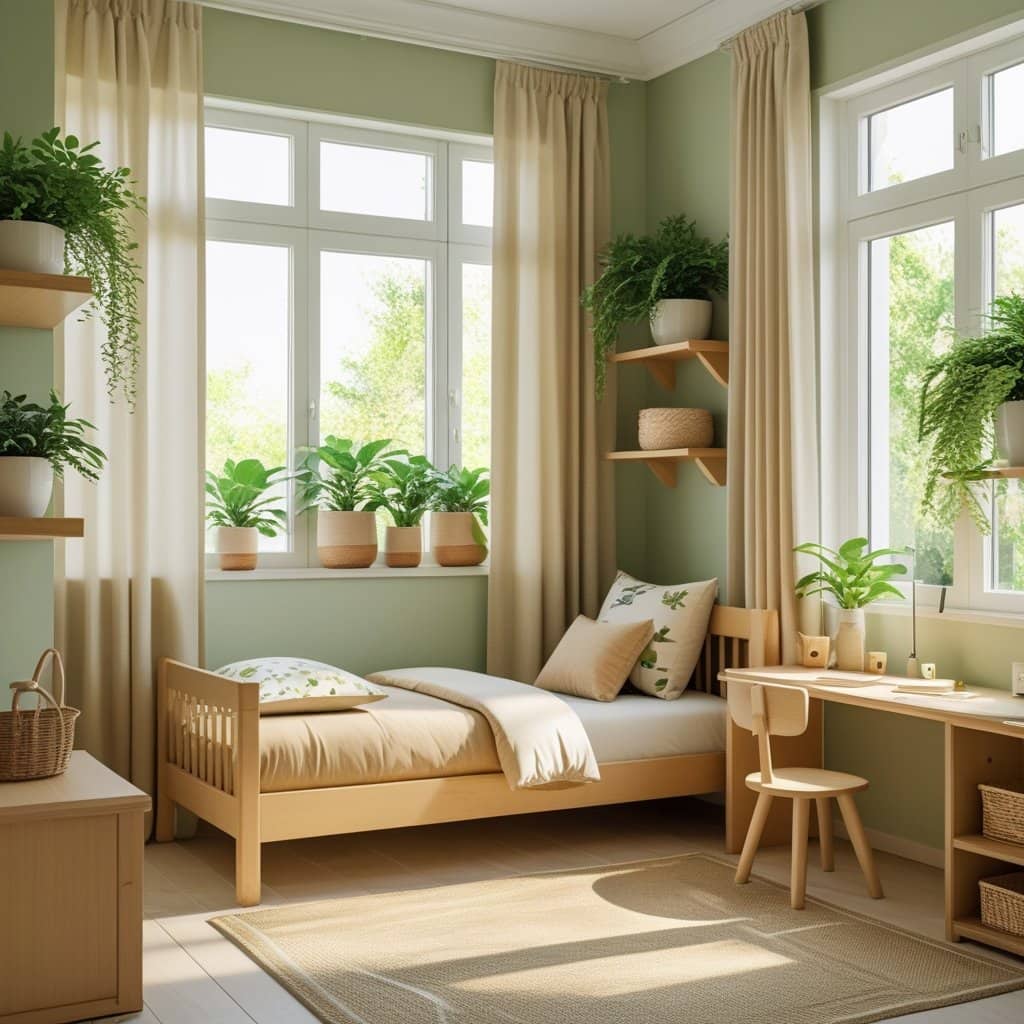
Bringing nature into the bedroom adds calmness. Plants (safe, non-toxic ones), wooden furniture, and natural fabrics make the room cozy and fresh.
Nature-inspired decor also teaches kids to appreciate the environment.
17. Add Interactive Elements
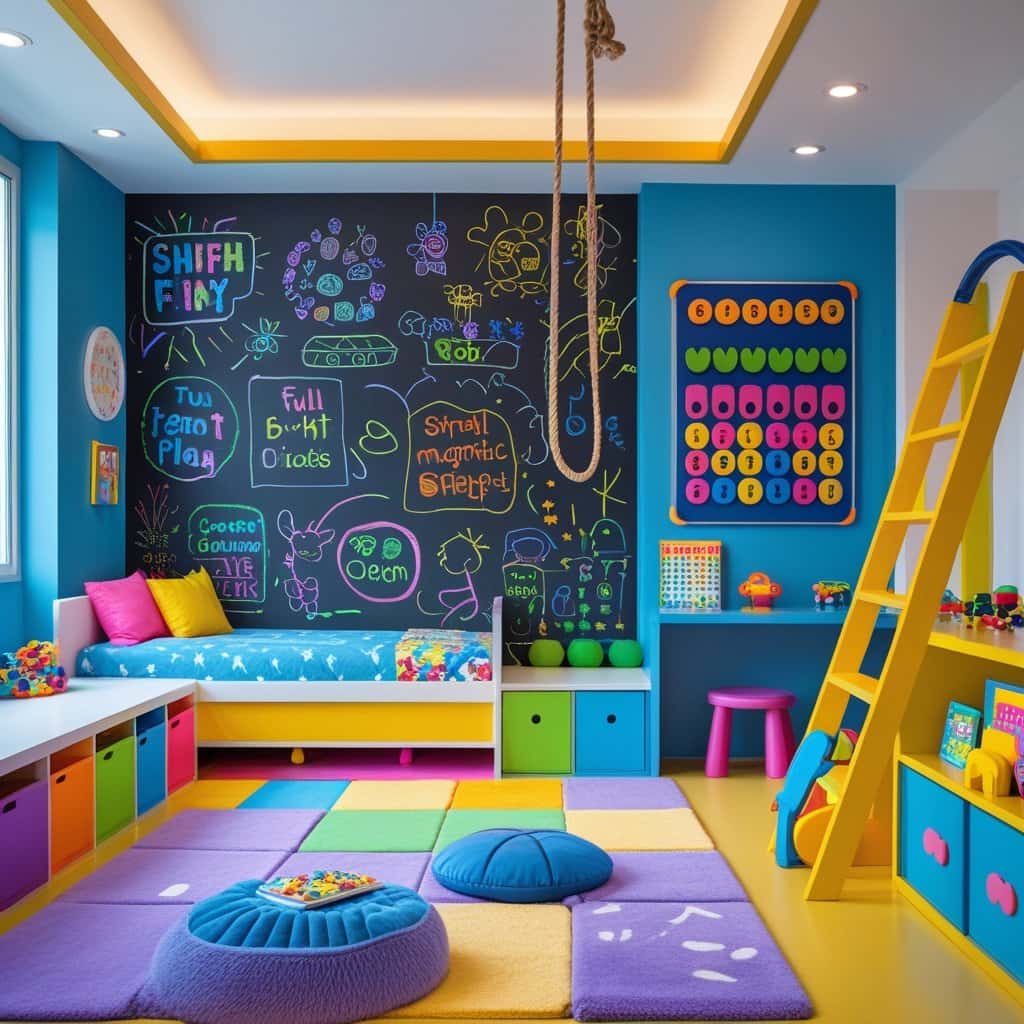
Interactive features keep kids engaged. Chalkboard paint walls, climbing ropes, or magnetic boards are fun and practical.
For younger children, sensory-friendly elements like soft textures or interactive toys can enhance learning.
18. Design a Shared Bedroom Smartly
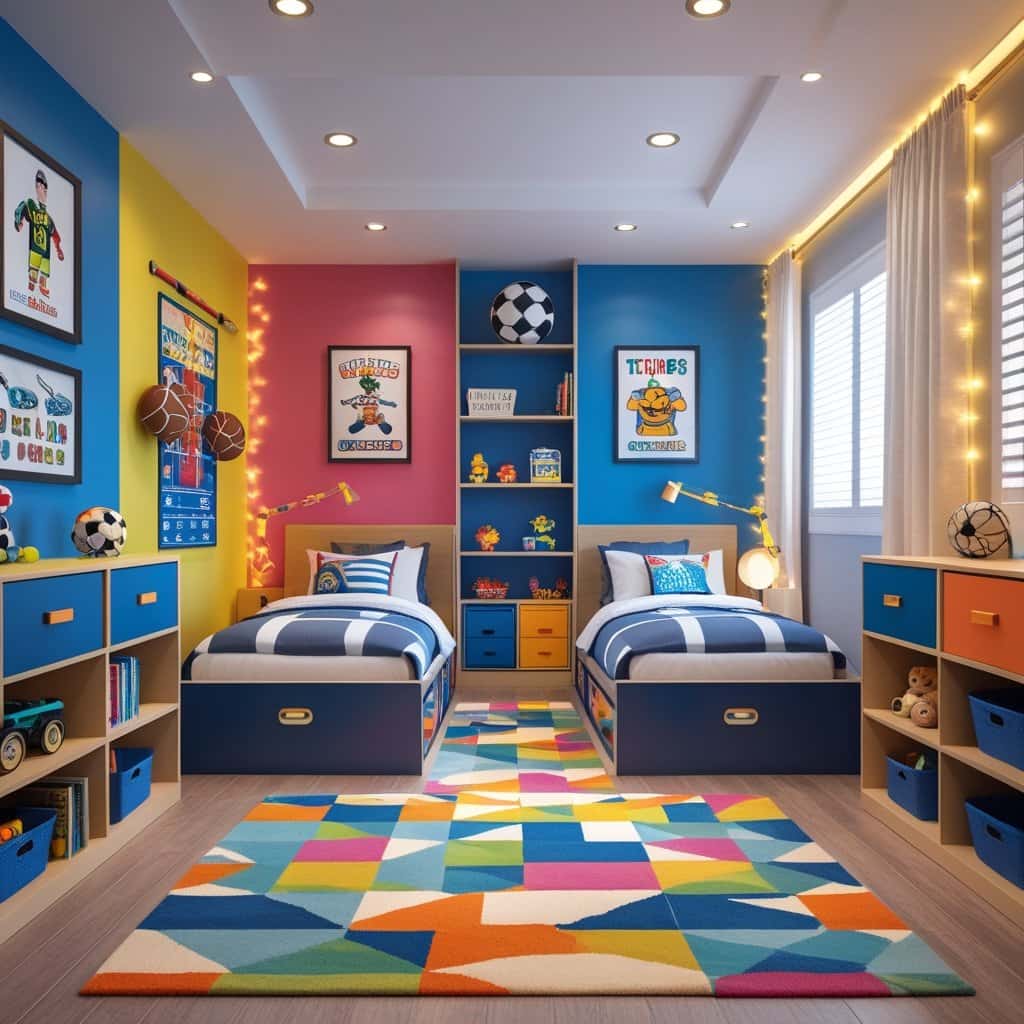
If siblings share a room, balance is key. Use bunk beds or twin beds with a divider in between. Give each child their own storage and personalized touches so they feel ownership over their space.
Coordinating colors but allowing for different themes can help maintain individuality.
19. Add a Canopy or Tent

Canopies and play tents create cozy hideaways. These are perfect for imaginative play or quiet reading.
A canopy over the bed can also make sleeping more magical, giving kids a sense of comfort and security.
20. Encourage Creativity with Craft Corners
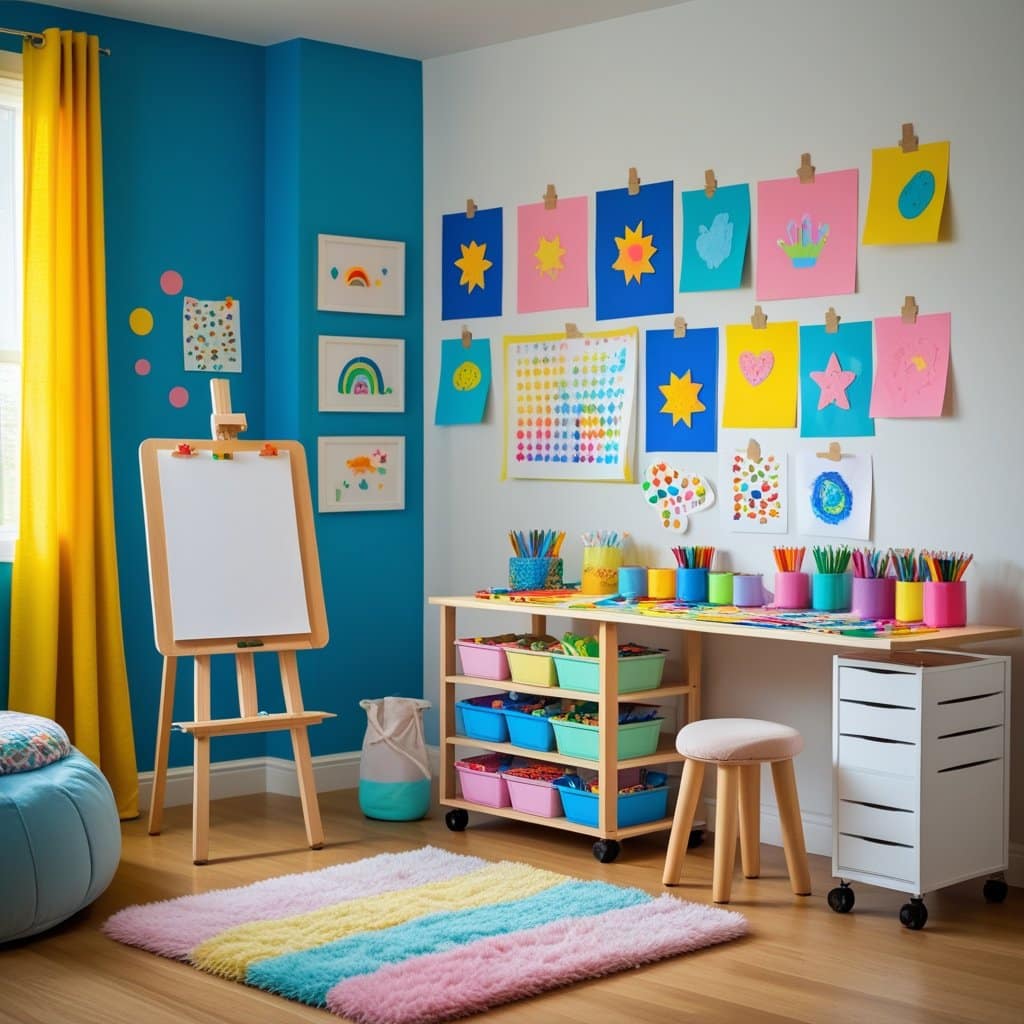
If your child loves art, dedicate a small corner with an easel, art supplies, and a storage cart. Having a designated creative space encourages self-expression while keeping mess contained.
21. Add Tech-Free Zones
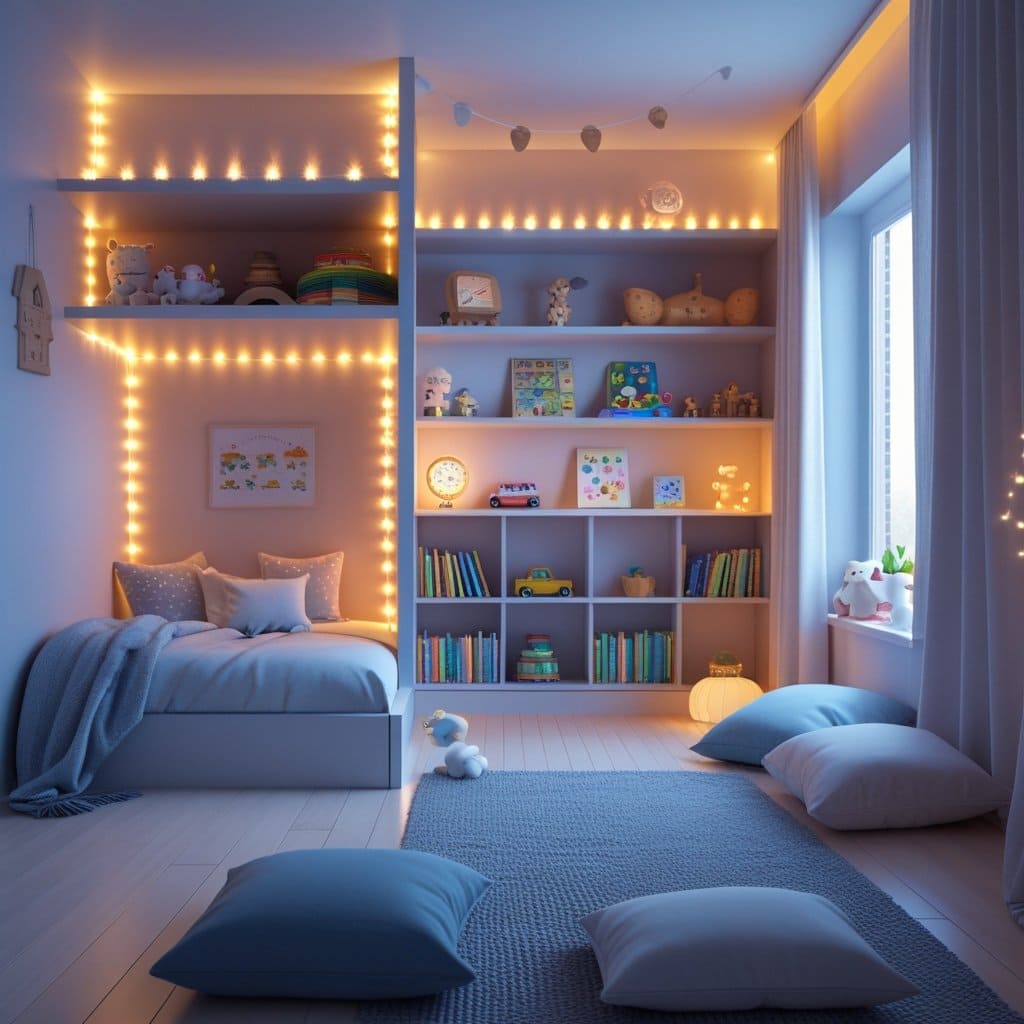
While gadgets are part of modern life, it’s important to have tech-free areas in kids’ bedrooms. A reading nook, play corner, or bedtime routine without screens can improve sleep quality and creativity.
The American Academy of Pediatrics recommends keeping devices out of bedrooms to ensure healthy sleep.
22. Celebrate Achievements in Decor
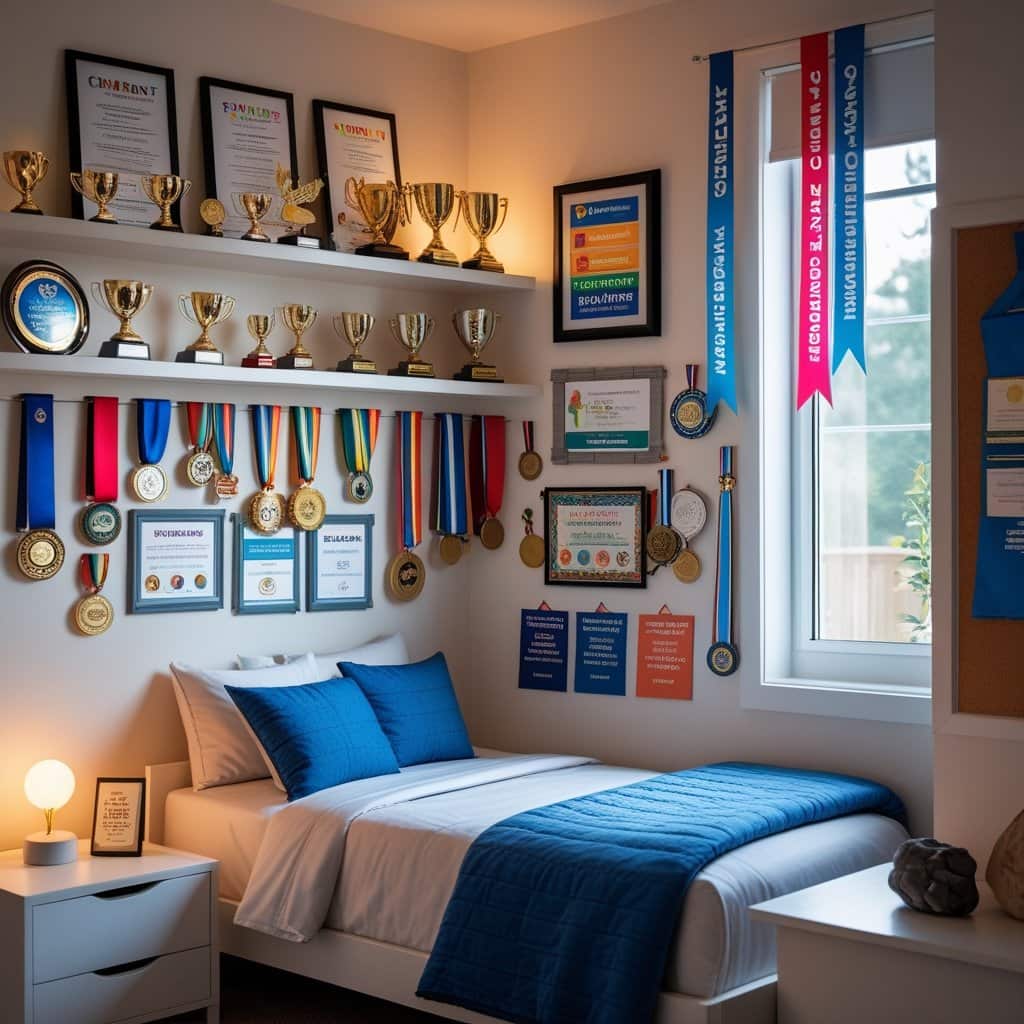
Displaying trophies, certificates, or medals can motivate kids. A shelf dedicated to their achievements makes them feel proud and encourages them to keep striving.
This is a simple yet powerful way to boost confidence through bedroom decor.
Conclusion
Designing a child’s bedroom is a balance between fun and function. The best spaces grow with the child, support their creativity, and provide comfort. Whether you’re adding a cozy reading nook, smart storage, or a playful theme, these 22 kids’ bedroom ideas can help you create a room your child will cherish for years.
A bedroom designed with love, practicality, and imagination becomes more than just four walls—it becomes a safe space where your child’s personality shines.


More Stories
18 Half Bathroom Ideas to Maximize Small Spaces
22 Room Decor Ideas to Refresh Your Bedroom Style
19 Farmhouse Living Room Ideas for Rustic Charm