
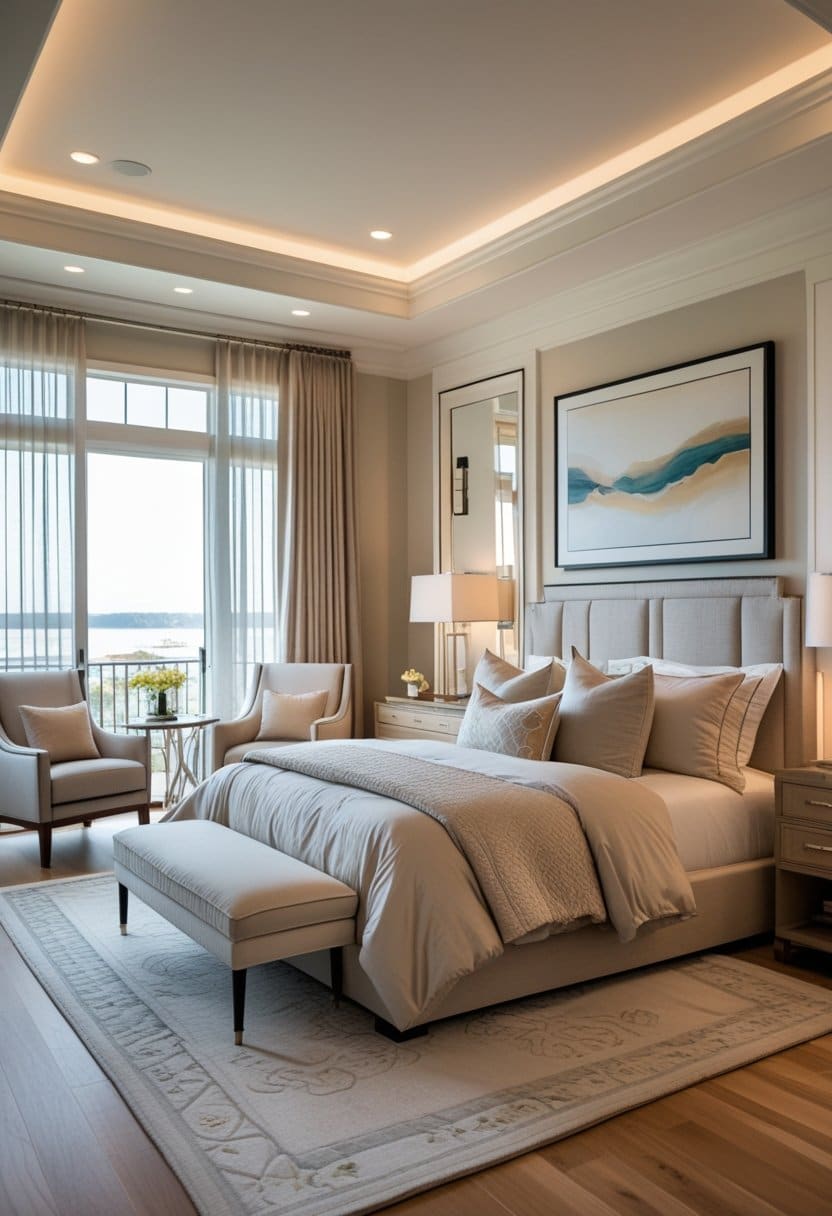
Introduction
Designing the perfect bedroom isn’t just about choosing stylish furniture or soothing colors—it’s about creating a layout that feels both functional and relaxing. Your bedroom layout plays a key role in how spacious, comfortable, and balanced your space feels. Whether you’re working with a compact room or a large master suite, finding the right arrangement can completely transform the atmosphere.
In this guide, we’ll explore 17 bedroom layout ideas that combine practicality and design, helping you make the most of every square inch while keeping your room beautiful and cozy.
1. Center the Bed for Symmetry
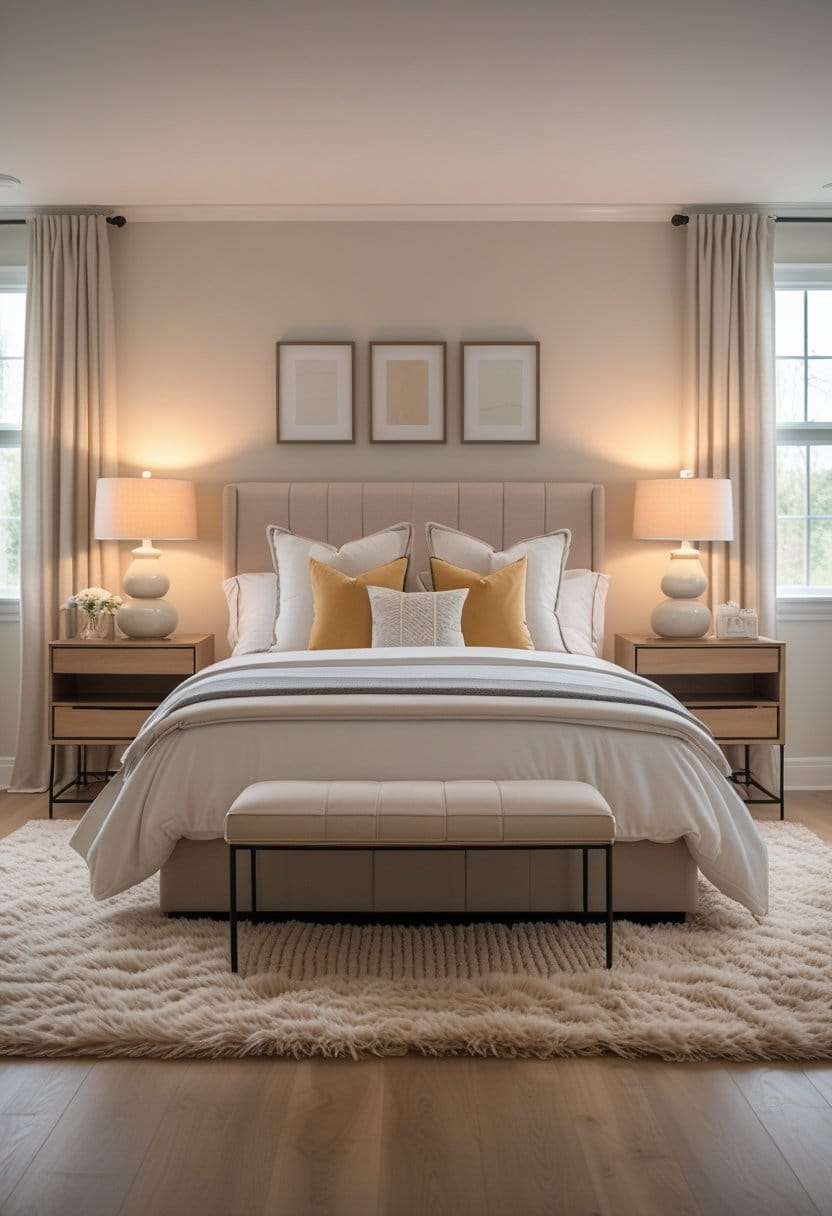
One of the most timeless bedroom layout ideas is placing your bed in the center of the main wall. This symmetrical setup creates visual balance and gives your room a naturally organized look. It also allows space for matching nightstands and lamps on both sides, enhancing the aesthetic harmony. A centered bed works best in rectangular rooms where you can move freely around the bed from both sides without obstruction.
2. Corner Bed Layout for Small Bedrooms

If your bedroom is compact, placing the bed in a corner can free up valuable floor space. This setup creates a cozy, tucked-in feel and opens up more room for other furniture or walking areas. It’s especially effective for guest rooms or studio apartments. You can balance the layout by adding a small shelf or corner light fixture above the bed to create visual interest.
3. Floating Bed with Open Space Around
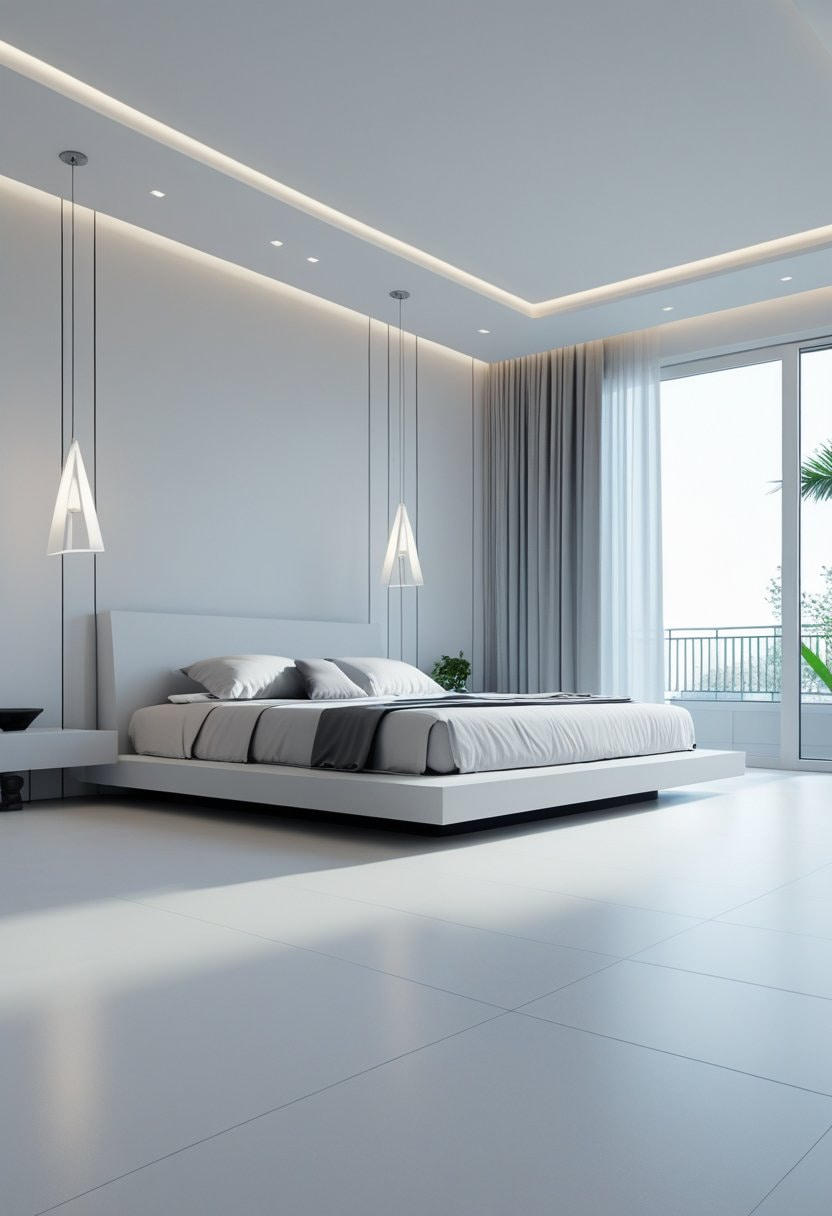
A floating layout involves positioning the bed slightly away from the wall—often in the middle of the room—to create an open and airy feeling. This idea works well in large bedrooms with lots of space to move around. You can use a low platform bed to enhance the modern look and add a console or bookshelf behind the headboard to subtly separate zones.
4. Layout with a Statement Wall
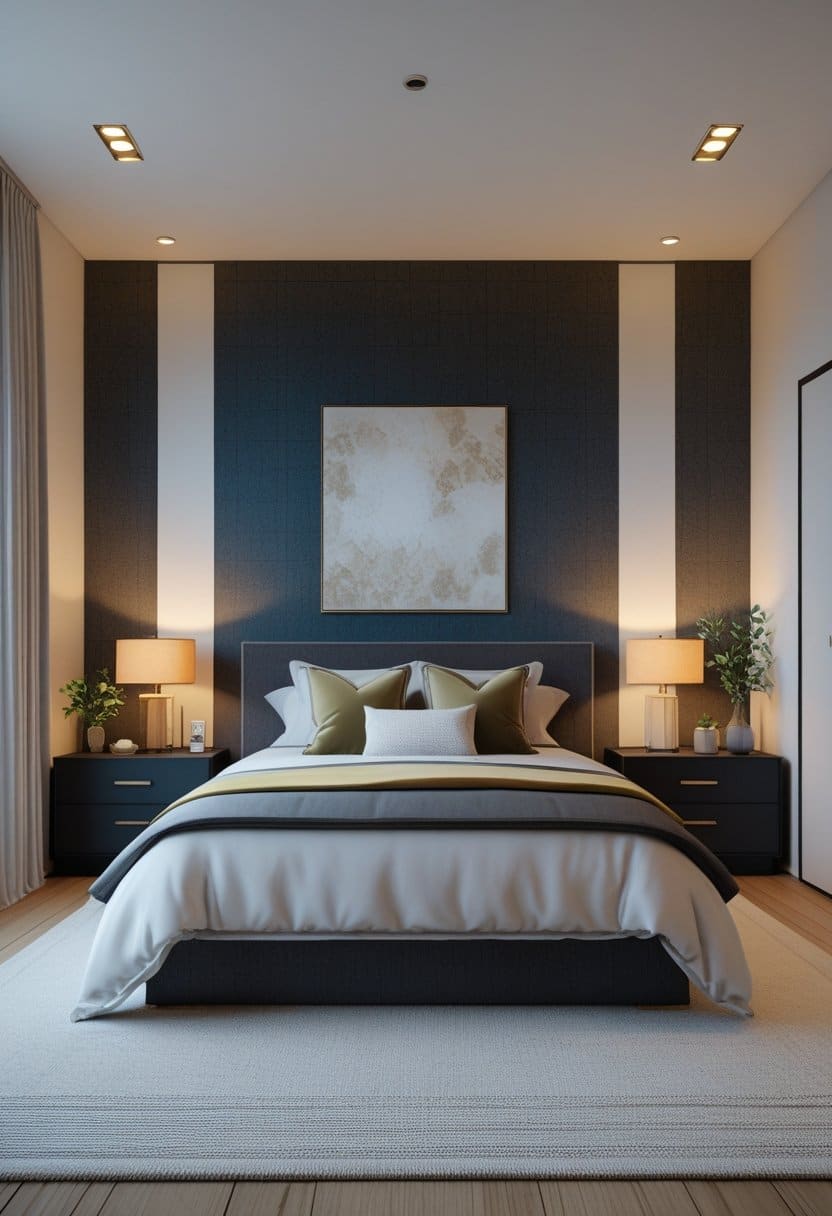
Creating a focal point in your layout can elevate the entire room’s aesthetic. Position your bed against a statement wall—whether it’s painted in a bold color, covered with textured wallpaper, or features a decorative panel. This draws attention immediately when you enter the room. The rest of the furniture can be kept minimal to maintain visual balance and prevent clutter.
5. Window-Facing Bed for Natural Light
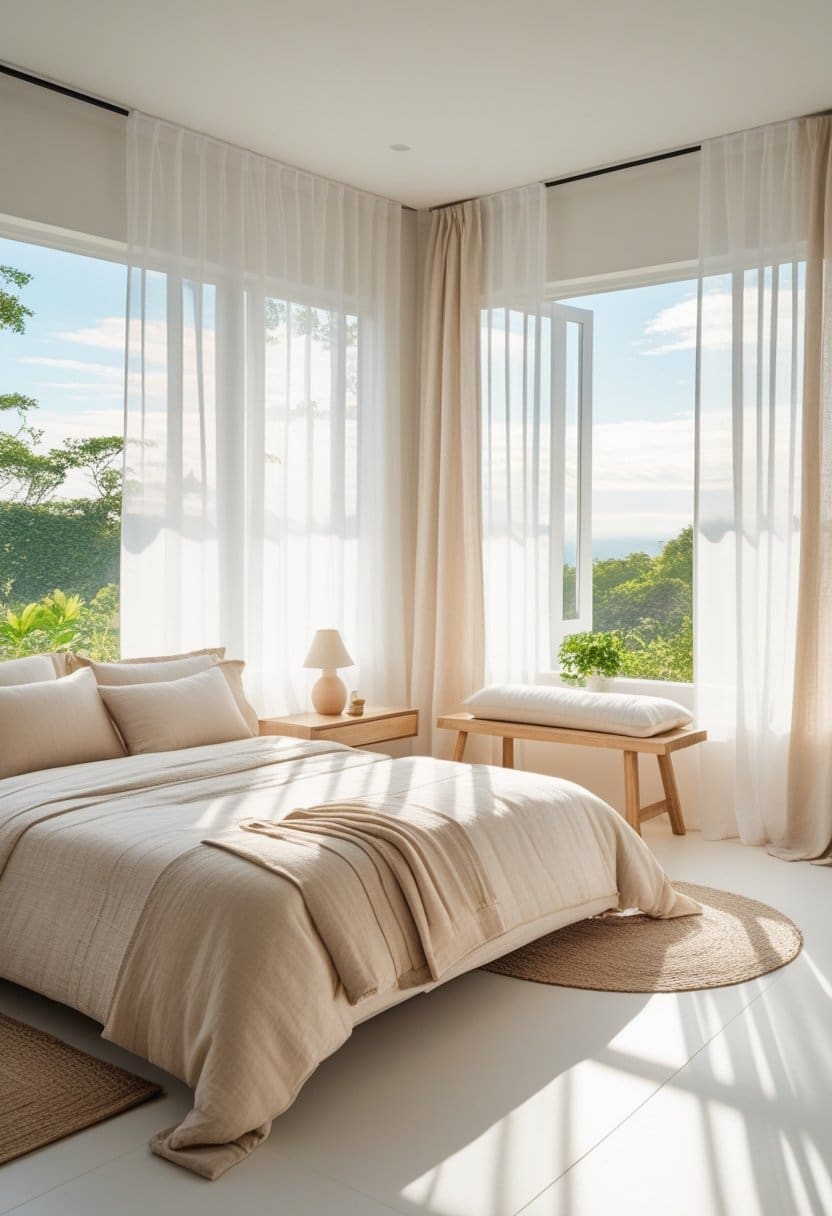
Placing your bed opposite or adjacent to a window allows you to enjoy natural light throughout the day. Waking up to sunshine can be energizing, and at night, you can enjoy the serene view of the sky or city lights. However, if direct sunlight is too harsh, use light-filtering curtains or blinds to maintain comfort while keeping the bright atmosphere.
6. Parallel Furniture Alignment
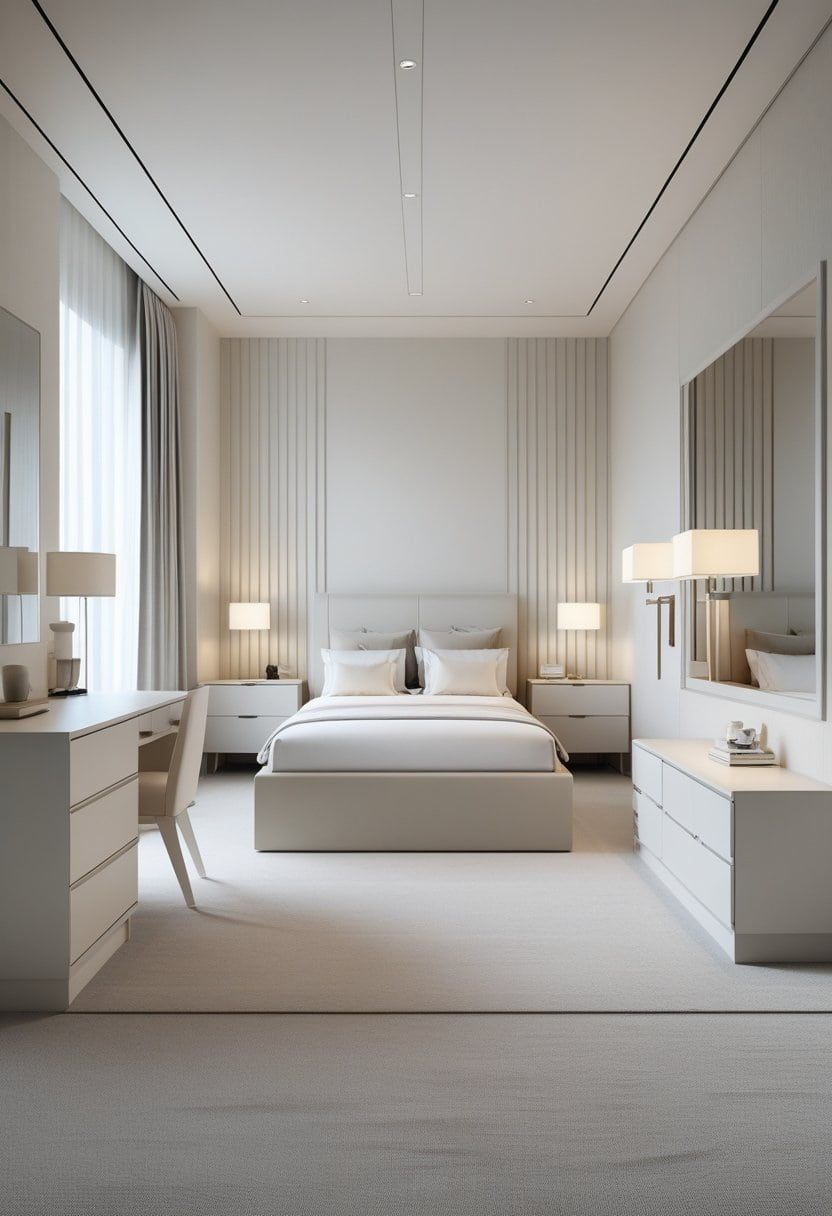
In this layout, all furniture pieces—like the bed, dresser, and desk—are arranged parallel to each other. This creates a sleek, orderly look that makes the room feel more spacious. The straight lines promote calmness and symmetry, ideal for minimalist or contemporary interiors. Keeping pathways clear between each furniture line enhances both flow and functionality.
7. Cozy Alcove Bed Layout
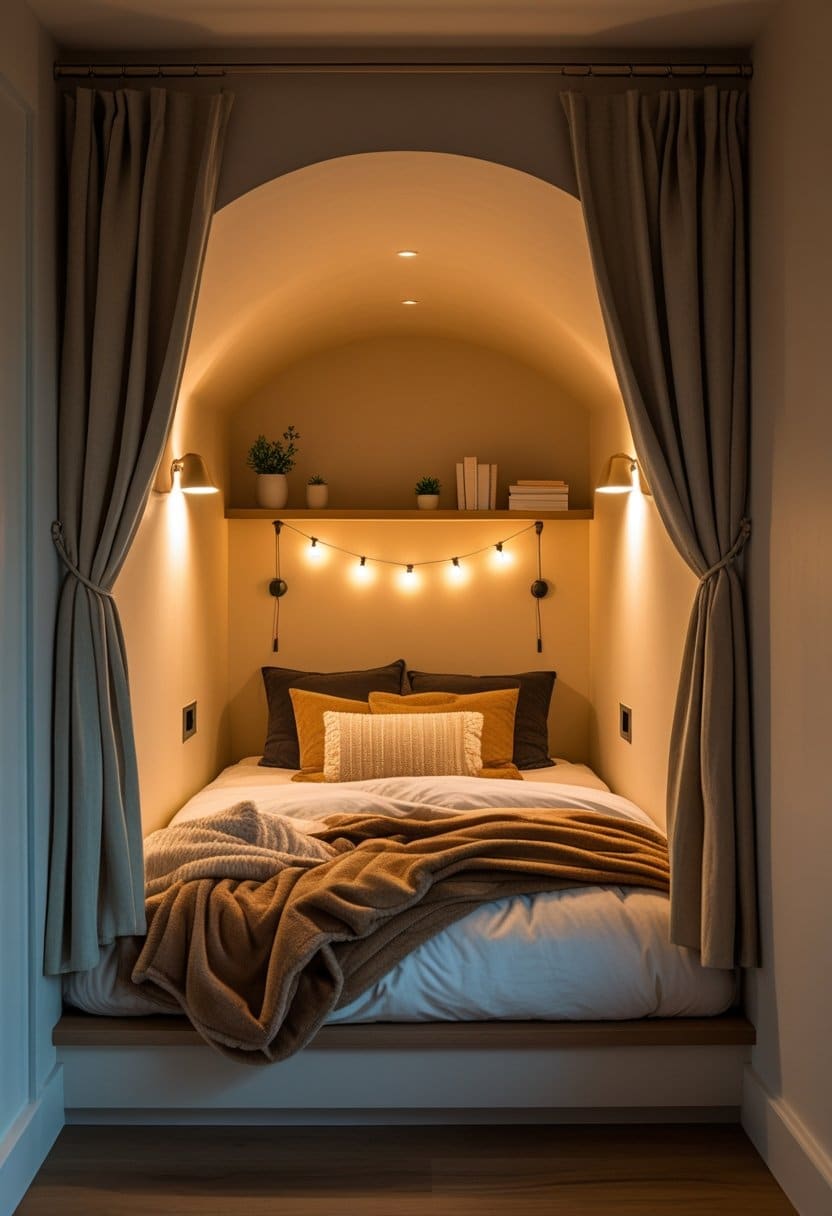
If your room has a niche or alcove, use it as a snug sleeping zone. Fitting your bed inside an alcove gives a cocoon-like feel and adds a sense of privacy. You can enhance the effect with soft lighting, curtains, or shelves built into the sides. This layout works beautifully in attic rooms, guest rooms, or bedrooms with irregular wall shapes.
8. Layout with a Reading Nook
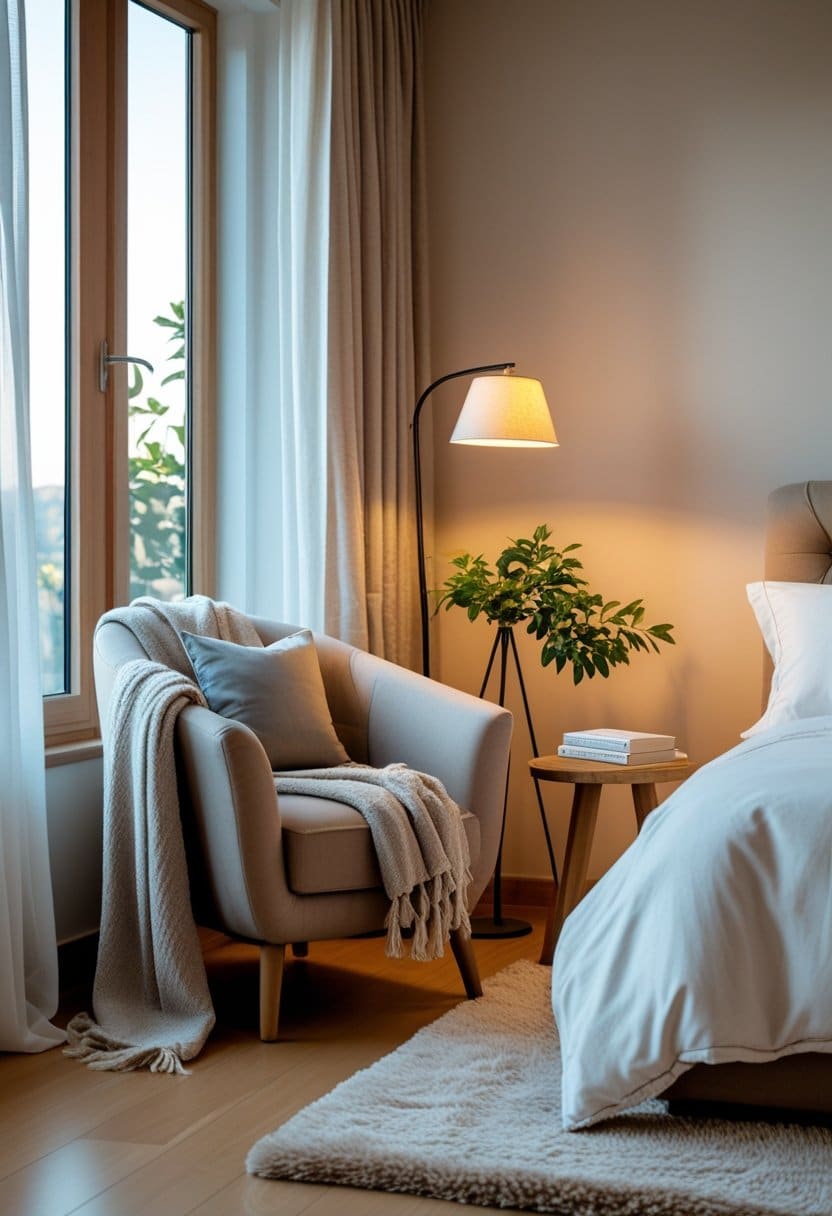
Adding a reading nook to your bedroom layout can turn it into a multifunctional retreat. Position a small armchair, side table, and floor lamp near a window or corner opposite the bed. This dedicated area encourages relaxation and reading before bedtime. The key is to ensure the furniture arrangement flows naturally without blocking pathways or windows.
9. Open Floor Concept for Modern Bedrooms

In modern design, an open floor layout can make your bedroom feel like part of a luxurious suite. You can connect the sleeping area seamlessly with a sitting zone, vanity corner, or even a small office. Use rugs or furniture placement to subtly define each area. The open layout encourages better airflow and gives your bedroom a more spacious appearance.
10. En Suite Layout with Functional Flow
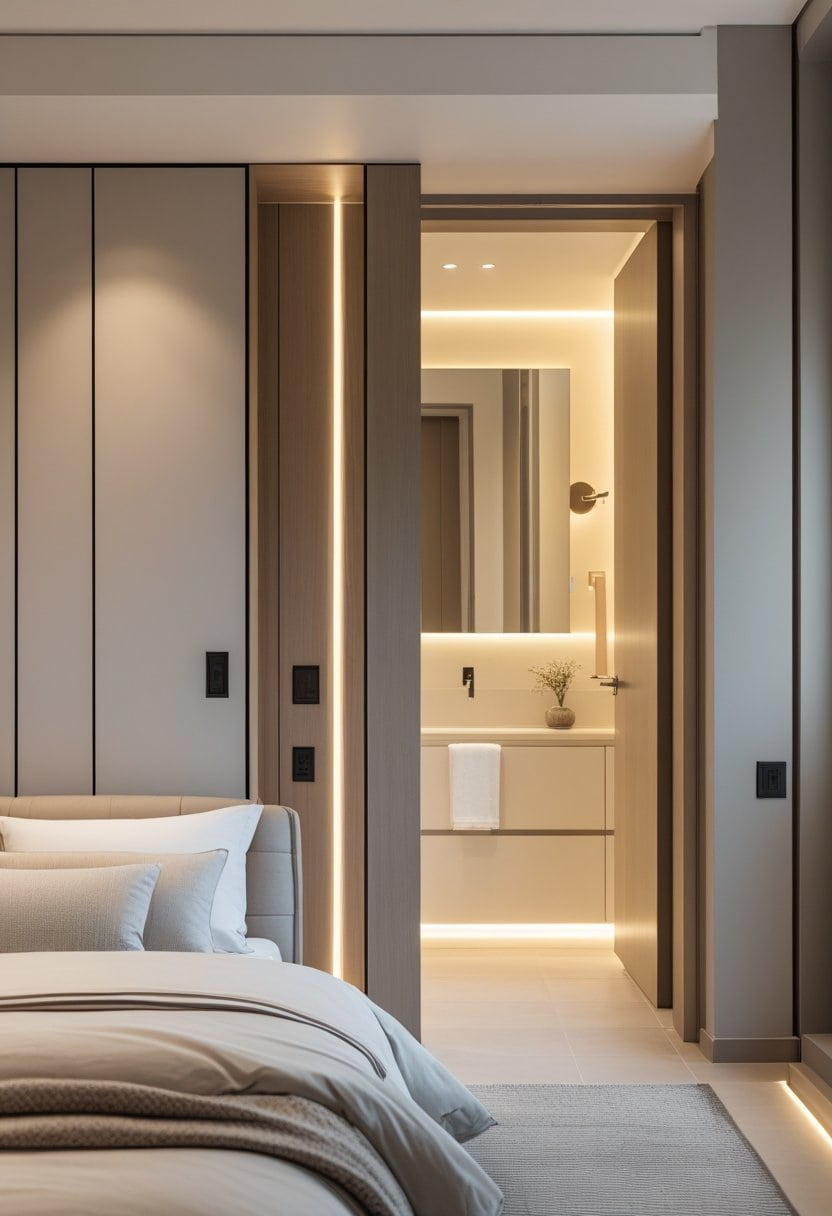
For bedrooms with an attached bathroom, creating a smooth transition between the two spaces is essential. Position the bed so that it doesn’t directly face the bathroom door, maintaining privacy and visual comfort. Place a wardrobe or partition between the bed and bathroom entrance to act as a divider. This thoughtful arrangement enhances flow and ensures a balanced aesthetic.
11. Bed Under the Window Layout
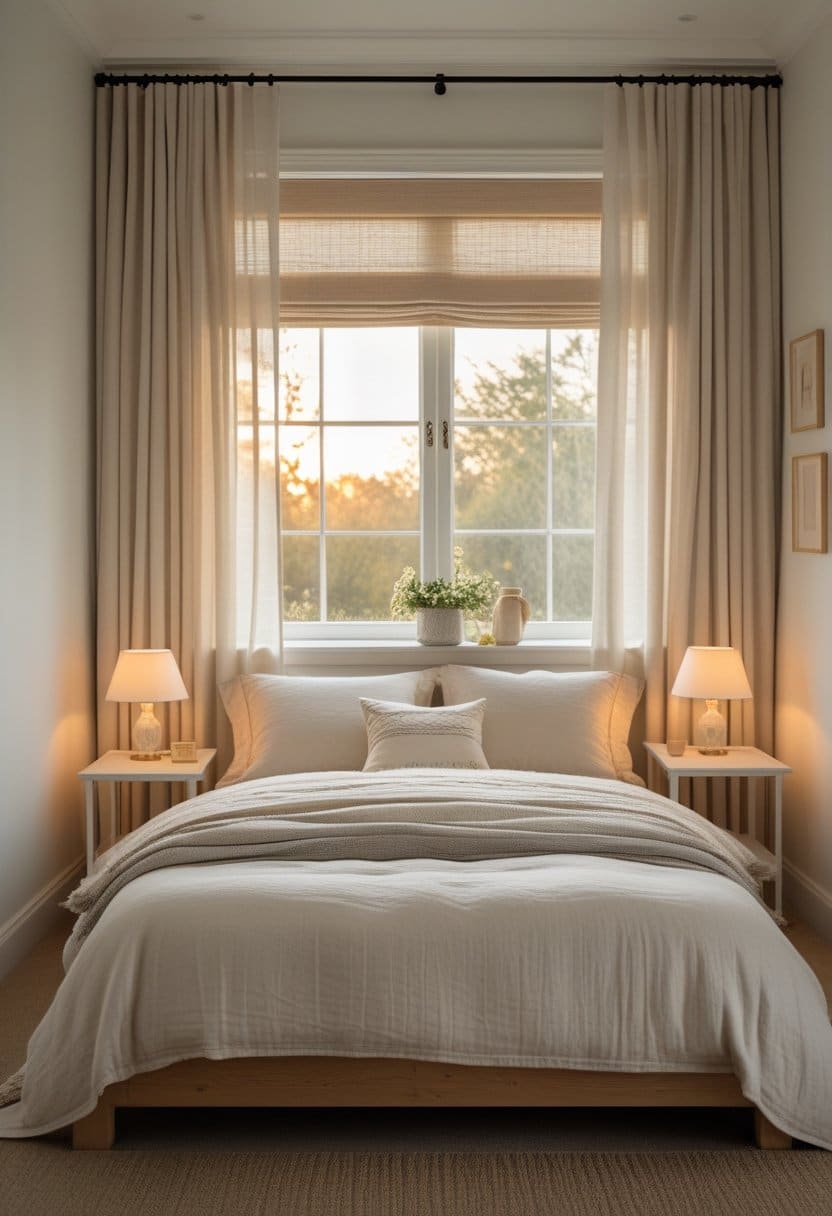
While some avoid placing the bed under a window, it can actually work beautifully if styled right. This setup allows for better use of wall space and can create a refreshing focal point. Ensure your headboard is sturdy and slightly lower than the window sill to maintain harmony. Add layered curtains or blinds to control light and privacy effortlessly.
12. Angled Bed Layout for Dynamic Style

Placing your bed at an angle can break the monotony of straight lines and add visual excitement. This unconventional layout is especially useful in oddly shaped rooms or spaces with architectural quirks. The angled position can also direct attention toward decorative elements like plants, artwork, or mirrors, giving the room a personalized touch.
13. Layout with an Accent Seating Area

If your room size allows, create a cozy seating area at the foot of your bed. Two upholstered chairs and a small table or a bench can transform your bedroom into a relaxing lounge. This arrangement is perfect for morning coffee or winding down with a book. To maintain balance, keep the seating area proportional to the bed size.
14. Functional Layout with Storage Solutions
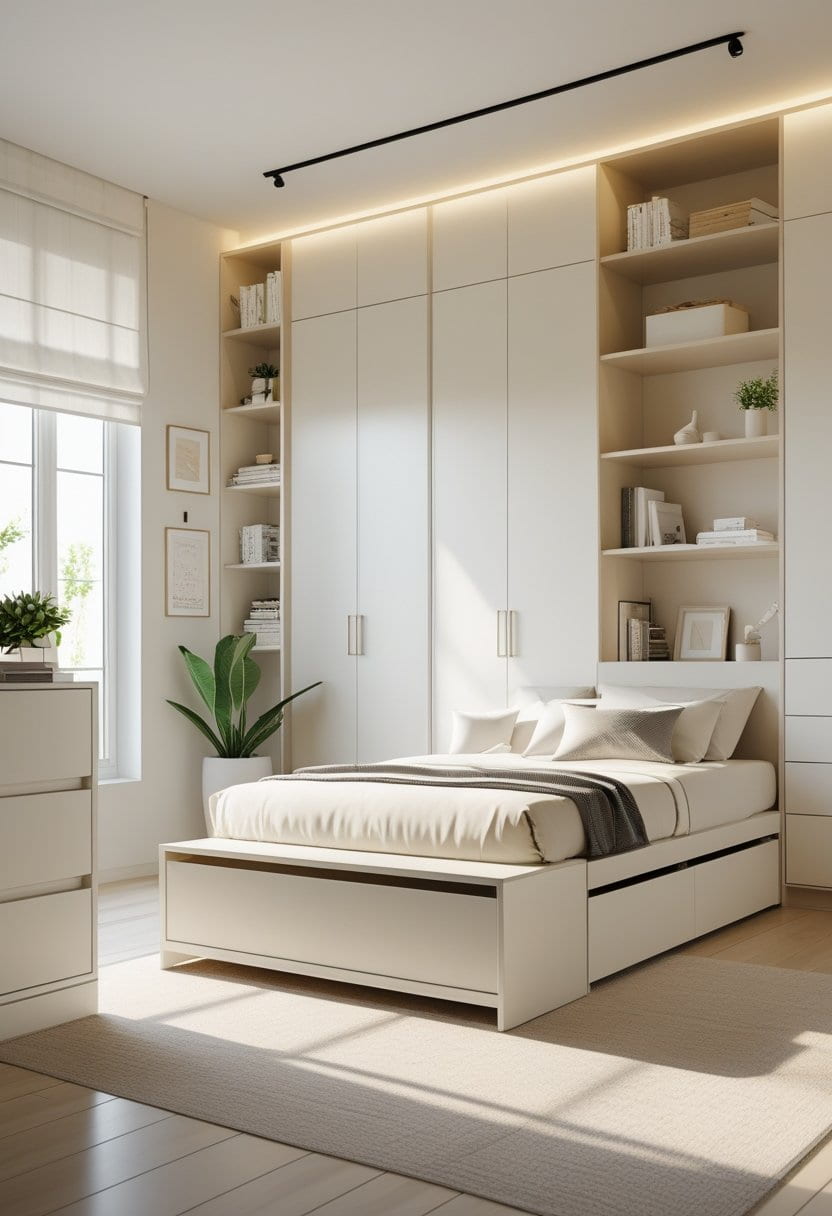
A well-planned layout must also consider smart storage. Opt for under-bed drawers, floating shelves, or storage benches to maximize functionality without sacrificing style. Arrange your furniture so storage areas remain easily accessible. This approach works especially well in smaller bedrooms where every inch counts and clutter needs to be minimized.
15. Shared Bedroom Layout for Two
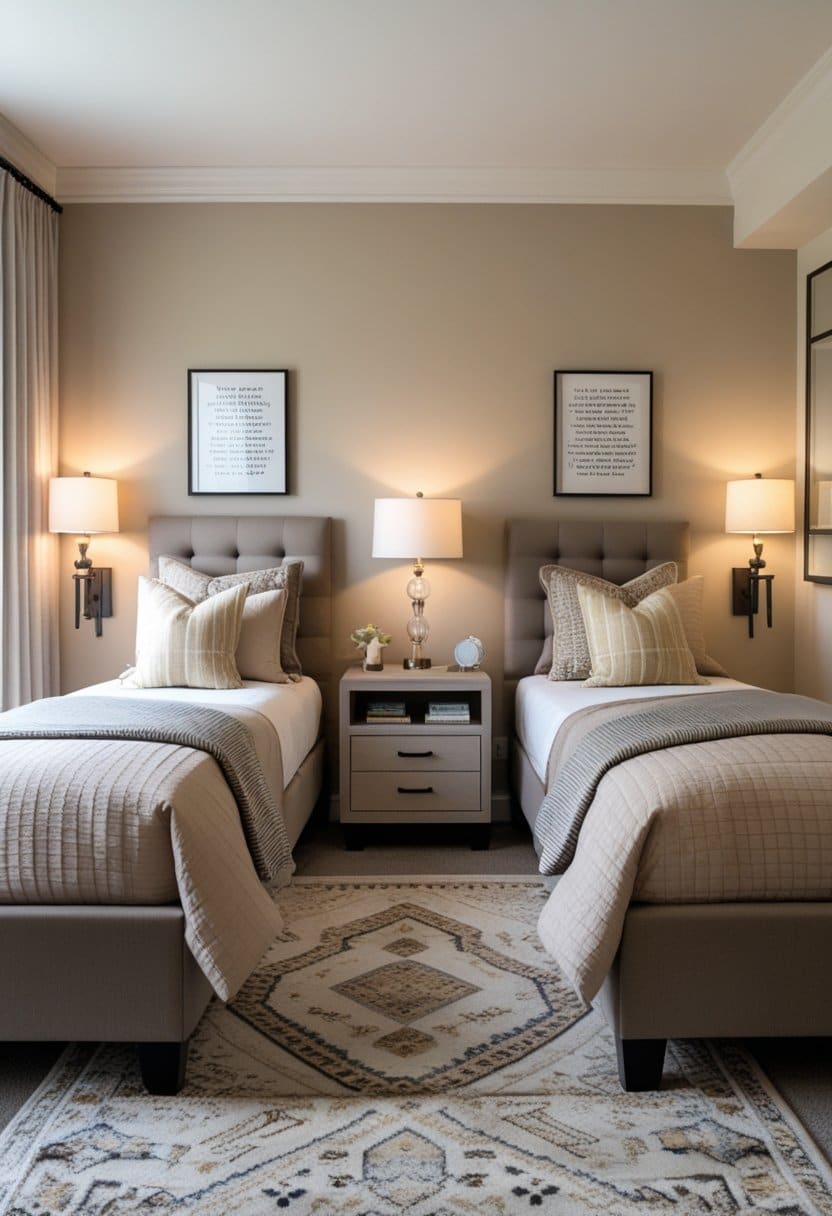
Designing a shared bedroom requires balance and personal space. Place two beds parallel with a nightstand in between to maintain symmetry and privacy. You can personalize each side with different bedding or artwork while keeping a cohesive color palette. This setup works perfectly for siblings, roommates, or guest accommodations.
16. Layout for Master Bedrooms
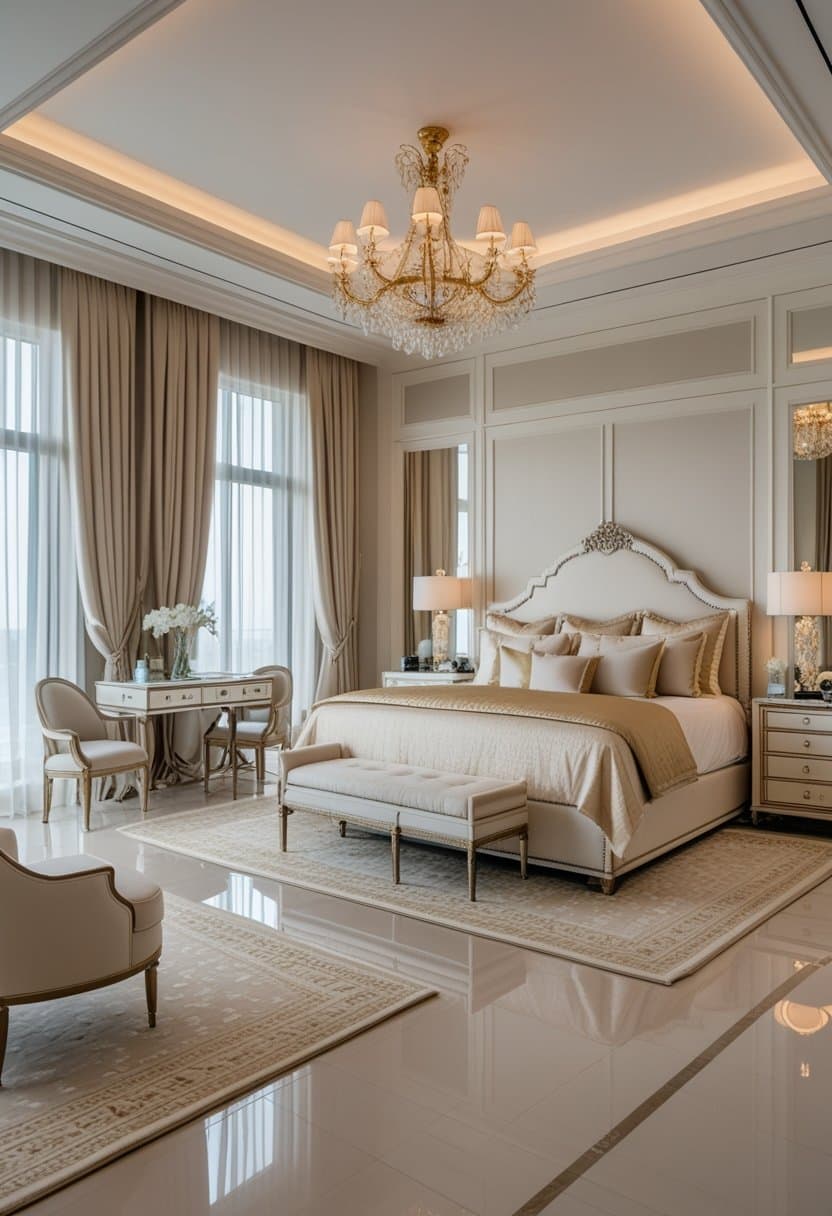
In larger master bedrooms, zoning is key. Position your bed in the center of the main wall, then create additional areas such as a lounge, vanity, or study corner. Keep large furniture like dressers or armoires along the walls to maintain open pathways. Add soft rugs and ambient lighting to tie the spaces together for a luxurious feel.
17. Minimalist Zen Layout
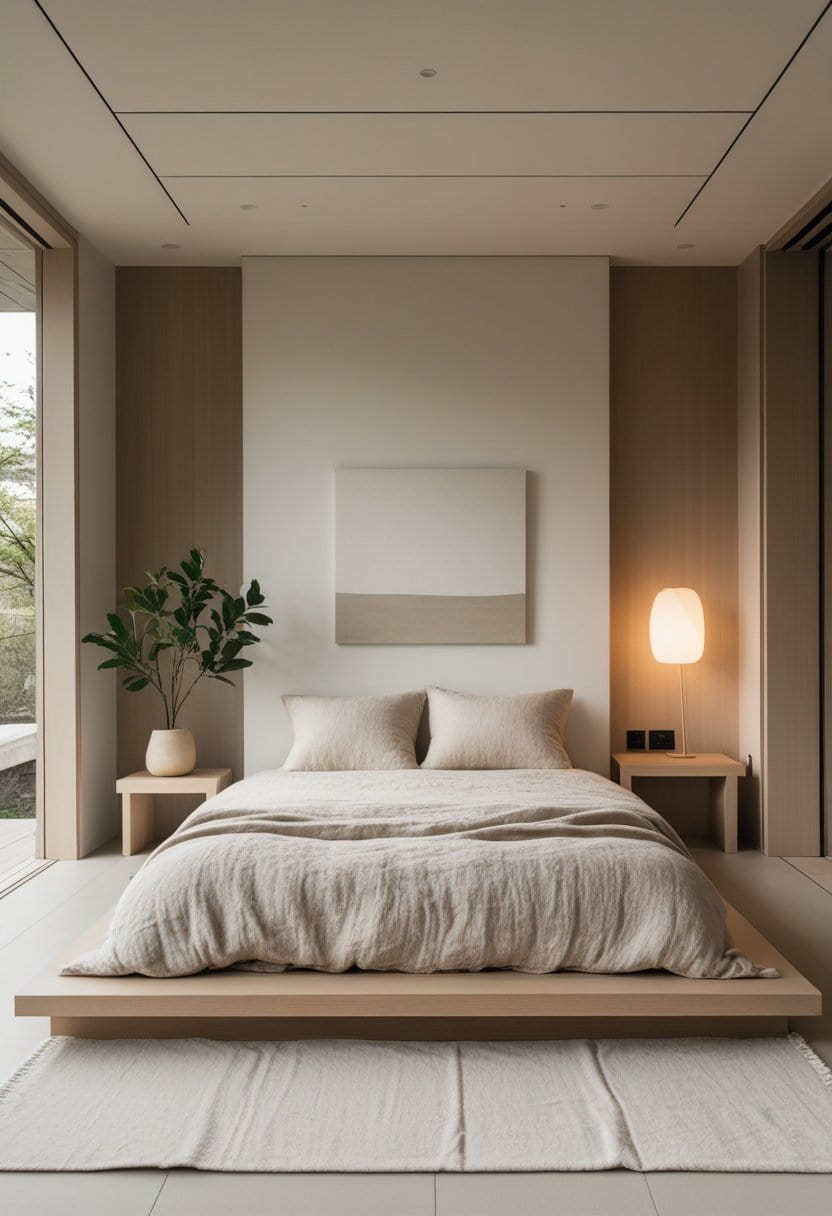
For those who value peace and simplicity, a minimalist layout can be transformative. Keep the bed low and central, use neutral tones, and minimize furniture to essentials only. Ensure open space on both sides of the bed to promote calm energy flow, inspired by Japanese and Scandinavian aesthetics. The simplicity of this design enhances relaxation and mental clarity.
Conclusion
Choosing the right bedroom layout can make a world of difference in how your space feels and functions. From cozy alcoves to open concepts, each arrangement offers its own charm and advantages. Think about your room’s dimensions, lighting, and lifestyle needs before deciding which layout works best for you.
By experimenting with these 17 bedroom layout ideas, you can transform your bedroom into a personalized sanctuary—one that balances style, comfort, and practicality effortlessly. The perfect layout isn’t about following strict rules; it’s about designing a space that feels uniquely yours every time you step inside.




More Stories
20 Best Red And White Christmas Decor Ideas for a Festive Holiday Home
17 Stunning Gold Christmas Decor Ideas to Make Your Home Sparkle
15 White Christmas Decor Ideas for a Magical Winter Home