

Introduction
Oil stains on a driveway can be an eyesore, turning a clean, welcoming entrance into a grimy mess. Whether it’s from a leaky car, a spilled oil can, or a maintenance mishap, those dark, greasy spots can feel like a permanent mark.
But don’t worry—removing oil stains from your driveway is entirely possible with the right approach, tools, and a bit of elbow grease.
In this comprehensive guide, I’ll walk you through proven methods to tackle oil stains, from quick fixes for fresh spills to heavy-duty solutions for stubborn, set-in marks. Let’s get your driveway looking pristine again!
Why Oil Stains Are a Problem?
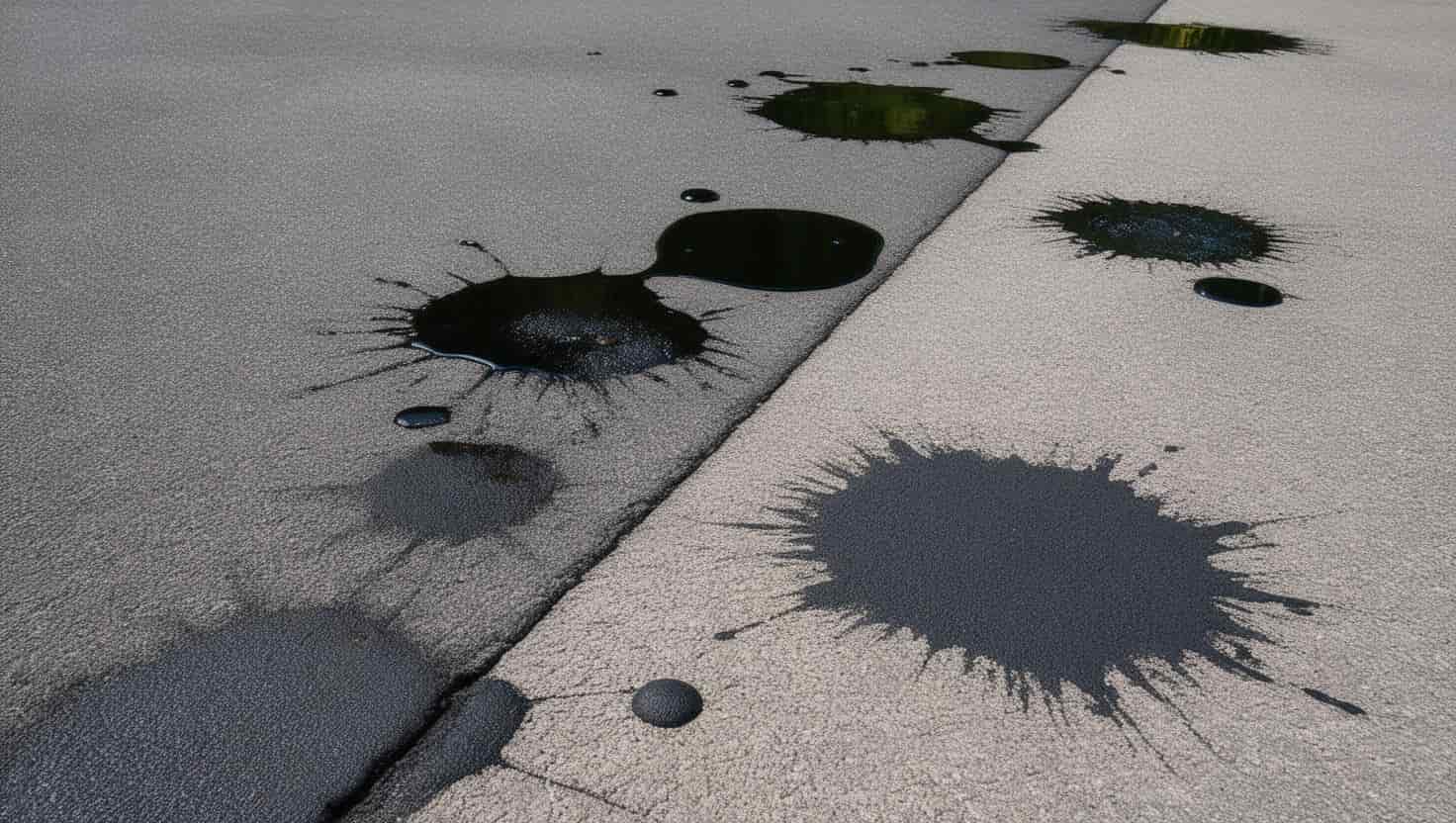
Oil stains aren’t just a cosmetic issue; they can also damage your driveway over time. Oil can seep into porous surfaces like concrete or asphalt, weakening the material and causing cracks or deterioration.
According to a 2023 study by the National Asphalt Pavement Association, prolonged exposure to oil can reduce the lifespan of an asphalt driveway by up to 20%. Plus, oil stains can be slippery, posing a safety hazard.
Acting quickly to remove oil stains from your driveway not only restores its appearance but also protects its longevity.
Understanding Your Driveway’s Surface
Before diving into how to remove oil stains from a driveway, it’s important to know what type of driveway you have, as different materials require specific care.
- Concrete: Porous and prone to absorbing oil, concrete driveways often need stronger cleaning solutions and scrubbing.
- Asphalt: Less porous than concrete but still vulnerable to oil damage, asphalt requires gentle cleaners to avoid degrading the surface.
- Brick or Paver: These surfaces have joints that can trap oil, making thorough cleaning essential to prevent stains from spreading.
- Gravel: Oil can sink into gravel, requiring removal of contaminated stones and replacement with fresh ones.
Knowing your driveway’s material will help you choose the most effective method to remove oil stains without causing damage.
Tools and Supplies You’ll Need
To successfully remove oil stains from your driveway, gather these common household items and cleaning products:
- Absorbent materials: Cat litter, sawdust, or baking soda to soak up fresh oil.
- Dish soap: Preferably one designed to cut grease, like Dawn.
- Baking soda or powdered laundry detergent: For scrubbing and lifting stains.
- Commercial degreaser: Look for biodegradable, driveway-safe options.
- Stiff-bristled brush: A nylon brush works well for scrubbing without scratching.
- Pressure washer: Optional but effective for rinsing and deep cleaning.
- Bucket, water, and hose: For mixing solutions and rinsing.
- Protective gear: Gloves and safety glasses to protect your skin and eyes.
Having these supplies on hand will make the process smoother and more efficient.
Step-by-Step Methods to Remove Oil Stains from Driveway
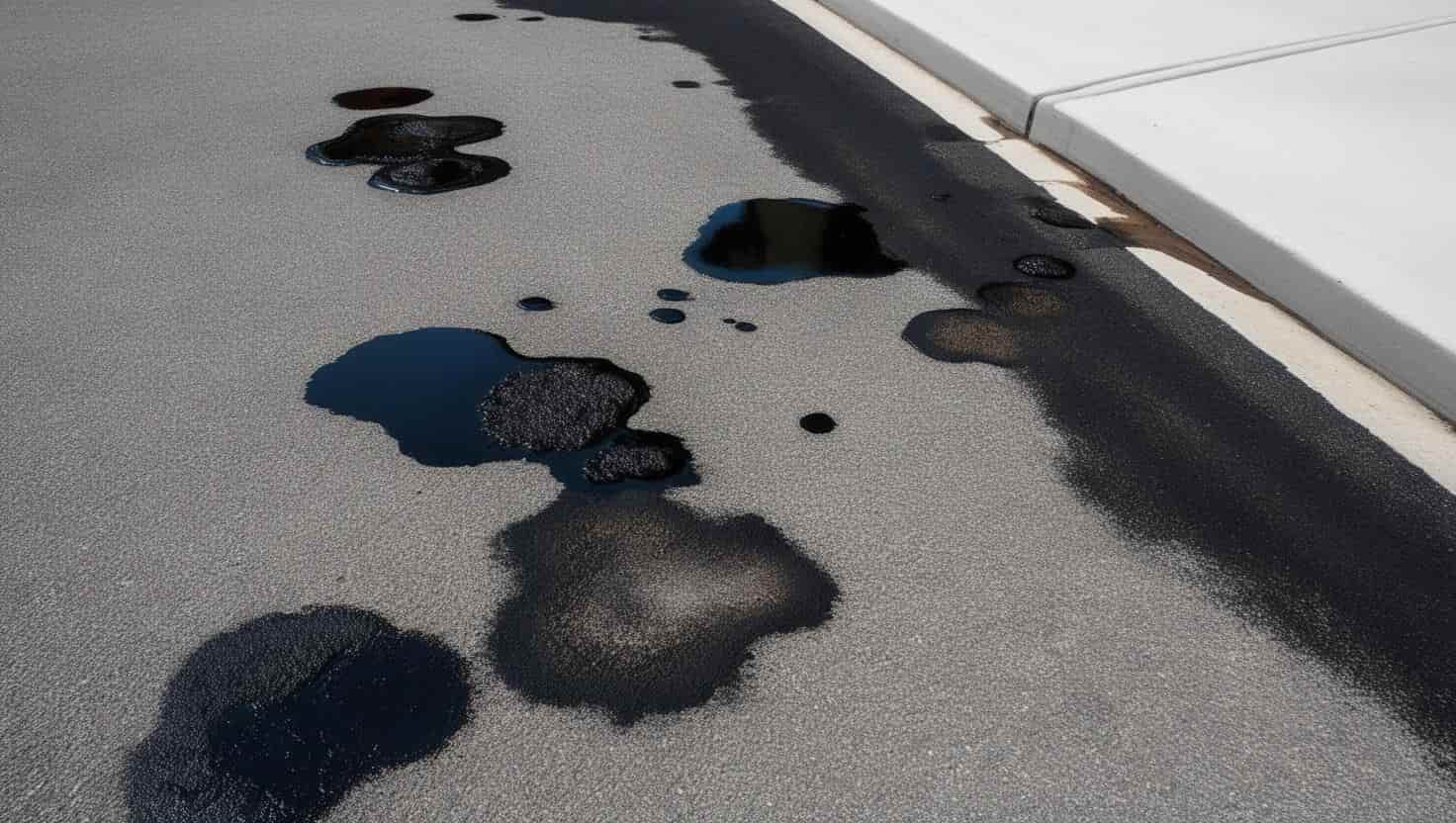
Here, I’ll outline several methods to remove oil stains from your driveway, starting with the simplest solutions for fresh spills and progressing to more intensive techniques for older, set-in stains. Always test any cleaning method on a small, inconspicuous area first to ensure it won’t damage your driveway.
Method 1: Absorbing Fresh Oil Spills
If you catch an oil spill right after it happens, you’re in luck—fresh stains are much easier to remove. Acting quickly is key to preventing the oil from penetrating deeper into the driveway.
- Blot the Spill: Use paper towels or an old rag to soak up as much oil as possible. Avoid wiping, as this can spread the oil.
- Apply an Absorbent: Sprinkle cat litter, sawdust, or baking soda over the stain to absorb the remaining oil. Let it sit for 12–24 hours to draw out as much oil as possible.
- Sweep Away: Sweep up the absorbent material and dispose of it properly. If the stain is still visible, move to a deeper cleaning method.
This method works best for fresh spills and can prevent the need for harsher chemicals later.
Method 2: Dish Soap and Hot Water
For light oil stains or fresh spills that have partially set, dish soap and hot water can work wonders. Dish soap is designed to break down grease, making it a great first step.
- Mix a Cleaning Solution: Combine a few tablespoons of grease-cutting dish soap (like Dawn) with hot water in a bucket.
- Apply to the Stain: Pour the solution over the oil stain and let it sit for 10–15 minutes to loosen the grease.
- Scrub the Area: Use a stiff-bristled brush to scrub the stain in a circular motion. Apply firm pressure to lift the oil.
- Rinse Thoroughly: Use a hose or pressure washer to rinse away the soap and loosened oil. Repeat if necessary.
This method is eco-friendly and uses items you likely already have at home. It’s ideal for concrete and asphalt driveways.
Method 3: Baking Soda or Laundry Detergent Paste
For more stubborn stains, a paste made from baking soda or powdered laundry detergent can help lift oil from the driveway’s surface.
- Create a Paste: Mix baking soda or powdered laundry detergent with a small amount of water to form a thick paste.
- Apply the Paste: Spread the paste over the oil stain, covering it completely. Let it sit for at least 6–8 hours, or overnight for best results.
- Scrub and Rinse: Scrub the paste into the stain with a stiff brush, then rinse with a hose or pressure washer. For deeper stains, you may need to repeat the process.
Baking soda is a mild abrasive that helps scrub away oil without damaging the driveway. Laundry detergent often contains enzymes that break down grease, making it a powerful alternative.
Method 4: Commercial Degreasers
For older, set-in oil stains, a commercial degreaser may be necessary. These products are specifically formulated to break down tough grease and oil.
- Choose a Degreaser: Select a biodegradable, driveway-safe degreaser, such as Oil Eater or Simple Green. Follow the product’s instructions carefully.
- Apply the Degreaser: Pour or spray the degreaser onto the stain and let it sit for the recommended time (usually 15–30 minutes).
- Scrub Vigorously: Use a stiff brush to work the degreaser into the stain. Focus on heavily stained areas.
- Rinse and Inspect: Rinse thoroughly with a hose or pressure washer. Check for remaining stains and repeat if needed.
Commercial degreasers are highly effective but should be used sparingly to avoid environmental harm. Always follow local regulations for disposing of runoff water.
Method 5: Pressure Washing for Deep Cleaning
A pressure washer can be a game-changer for removing oil stains from a driveway, especially when combined with other cleaning methods.
- Prep the Area: Clear the driveway of debris and apply a degreaser or soap solution to the stain.
- Set Up the Pressure Washer: Use a medium-pressure setting (around 2000–2500 PSI) to avoid damaging the driveway.
- Wash the Stain: Direct the pressure washer at the stain, moving in a steady, sweeping motion. Focus on the stained area but avoid lingering too long in one spot.
- Rinse and Dry: Rinse the entire area and let it dry to assess the results.
Pressure washing is particularly effective for concrete driveways but should be used cautiously on asphalt to prevent surface damage.
Tips for Preventing Oil Stains on Your Driveway
Once you’ve successfully removed oil stains from your driveway, you’ll want to keep it looking clean. Here are some practical tips to prevent future stains:
- Fix Leaks Promptly: Regularly check your vehicles for oil leaks and repair them immediately to avoid spills.
- Use a Drip Pan: Place a drip pan under your car if it’s prone to leaking.
- Seal Your Driveway: Apply a sealant to concrete or asphalt driveways every 1–3 years to create a protective barrier against oil penetration. A 2024 report by the Concrete Network suggests sealed driveways are 50% less likely to develop deep oil stains.
- Clean Spills Immediately: The sooner you address an oil spill, the easier it is to remove.
- Park Strategically: If possible, park on the street or in a garage to minimize oil exposure on your driveway.
These preventive measures can save you time and effort in the long run.
Common Mistakes to Avoid
When learning how to remove oil stains from a driveway, it’s easy to make mistakes that can worsen the problem or damage your driveway. Here’s what to watch out for:
- Using Harsh Chemicals: Avoid bleach or acidic cleaners, as they can erode asphalt or discolor concrete.
- Scrubbing Too Hard: Excessive force can damage the driveway’s surface, especially on asphalt.
- Ignoring the Stain: Leaving oil stains untreated allows them to set deeper, making removal harder.
- Skipping a Test Patch: Always test cleaning solutions on a small area to ensure they won’t harm your driveway.
Being mindful of these pitfalls will help you achieve better results without causing unintended damage.
When to Call a Professional
While most oil stains can be removed with DIY methods, some situations call for professional help. Consider hiring a driveway cleaning service if:
- The stain covers a large area or has been set for years.
- You’ve tried multiple methods without success.
- Your driveway shows signs of structural damage, such as cracks or crumbling.
- You’re concerned about environmental regulations or runoff disposal.
Professional cleaners have specialized equipment and eco-friendly solutions to tackle even the toughest stains safely.
Eco-Friendly Considerations
Removing oil stains from your driveway doesn’t have to harm the environment. Here are some eco-conscious tips:
- Choose Biodegradable Products: Opt for degreasers labeled as environmentally friendly.
- Contain Runoff: Use absorbent mats or barriers to prevent cleaning solutions from entering storm drains.
- Dispose Properly: Follow local guidelines for disposing of oil-soaked materials and cleaning runoff.
- Use Natural Alternatives: Baking soda, vinegar, and dish soap are effective and less harmful to the environment.
By prioritizing eco-friendly methods, you can clean your driveway while minimizing your environmental footprint.
Real-Life Example: A Success Story
Last summer, my neighbor Sarah noticed a large oil stain on her concrete driveway after her car’s oil filter sprung a leak. Initially, she panicked, thinking the stain was permanent.
Following the dish soap and hot water method, she scrubbed the stain with a stiff brush and was amazed to see it lighten significantly. For the remaining faint mark, she applied a baking soda paste overnight and rinsed it with a garden hose.
The stain was completely gone, and her driveway looked as good as new. Sarah’s story shows that with the right approach, even daunting oil stains can be removed effectively.
Maintaining a Clean Driveway Year-Round
To keep your driveway free of oil stains and other blemishes, incorporate these maintenance habits:
- Regular Sweeping: Clear leaves, dirt, and debris to prevent buildup that can trap oil.
- Periodic Cleaning: Wash your driveway with a hose and mild detergent every few months.
- Inspect for Damage: Check for cracks or wear that could make your driveway more susceptible to stains.
- Reapply Sealant: Reseal your driveway as recommended to maintain its protective layer.
Consistent upkeep will make it easier to address any future oil stains and keep your driveway looking its best.
Conclusion
Removing oil stains from your driveway may seem like a daunting task, but with the right tools and techniques, you can restore its clean, polished look.
Whether you’re dealing with a fresh spill or a stubborn, set-in stain, methods like absorbing with cat litter, scrubbing with dish soap, or using a commercial degreaser can make all the difference.
By acting quickly, choosing the right cleaning approach for your driveway’s material, and taking preventive measures, you can keep oil stains at bay and maintain a welcoming entrance to your home. So grab your supplies, roll up your sleeves, and get ready to make those oil stains a thing of the past!




More Stories
How To Style A Coffee Table For Every Home
How to Decorate Your Home for Christmas Like a Pro
15 Easy Steps to Build a DIY Pergola: A Complete Homeowner’s Guide